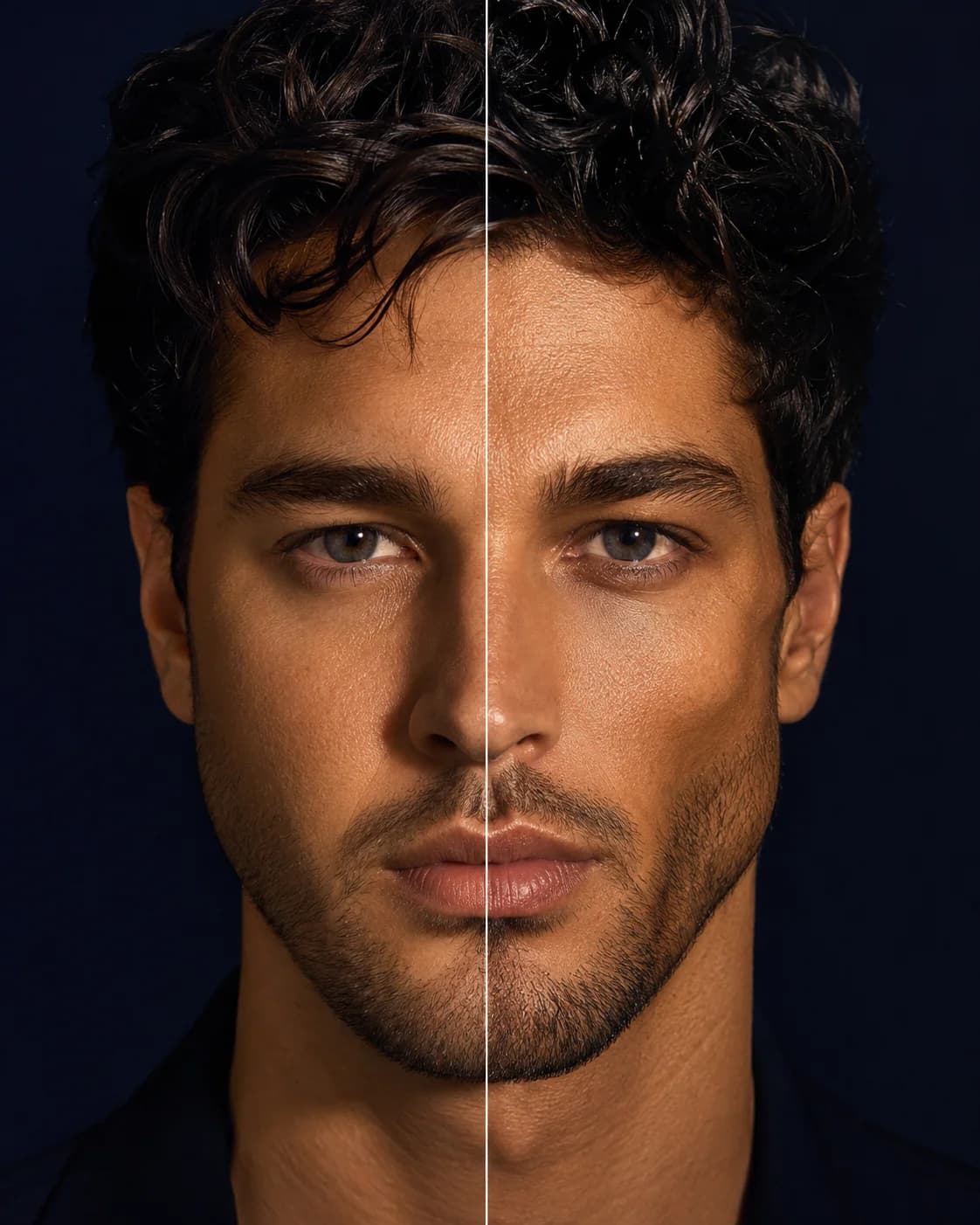
Buccal Fat: What It Is, Why It Matters, and the Removal Debate
Buccal fat pads are the round pockets of fat that sit in the lower cheeks, between your cheekbones and jawline. For a few years, their removal became one of the most Googled cosmetic procedures on the planet. Then the conversation shifted. Plastic surgeons began warning about long-term consequences that were not visible in the first five years. Here is what the science actually says.
What Exactly Are Buccal Fat Pads?
Buccal fat pads are encapsulated deposits of adipose tissue located in the lower cheeks, sitting in a distinct anatomical compartment separate from the facial fat that changes with body weight. Unlike the fat in your cheeks that fluctuates with diet and fitness, buccal fat volume is largely fixed from adolescence onward and does not respond significantly to exercise or caloric restriction.
Their primary function is structural — providing cushioning between facial muscles and supporting chewing mechanics. They also give the lower face its characteristic roundness in youth. Most people have roughly equal buccal fat volumes on both sides, though slight asymmetry is normal.
Because buccal fat sits in a distinct compartment, surgical removal is technically straightforward. An incision inside the mouth, the fat is gently extracted, and no visible scar is left. This relative simplicity is part of what made the procedure so popular — recovery is fast and initial results are dramatic.
Why the Trend Exploded — and Why It Is Now Controversial
Buccal fat removal surged in popularity around 2022–2024, driven by celebrity speculation and the cultural obsession with hollow, angular facial structure associated with high cheekbones and the model face aesthetic. Search interest in the procedure increased by over 400% during that period.
Then, starting in late 2024, a notable counter-narrative began emerging. Surgeons who had been performing the procedure for decades began raising concerns: many patients who had buccal fat removed in their late twenties were returning in their late thirties looking gaunt, aged, and unhappy with the result.
The core problem is that buccal fat pads, which look like excess fullness in your twenties, become structural support in your forties. Faces naturally lose fat volume with age — the buccal fat pads shrink, the cheeks hollow, and the lower face loses structure. Removing them early accelerates that process, often by fifteen years or more.
Cheek Fullness, Age, and Attractiveness
Research on facial attractiveness and age perception consistently finds that moderate cheek fullness is a strong youth signal. Faces with fuller cheeks are rated as younger and, in women especially, as more feminine and nurturing. The association between hollow cheeks and fashion aesthetics is a cultural construct — the underlying biological preference for some cheek volume is cross-cultural.
Studies on facial aging found that midface volume loss — which includes buccal fat reduction — is one of the five primary structural drivers of looking older. Restoring midface volume is now the primary goal of many facial rejuvenation procedures. Voluntarily removing it in your twenties runs directly counter to what the aging literature recommends.
The key insight is timing. Young faces often have enough surrounding fat that buccal fat removal creates desirable definition. The same face at 45, after natural fat redistribution, can look dramatically sunken. The procedure trades short-term definition for long-term volume loss.
Advertisement
What Surgeons Now Recommend
The current consensus among experienced facial plastic surgeons has shifted significantly. Most now advise against buccal fat removal for patients under 35, particularly those with already-slim or angular faces. The risk of over-correction — removing more than the face can sustain long-term — is highest in patients who already have strong facial definition.
Surgeons who do perform the procedure now typically take a more conservative approach, removing a smaller amount and counseling patients about the long-term trajectory. Some have moved to a hybrid: instead of removing fat, they reposition it slightly to create the appearance of higher cheekbones without permanent volume reduction.
For patients who want a slimmer mid-face without surgery, alternatives like facial exercises, targeted weight loss, and contour makeup produce temporary results without the long-term volume trade-off.
If you are under 35 with an already-angular face, most plastic surgeons now advise against buccal fat removal — the same face a decade later often looks gaunt.
Natural Buccal Fat Changes Over a Lifetime
Buccal fat is not completely static. Studies show a gradual, modest reduction in buccal fat volume through the twenties as the face transitions from adolescent to adult proportions. By the mid-thirties, most people's natural buccal fat volume is close to its lifetime average. After 40, the fat begins a more pronounced decline as part of the broader pattern of facial fat loss.
This natural trajectory means that many people who felt they had too much buccal fat in their early twenties find that their face naturally becomes more defined by their early thirties without any intervention. Waiting is not only safer — it is often the more accurate decision.
Body weight also plays a role: buccal fat responds somewhat to overall facial fat changes, meaning that losing body fat produces modest cheek slimming. For people whose goal is a slimmer face, body composition changes are the lower-risk first step.
How Buccal Fat Affects Your Face Score
Buccal fat volume affects primarily the facial thirds and facial symmetry metrics in AI face analysis. Faces with prominent buccal fat pads sometimes show lower facial thirds scores because the lower face appears relatively full compared to the mid-face.
However, this is highly dependent on overall face shape and proportions. Many people with full cheeks score well in symmetry — because buccal fat pads are naturally bilateral — and the fullness may not negatively affect their overall score at all. Before making any cosmetic decision based on a face score, it is worth understanding which specific metrics are driving the number.
Frequently Asked Questions
What is buccal fat?
Buccal fat pads are encapsulated deposits of adipose tissue in the lower cheeks, sitting between the cheekbones and jawline. Unlike regular facial fat that changes with body weight, buccal fat is in its own compartment and largely unaffected by diet or exercise. They give the cheeks their characteristic fullness and serve a cushioning function between facial muscles.
Does buccal fat removal make you look better?
Short-term, buccal fat removal typically creates a slimmer, more angular mid-face appearance. Long-term, many patients experience a gaunt or hollow appearance by the late thirties or forties because faces naturally lose fat volume with age. Most plastic surgeons now advise against the procedure for patients under 35.
Can you reduce buccal fat naturally?
Buccal fat pads are relatively resistant to diet and exercise because they sit in a distinct anatomical compartment. Reducing overall body fat percentage produces modest cheek slimming, but true buccal fat reduction requires surgical removal. Facial exercises and contour makeup can create the visual impression of a slimmer mid-face without any structural change.
Is buccal fat removal reversible?
Buccal fat removal is not reversible. Once the fat is removed, it cannot grow back. Fat grafting can partially restore volume, but injected fat behaves differently to native fat and results vary. This irreversibility is the primary reason experienced surgeons now advise caution.
At what age should you consider buccal fat removal?
Most experienced plastic surgeons now recommend waiting until at least 35, if at all. The buccal fat volume that appears excessive in your mid-twenties often naturally reduces to an appropriate level by the early thirties without intervention. The patients most satisfied with the procedure long-term are typically over 40.
Lena Whitmore
Science Writer · Facial Analysis & Appearance Psychology
Lena covers the science of smiles, facial aging, and AI-powered biometrics. She writes evidence-based guides grounded in peer-reviewed research, with a focus on making appearance science accessible and actionable. All tools on Smile Tracker run locally in your browser — your photo is never uploaded anywhere.
Put it to the test
See your results with AI
Upload a photo and get your AI facial proportion analysis, symmetry measurement, and feature breakdown — free, private, instant.
Analyse My Face Free →Advertisement
Sources