What Is Looksmaxxing? What Actually Works According to Science
Looksmaxxing — the practice of systematically improving your physical appearance using every available method — has exploded from niche internet forums into a mainstream conversation. Time magazine, Northeastern University researchers, and major health publishers have all covered it in 2025–2026. The term spans everything from scientifically grounded habits like sleep optimisation and skincare to fringe practices with no evidence base. This guide focuses on what the peer-reviewed evidence actually supports, what the community mythology gets wrong, and how to approach appearance improvement in a way that produces real results without pseudoscience or harm.
What Looksmaxxing Actually Means
Looksmaxxing emerged from online self-improvement communities, primarily male-oriented spaces focused on facial and physical appearance optimisation. The core concept — systematically improving every modifiable aspect of your appearance — is not inherently problematic. The approach is similar to how athletes optimise every variable of performance or how career-focused people optimise their professional presentation.
The community distinguishes between 'soft looksmaxxing' (lifestyle habits: sleep, diet, skincare, grooming, gym, posture) and 'hard looksmaxxing' (surgical and procedural interventions). This distinction is useful. The evidence base for soft looksmaxxing is strong and accessible. Hard looksmaxxing involves significantly higher costs, risks, and irreversibility.
The problems in looksmaxxing communities arise not from the core concept but from the extremism that some corners exhibit: fixation on facial features that cannot be changed, adoption of practices with no evidence base, and the psychological harm that comes from treating appearance as the primary determinant of life outcomes. This guide focuses on the evidence-backed subset.
What Actually Works: The Evidence-Backed Tier
Sleep (7–9 hours consistently): the highest return-on-investment appearance intervention available. Drives growth hormone output, collagen synthesis, periorbital clarity, and skin repair. Research shows two nights of sleep restriction produce measurable increases in perceived age. This is free, requires no products, and has compounding returns over months and years.
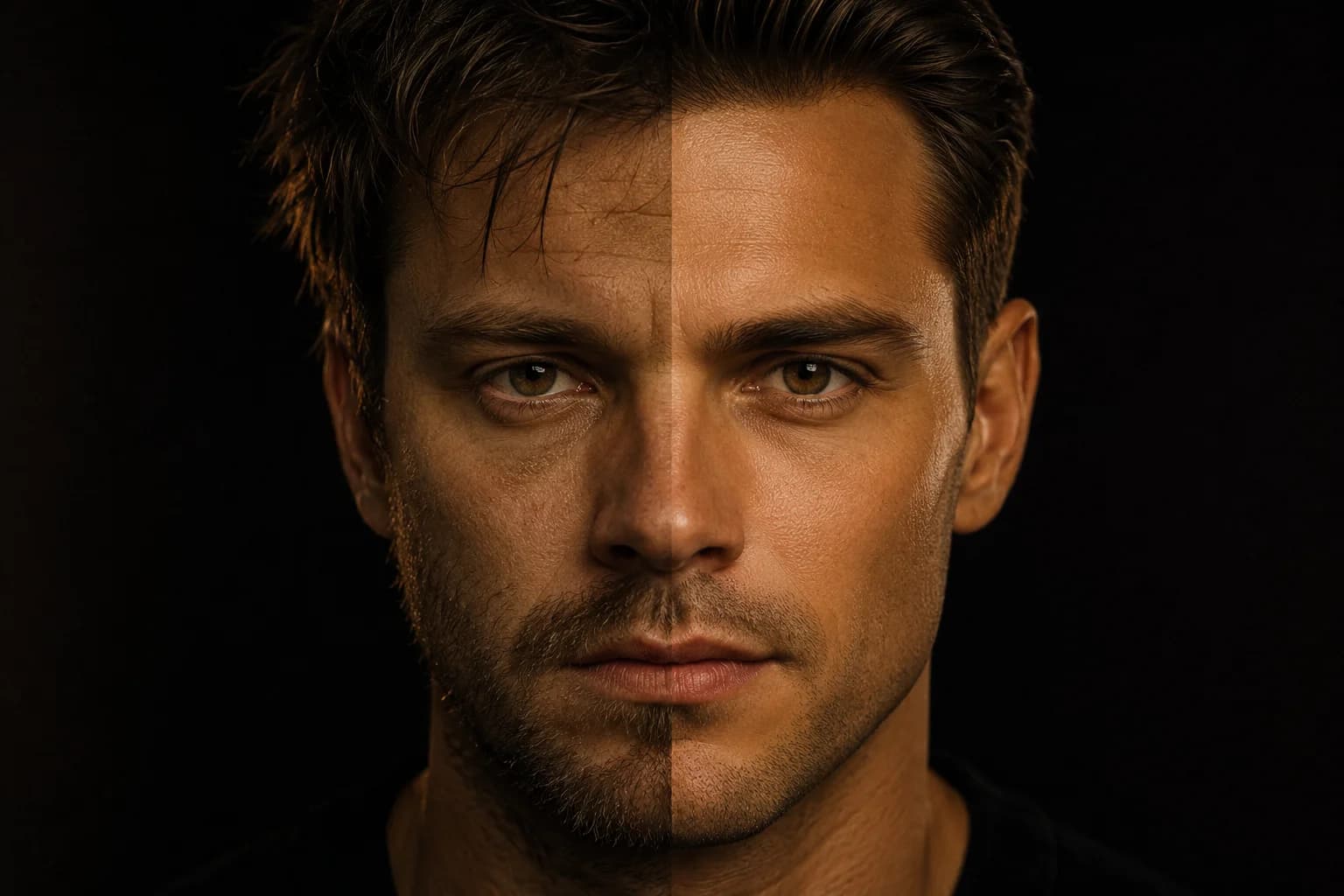
Body composition: reducing body fat percentage reduces facial fat, making bone structure more visible — cheekbones, jawline, and orbital structure all become more defined. For most people, this is the single most impactful structural change available without procedures. The face is often the last place weight accumulates and the first place it visibly reduces.
Skincare (cleanser, SPF, retinoid): UV protection prevents the collagen degradation that ages the face. Retinoids (prescription tretinoin or over-the-counter retinol) are the most evidence-backed topical ingredient for improving skin thickness and quality. A consistent three-step routine — gentle cleanser, SPF 30+ daily, retinoid at night — is the entire evidence-based skincare stack for most people.
The biggest looksmaxxing gains for most people come from the boring interventions: sleep, body composition, and consistent SPF. These produce compounding results over 12–24 months that no single procedure can replicate.
What Has Partial Evidence: The Conditional Tier
Mewing and tongue posture: during adolescence, when craniofacial growth is active, correct tongue posture may influence palate development and midface position. For adults, the evidence supports muscle tone improvements and better nasal breathing rather than structural bone change. Worth doing for the breathing and muscle benefits; unrealistic to expect dramatic facial restructuring.
Face yoga and facial exercises: a 2018 study found that 20 weeks of structured facial exercise produced visible rejuvenation in middle-aged women. The mechanism is muscle volume maintenance and improved circulation. Results are modest but real. A structured programme works; casual grimacing does not.
Gua sha and face massage: a 2025 randomised controlled trial found measurable but modest facial contour improvements from consistent gua sha practice. The mechanism is lymphatic drainage and temporary muscle relaxation. Worth doing as a maintenance habit; not a structural transformation tool.
What Does Not Work: The Myth Tier
Bone smashing: the practice of hitting the face to supposedly stimulate bone remodelling is not supported by any evidence and carries genuine injury risk. Wolff's Law (bone adapts to load) requires sustained, controlled loading — not acute trauma. This practice should be avoided completely.
Extreme water restriction: some communities recommend reducing water intake to reduce facial puffiness. Dehydration actually causes the body to retain fluid subcutaneously as a compensatory mechanism, worsening puffiness. Adequate hydration (2–3L daily) supports skin turgor and actually reduces fluid retention.
Most 'face sculpting' tools and creams: devices and topical products claiming to reshape bone or dramatically change facial structure have no evidence base. Temporary effects from massage and lymphatic drainage are real but do not produce the structural changes claimed in marketing. Save the budget for the evidence-backed tier.
The Psychology: When Looksmaxxing Becomes Harmful
The research on body dysmorphic disorder (BDD) is relevant here. BDD — an obsessive focus on perceived appearance flaws, often features that others do not notice or consider minor — affects approximately 1.7–2.4% of the population but is significantly more prevalent in online appearance communities. Signs that appearance improvement has shifted from healthy optimisation to BDD territory include: spending hours daily examining your appearance, seeking reassurance about specific features, avoiding social situations due to appearance concerns, and pursuing procedures without satisfaction.
Healthy looksmaxxing sets realistic goals based on what is actually modifiable, focuses primarily on the evidence-backed lifestyle tier, accepts that genetics sets a range rather than a single point, and does not tie self-worth to a number on an attractiveness scale. Unhealthy looksmaxxing does the opposite.
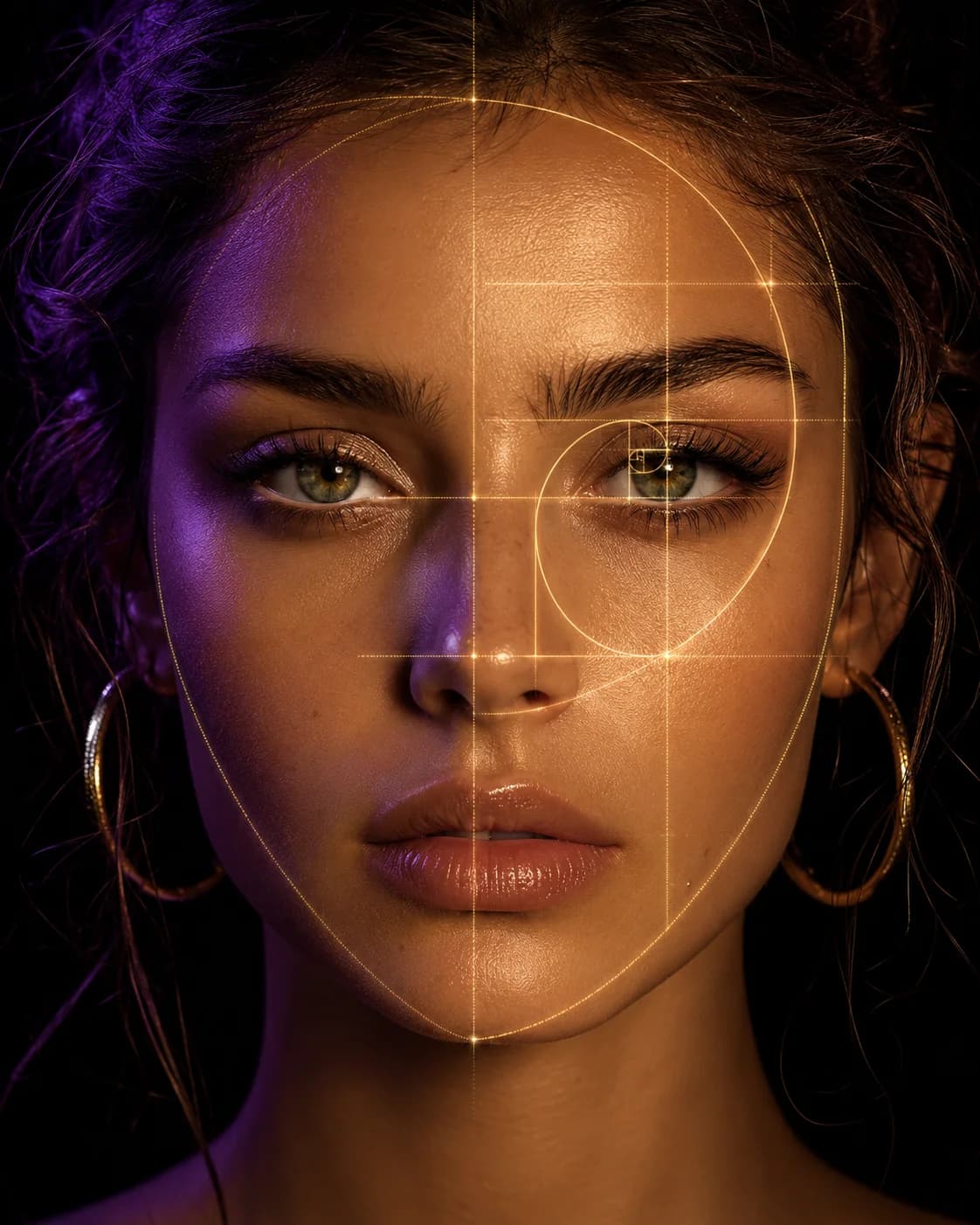
An AI face analysis tool, used appropriately, can provide objective information about your actual features rather than the distorted perception that anxiety produces. Seeing a data-driven score can be grounding — either confirming that a feature you are worried about is not actually a significant outlier, or identifying the actual structural strengths worth building on.
Frequently Asked Questions
What is looksmaxxing?
Looksmaxxing is the systematic optimisation of physical appearance using every available method. It originated in online self-improvement communities and spans evidence-backed lifestyle habits (sleep, body composition, skincare, posture) to fringe practices. The concept is not inherently problematic — it is similar to optimising any performance variable — but some community spaces have extremist elements that promote ineffective or harmful practices.
Does looksmaxxing actually work?
The evidence-backed components work well: sleep optimisation, body fat reduction, consistent skincare with SPF and retinoids, grooming, and fitness all produce measurable appearance improvements. The fringe practices (bone smashing, extreme restriction) have no evidence base and some carry harm risk. The realistic ceiling for soft looksmaxxing is significant — most people are well below their appearance potential based on lifestyle alone.
What is soft looksmaxxing?
Soft looksmaxxing refers to non-surgical, lifestyle-based appearance improvements: sleep optimisation, body composition changes, skincare routine, grooming improvements, posture correction, and smile training. It contrasts with hard looksmaxxing, which involves surgical and procedural interventions. The evidence base is strongest for soft looksmaxxing, and the risk profile is essentially zero compared to procedures.
Is looksmaxxing healthy?
Approached with realistic expectations and evidence-based methods, yes. The same way optimising fitness, nutrition, or career performance is healthy. It becomes unhealthy when it tips into body dysmorphic patterns — obsessive examination of features, inability to accept results, or pursuit of procedures without satisfaction. The lifestyle tier of looksmaxxing (sleep, skincare, body composition) is universally healthy independent of any appearance goals.
Smile Tracker Research Team
Our team combines expertise in facial neuroscience, AI-powered image analysis, and portrait photography to produce research-backed guides on smile science and appearance optimization. All analysis on Smile Tracker is powered by Google MediaPipe Face Landmarker — running locally in your browser, never uploaded.
Put it to the test
See your results with AI
Upload a photo and get your AI face attractiveness rating, symmetry analysis, and feature breakdown — free, private, instant.
Rate My Face Free →Sources