What Is Canthal Tilt and Does It Affect How Attractive Your Eyes Look?
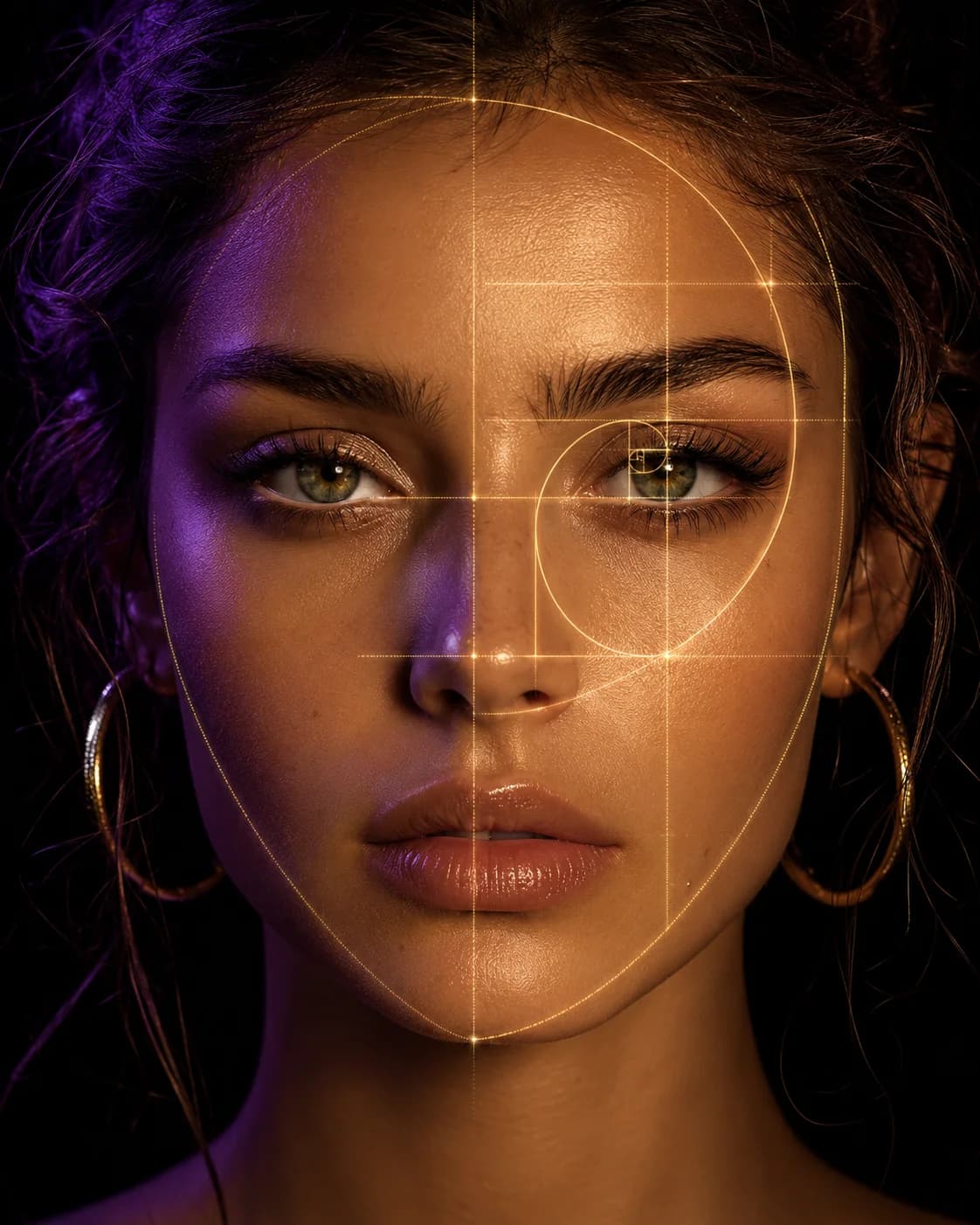
Canthal tilt is one of the most searched facial features in appearance science communities — and for good reason. It describes the angle formed between the inner and outer corners of the eye, and research consistently finds it is one of the first features observers notice when rating facial attractiveness. A positive tilt (outer corner higher than inner) reads as sharp, alert, and youthful. A negative tilt (outer corner lower than inner) reads as tired, drooping, or older. Understanding your own canthal tilt, what it signals, and what actually influences it separates fact from the significant amount of misinformation circulating on this topic.
What Canthal Tilt Actually Means
The medial canthus is the inner corner of the eye, where the upper and lower eyelids meet nearest the nose. The lateral canthus is the outer corner, where they meet at the temple side. Canthal tilt is the angle of the line connecting these two points — measured relative to a horizontal baseline drawn across both eyes.
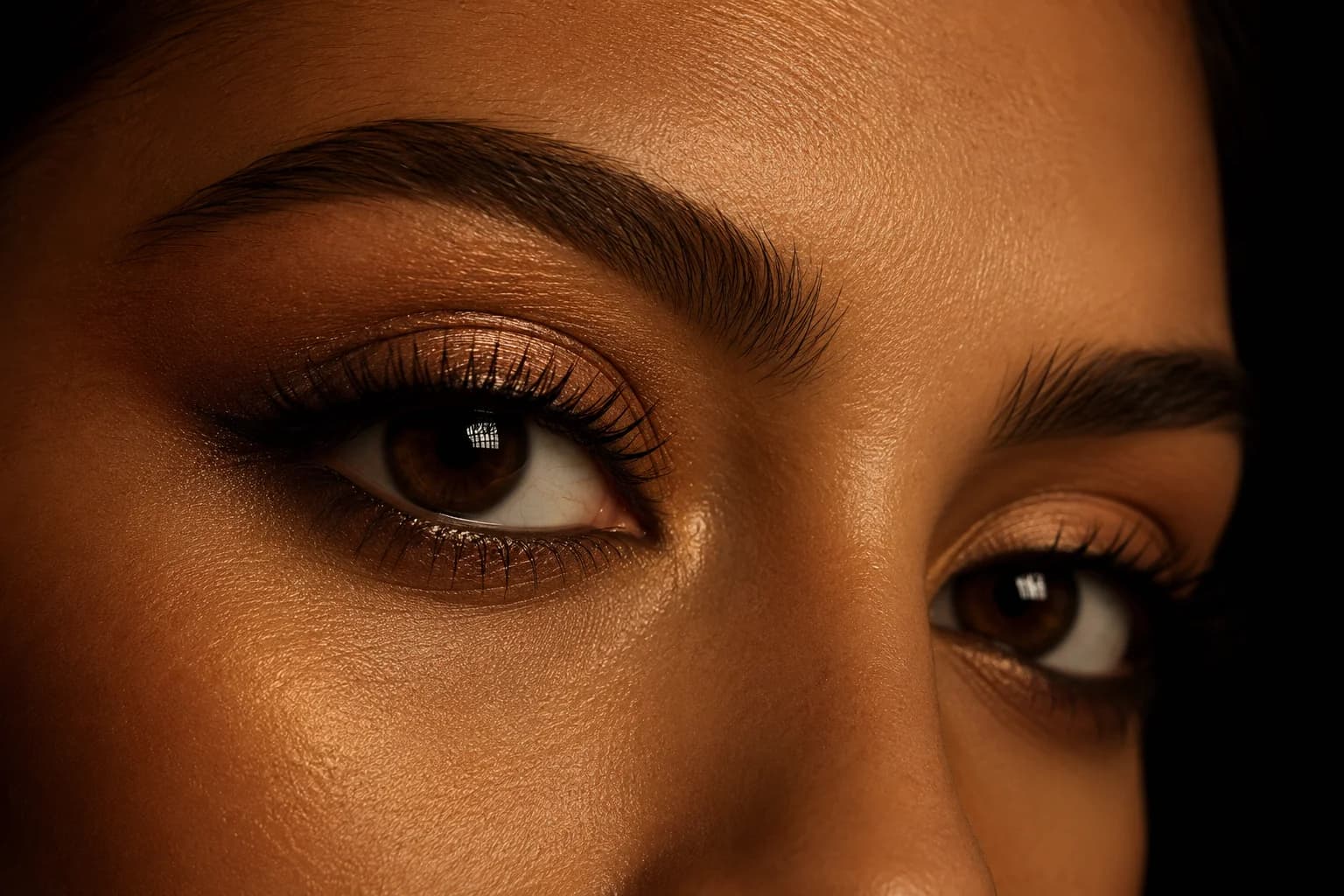
A positive canthal tilt means the lateral canthus sits higher than the medial canthus — the outer corner of the eye is elevated. The typical positive angle in attractive faces is 3–5 degrees above horizontal. A neutral tilt is roughly level (0 degrees). A negative canthal tilt means the outer corner sits lower than the inner corner, giving a downward-slanting appearance to the eye.
This measurement is distinct from eye shape (almond, round, hooded) and eye size. Two people can have identical eye shapes but opposite canthal tilts — and the tilt has an outsized effect on the overall impression the eye area creates.
Why Positive Canthal Tilt Is Associated With Attractiveness
Positive canthal tilt is consistently associated with higher attractiveness ratings in facial assessment research. The proposed mechanisms are both evolutionary and developmental. Developmentally, a positive tilt is the natural eye position in youth — the periorbital fat pad that supports the outer eye corner is full in young faces, holding the lateral canthus elevated. As this fat pad deflates with age, the outer corner descends, producing the negative tilt associated with older faces.
This means positive canthal tilt functions as a youthfulness signal — the same evolutionary logic that underlies other youth-associated features like full cheeks, bright eyes, and smooth skin. Observers rate it as attractive partly because it reliably correlates with developmental health and age.
In sexual dimorphism research, positive canthal tilt is also associated with femininity in female faces (linked to oestrogen influence during development) and with a sharp, intense quality in male faces. The feature reads differently by gender but positively in both directions.
“The lateral canthal position is one of the most reliable anatomical markers of periorbital aging, directly influencing attractiveness and apparent age perception.”
Positive vs Negative vs Neutral: What Each Looks Like
Positive canthal tilt (outer corner elevated): the eye appears almond-shaped, alert, and upswept. The gaze reads as intense and focused. Common in faces widely rated as attractive across cultures. Associated with youth due to periorbital fat volume maintaining the lateral canthus position.
Neutral canthal tilt (outer and inner corner level): the eye reads as balanced and open but without the distinctive sweep of a positive tilt. Most common in the general population. Neither particularly youth-signalling nor age-signalling.
Negative canthal tilt (outer corner lower): the eye appears to droop outward and downward. This can create a tired, sad, or older impression even in young people who naturally have this anatomy. It is the position that many age-related eye procedures aim to correct, which is why it features heavily in cosmetic medicine discussions.
In photos, a slightly elevated camera angle (camera above eye level looking slightly down) reduces the apparent severity of a negative canthal tilt by changing the viewing angle on the outer eye corner.
Advertisement
What Determines Your Canthal Tilt
Canthal tilt is primarily determined by three anatomical factors: the position of the lateral orbital rim (the outer edge of the eye socket bone), the volume and position of the periorbital fat pads, and the tension of the lateral canthal tendon — the fibrous structure that anchors the outer eye corner to the orbital rim.
Genetics determines the baseline position of each of these structures. Ethnicity plays a role: East Asian facial anatomy often features a different orbital rim geometry that influences the typical canthal angle. Age modifies it: periorbital fat deflation and lateral canthal tendon laxity both lower the outer corner over time, shifting a previously positive tilt toward neutral or negative.
Temporary factors can also influence apparent tilt: sleep deprivation causes periorbital puffiness that can temporarily alter how the outer corner sits; significant weight changes affect the periorbital fat pad volume; and swelling from allergies or illness can temporarily change the apparent tilt by altering the soft tissue around the eye.
How AI Facial Analysis Measures Canthal Tilt
AI face analysis tools that use landmark detection — such as Google MediaPipe's 478-landmark system — identify the precise positions of both the medial and lateral canthi on each eye. The angle between these points is directly calculable from the landmark coordinates, giving an objective measurement that is not affected by subjective perception.
This measurement feeds into the eye alignment component of face attractiveness scoring. Eyes with positive canthal tilt consistently score higher on the eye-region components of attractiveness assessments because the angular position matches the proportional ideals derived from large-scale attractiveness rating data.
Running the Rate My Face tool gives you a direct numerical reading on eye alignment and symmetry — both of which incorporate canthal tilt as a component. It also allows you to compare your eye-area score against the broader face score, showing whether the eye region is your strongest or weakest structural area.
Frequently Asked Questions
What is canthal tilt?
Canthal tilt is the angle formed between the inner corner (medial canthus) and the outer corner (lateral canthus) of the eye relative to a horizontal baseline. A positive tilt means the outer corner is higher than the inner corner. A negative tilt means the outer corner is lower. Neutral means they are level. Positive canthal tilt is consistently associated with youth and attractiveness in facial research.
Is positive canthal tilt attractive?
Yes — positive canthal tilt is consistently rated as more attractive than neutral or negative tilt in facial assessment research. The outer corner sitting higher than the inner corner creates an almond-shaped, alert, youthful eye appearance. It functions as a youthfulness signal because periorbital fat fullness in young faces naturally holds the outer corner elevated, and this volume deflates with age.
Can you change your canthal tilt without surgery?
Non-surgically, the changes are limited but real. Camera angle significantly affects apparent tilt — a slightly elevated camera position reduces the appearance of a negative tilt. Eye makeup can create the visual impression of a different angle. Addressing periorbital puffiness (through sleep, hydration, and allergy management) can improve the apparent position of the outer corner. Structural change to the canthal angle itself requires surgical procedures such as canthoplasty.
How do I know my canthal tilt?
Face a mirror directly and draw an imaginary line from your inner eye corner to your outer eye corner. If that line angles upward (outer corner higher), you have a positive tilt. If it is level, you have neutral tilt. If it angles downward (outer corner lower), you have a negative tilt. AI facial landmark tools can measure this angle precisely from a photograph.
Lena Whitmore
Science Writer · Facial Analysis & Appearance Psychology
Lena covers the science of smiles, facial aging, and AI-powered biometrics. She writes evidence-based guides grounded in peer-reviewed research, with a focus on making appearance science accessible and actionable. All tools on Smile Tracker run locally in your browser — your photo is never uploaded anywhere.
Put it to the test
See your results with AI
Upload a photo and get your AI facial proportion analysis, symmetry measurement, and feature breakdown — free, private, instant.
Analyse My Face Free →Advertisement
Sources