How to Glow Up: The Real Science Behind It
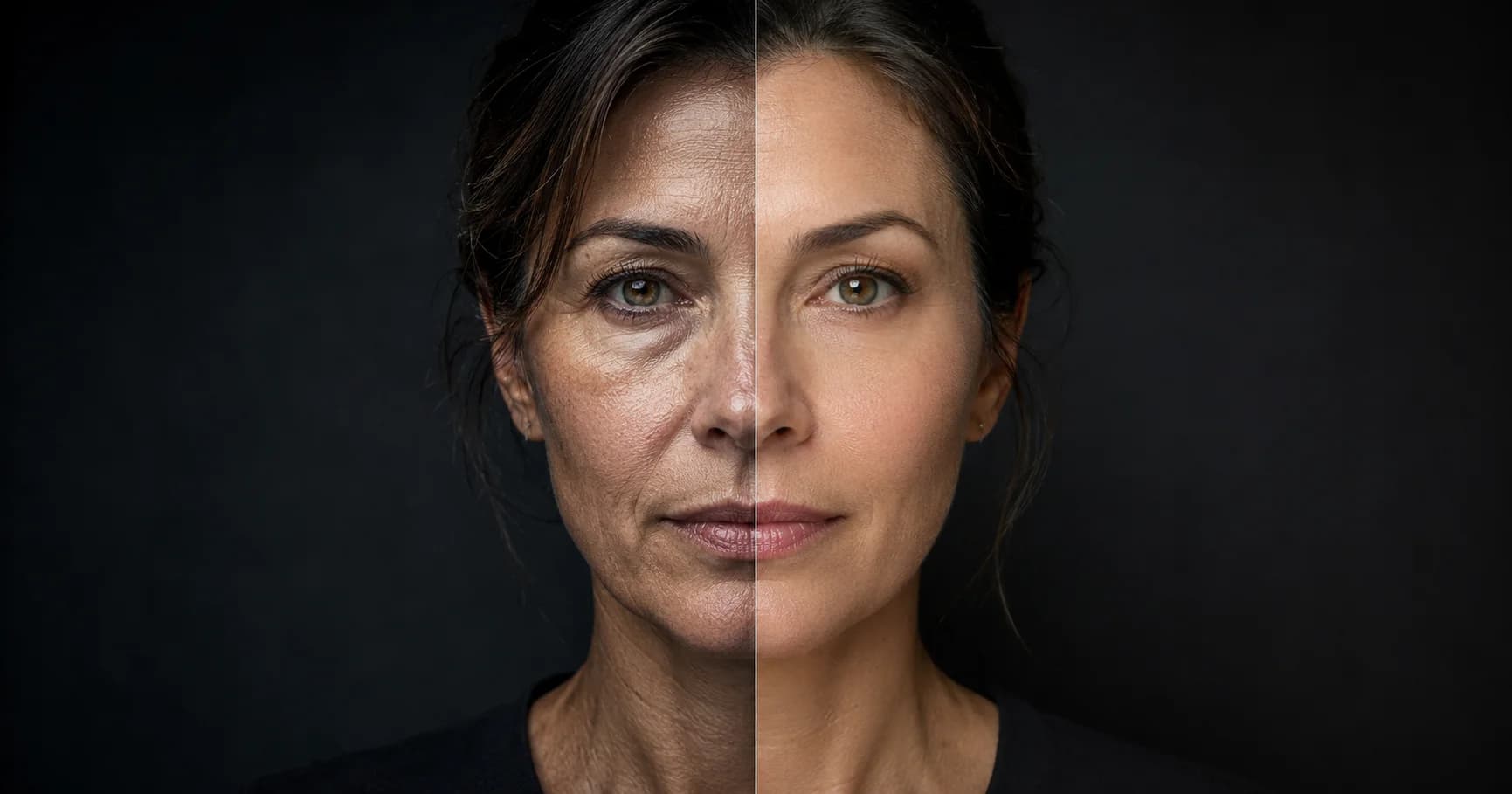
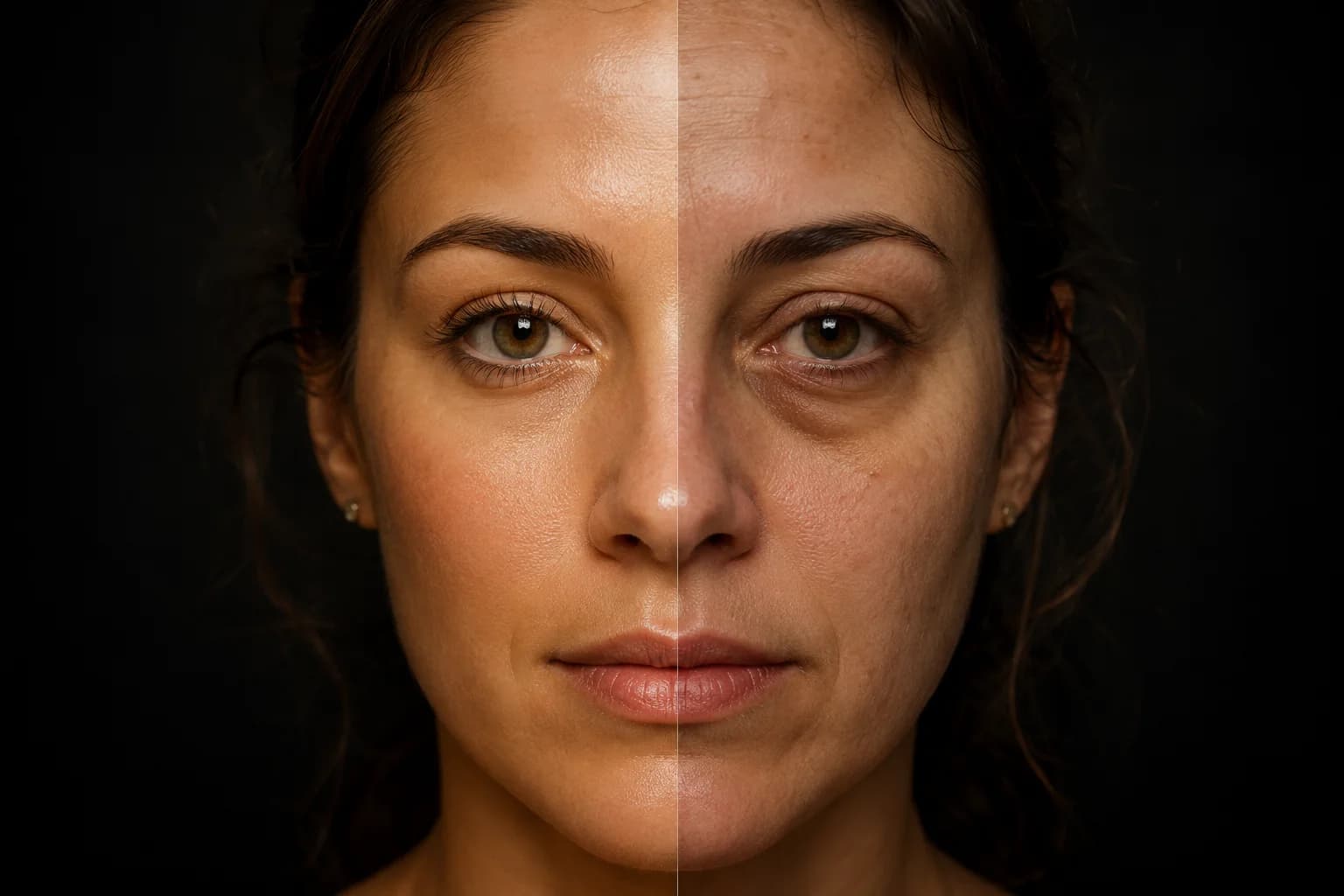
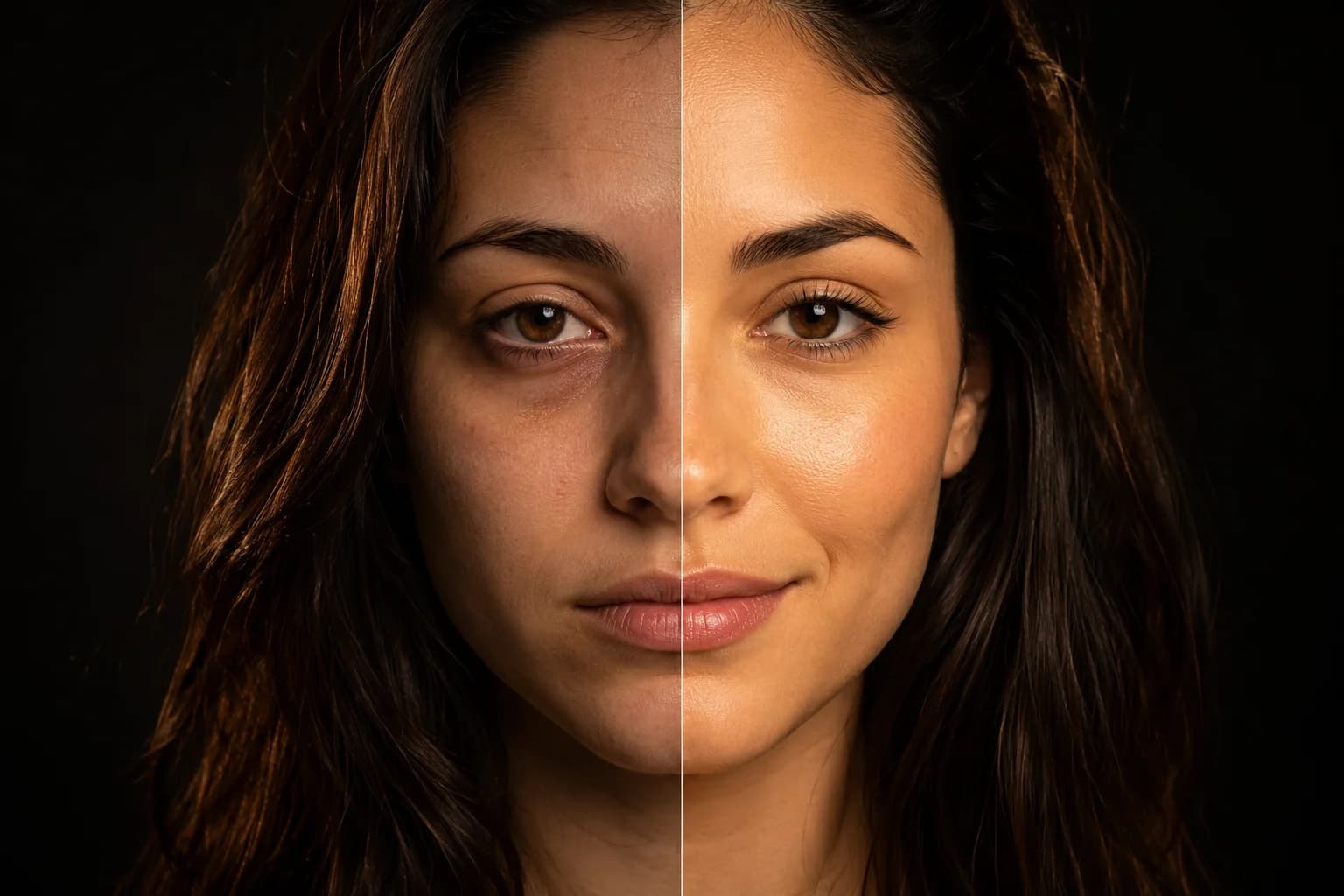
A glow up — the dramatic improvement in someone's appearance — is often described as if it happens overnight or by luck. The science tells a different story: the changes that constitute a genuine glow up are the accumulated effect of specific, measurable biological signals that respond directly to lifestyle inputs. Sleep quality, skin hydration, body composition, posture, and grooming habits all produce quantifiable differences in how attractive and youthful a face appears.
What a Glow Up Actually Is, Biologically
A glow up has three main biological components: improved skin quality (texture, tone, luminosity), improved facial definition (sharper features from reduced fat and increased muscle tone), and improved baseline expression signals (more open eyes, more relaxed face, more natural posture). Each of these is driven by specific physiological mechanisms that respond to lifestyle changes.
Skin quality is primarily determined by hydration, collagen density, inflammation level, and circulation. Facial definition is largely a function of body fat percentage and facial muscle tone. Expression signals — how open and energised your face looks at rest — are driven by sleep quality, stress hormones, and hydration. The good news is that all three components are meaningfully responsive to change.
Sleep: The Fastest Glow Up You Can Do
Sleep is the single highest-leverage intervention for facial appearance. A landmark study published in Royal Society Open Science had neutral observers rate the attractiveness, health, and trustworthiness of faces photographed after 8 hours of sleep and after 31 hours of sleep deprivation. The sleep-deprived faces scored significantly lower on all three measures — with visible differences in eye openness, skin colour, lip fullness, and overall facial expression.
The mechanism runs through cortisol and growth hormone. Sleep deprivation elevates cortisol, which breaks down collagen, increases inflammatory skin conditions, and redistributes body fat toward the face (puffiness). During deep sleep, growth hormone peaks and drives skin cell repair, collagen synthesis, and tissue regeneration. Eight hours of quality sleep is not optional for optimal facial appearance — it is the primary biological process that maintains skin and tissue quality.
Eye bags, dark circles, pale or sallow skin tone, and a dull, tired facial expression are all direct outputs of poor sleep. They can be reduced but not eliminated by topical products. The source fix is sleep itself.
Elevate your pillow slightly and sleep on your back when possible — this reduces fluid pooling around the eyes overnight and is immediately visible the next morning.
Skin Hydration and the Glow Effect
The skin's 'glow' is literally light reflection. Hydrated skin has a smooth, plump surface that reflects light evenly, producing luminosity. Dehydrated skin appears dull and flat because its uneven surface scatters and absorbs light. Research published in the British Journal of Dermatology showed that increased water intake measurably improved skin hydration and surface characteristics within four weeks.
Topical hydration (moisturisers, hyaluronic acid serums) and internal hydration (water intake) both contribute, but through different pathways. Topical moisturisers work primarily at the stratum corneum (outer skin layer), trapping existing moisture and reducing transepidermal water loss. Internal hydration maintains the deeper dermis. Both are needed for optimal results. SPF 30+ daily is also critical — UV damage is the leading cause of premature collagen breakdown and skin tone unnevenness.
Advertisement
Body Composition and Facial Definition
Lower body fat percentage produces sharper facial features — a more defined jawline, more prominent cheekbones, and reduced facial roundness. Research shows that even modest fat loss (5–10 lbs total body weight) produces visible facial definition changes in most people. Resistance training further enhances this by building neck and jaw muscles that define the lower face perimeter.
Conversely, weight gain distributes fat to the face relatively early, softening features and reducing definition. For people who find their face appears less defined than their ideal, body composition change is often the highest-leverage intervention — more impactful than skincare or grooming.
Posture also plays an underappreciated role in facial appearance. Forward head posture compresses the neck, reduces jawline definition, and affects the perceived shape of the lower face. Correcting posture through targeted exercises can visually sharpen the jaw-neck transition significantly.
Frequently Asked Questions
How long does a glow up take?
Some components respond within days (sleep improvement, reduced puffiness, hydration changes), others within weeks (skin texture from a skincare routine), and others within months (body composition, muscle tone, collagen density from consistent SPF use). A meaningful, visible glow up from lifestyle changes typically becomes noticeable within 2–3 months of consistent effort. The changes compound over time.
What causes a glow up?
A glow up is driven by improvements in three biological areas: skin quality (hydration, collagen, inflammation reduction), facial definition (body composition, muscle tone), and expression signals (sleep quality, stress levels, posture). These all respond to lifestyle inputs — sleep, diet, exercise, skincare, and hydration — which is why glow ups are achievable and not purely genetic.
Can you glow up after 25?
Absolutely. The biological mechanisms behind a glow up — skin hydration, sleep quality, body composition, collagen density — respond to input at any age. In fact, some of the most dramatic glow ups happen in people's late 20s and 30s when they adopt healthier sleep and lifestyle habits. Facial appearance can improve at any age with the right inputs.
Does losing weight cause a glow up?
For most people, yes. Facial fat is one of the first places changes appear with weight loss, producing sharper jawlines, more defined cheekbones, and more angular features. A study found that faces become more attractive-rated with moderate fat loss across the full range of starting weights. The effect is not universal — very low body fat can also hollow the face and reduce fullness that contributes to a youthful appearance.
Lena Whitmore
Science Writer · Facial Analysis & Appearance Psychology
Lena covers the science of smiles, facial aging, and AI-powered biometrics. She writes evidence-based guides grounded in peer-reviewed research, with a focus on making appearance science accessible and actionable. All tools on Smile Tracker run locally in your browser — your photo is never uploaded anywhere.
Put it to the test
See your results with AI
Upload a photo and get your AI-estimated apparent age and Youthful Energy Score — free, private, instant.
Try Guess My Age Free →Advertisement
Sources