Skin Quality and Attractiveness: Why Skin Matters More Than Features
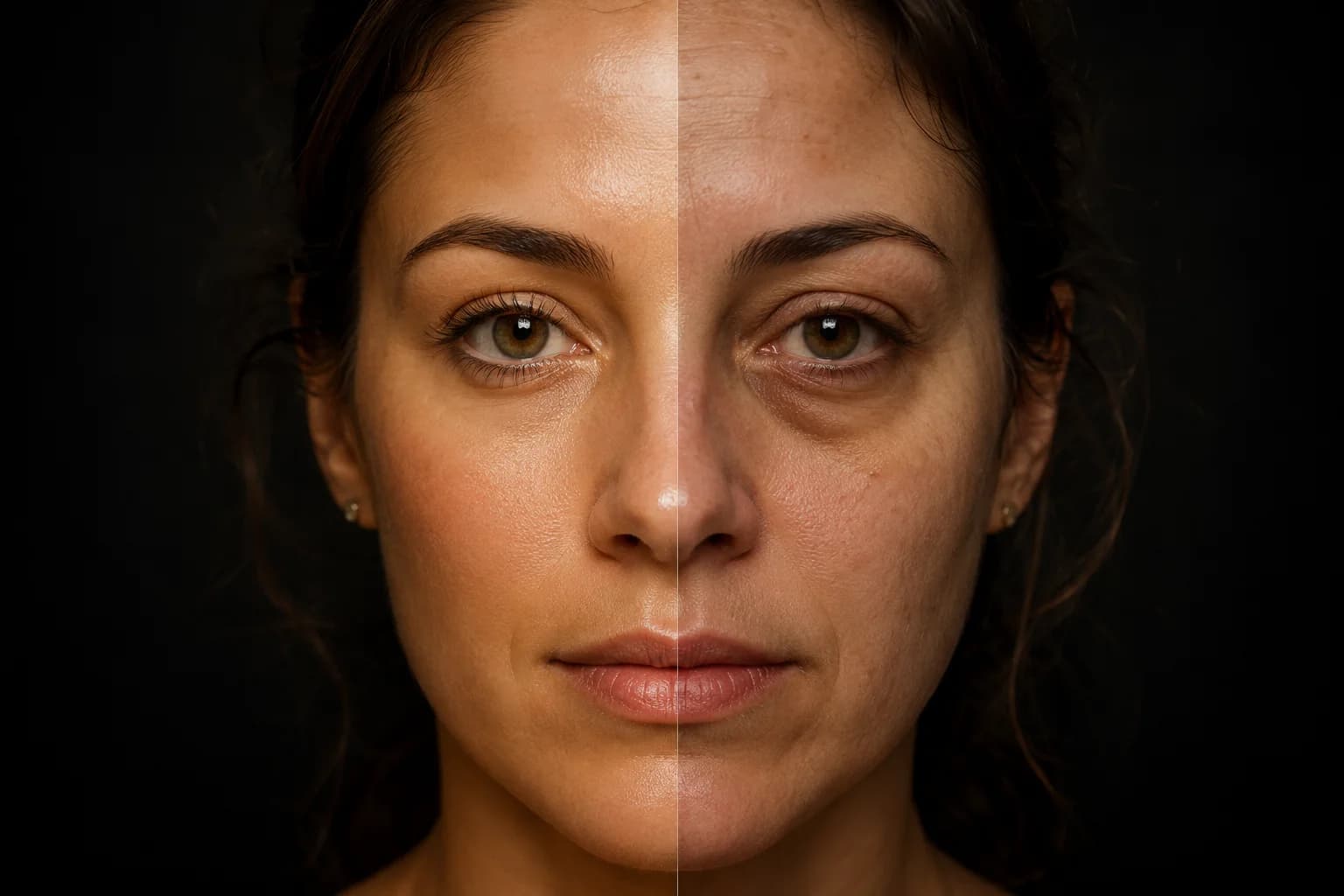
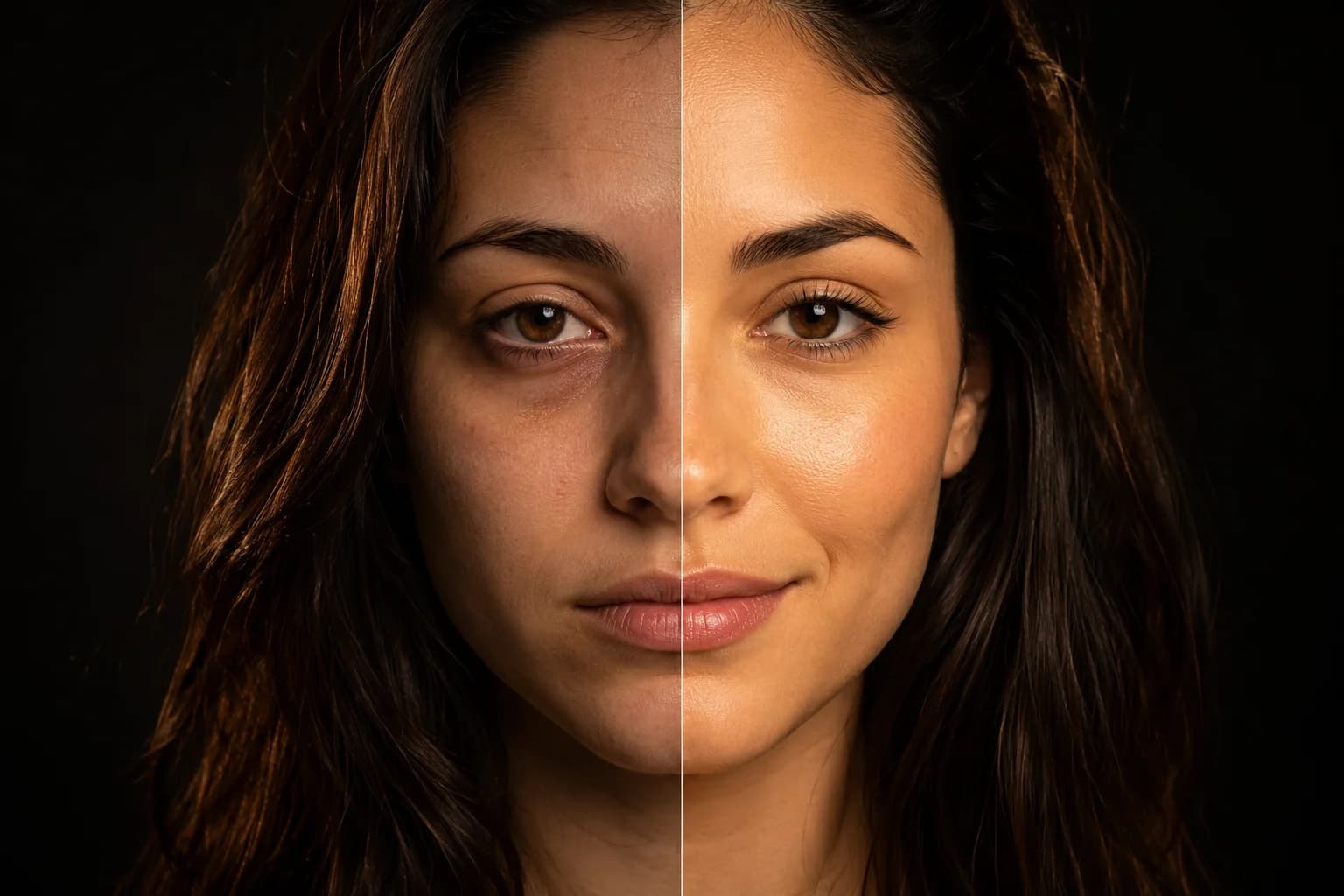
In attractiveness research, bone structure gets most of the attention. But multiple independent studies have found that skin quality — texture, evenness, clarity, and radiance — predicts attractiveness ratings more strongly and more consistently than facial structure alone. A face with average bone structure and excellent skin typically scores higher than a face with excellent bone structure and poor skin. Understanding why changes how you should think about appearance optimisation.
What the Research Shows About Skin vs Bone Structure
A foundational study by Fink and colleagues manipulated facial images by changing skin quality while keeping structure constant, and vice versa. When raters evaluated attractiveness, skin quality changes produced larger swings in ratings than equivalent structural changes. The same face with evenly toned, clear skin rated dramatically higher than the same face with uneven colouration or texture — even when the bone structure was superior.
This finding has been replicated and extended. A 2008 study found that skin colour distribution (evenness) was a stronger predictor of perceived age than actual age — a face with highly even skin tone read as significantly younger than a face with the same chronological age but more uneven tone. Since perceived youth strongly predicts attractiveness, this creates a direct link: improve skin evenness, improve attractiveness rating.
The mechanism is evolutionary: skin quality is a reliable indicator of current health status, hormonal balance, and immune function. It signals something bone structure cannot — how the person is doing right now, not just their genetic heritage.
The Four Skin Signals Observers Read Instantly
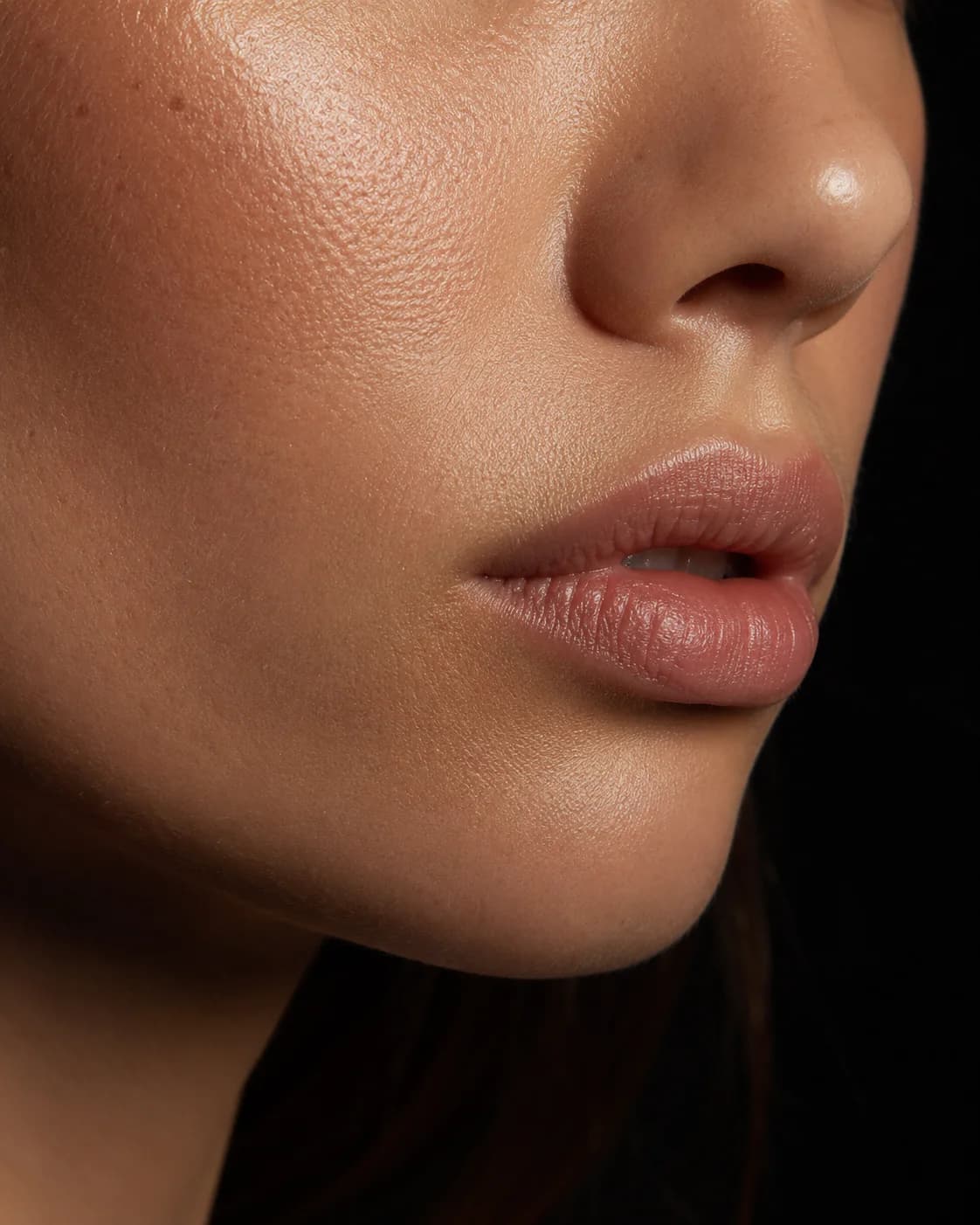
Research identifies four specific skin attributes that drive attractiveness ratings: colour evenness — uniformity of tone without redness, dark spots, or discolouration; texture — surface smoothness and the absence of enlarged pores, acne, or scarring; luminosity — the light-reflective quality that produces a glow; and hydration — the plump, bouncy quality that signals adequate water content in the dermis.
Of these four, colour evenness has the largest effect size in studies. Faces with even skin tone are rated as more attractive, healthier, and younger regardless of the underlying tone itself. Studies have found that an even medium tone rates higher than an uneven light tone — the evenness signal outweighs the colour preference.
Luminosity is the second most impactful signal. The light-reflective quality of healthy skin is deeply connected to radiance perception, which correlates with youth, health, and vitality. This is why glowing skin has such broad cultural resonance — the perception is not aesthetic preference but a genuine health-reading signal.
Skin and Perceived Age
The relationship between skin and perceived age is one of the most robust in the facial aging literature. A study found that skin quality accounted for a larger proportion of variance in perceived age judgments than any single structural feature — including wrinkles, which people typically associate most strongly with age.
The specific drivers of aged skin perception are: uneven pigmentation (sun spots, hyperpigmentation), visible texture changes (enlarged pores, sagging), and reduced luminosity (the dull, flat appearance of dehydrated or sun-damaged skin). All three are addressable through targeted skincare — which is not the case for structural aging.
This creates an important implication for AI age estimation: photo lighting and camera quality affect how skin reads in images. Skin that looks dewy and even in natural light can appear patchy under harsh lighting — producing a higher estimated age that reflects photographic conditions rather than actual skin state.
Advertisement
What Actually Improves Skin Attractiveness
The most evidence-backed skin improvements are unglamorous but extremely effective: daily SPF 30+ is the single most impactful long-term intervention, responsible for preventing 80–90% of visible skin aging from UV radiation. Retinoids (retinol or tretinoin) are the most clinically validated ingredient for improving skin texture, reducing pigmentation, and stimulating collagen production. Both are widely available and inexpensive.
Hydration affects skin attractiveness more directly than most people realise. A study found that consuming an additional 500ml of water daily for four weeks produced measurable improvements in skin density and surface characteristics in subjects who were previously under-hydrated.
Sleep is the skin's primary recovery window. During deep sleep, skin cell turnover accelerates, cortisol drops, and growth hormone rises. The well-documented tired skin appearance after poor sleep — dull, puffier, with more visible lines — reflects measurable biological changes, not just visual fatigue.
Daily SPF + a basic retinoid is the highest-evidence, lowest-cost skin improvement stack. These two interventions together prevent and partially reverse the most visible aging signals.
The Skin Attractiveness Signal Across Genders
Research on skin attractiveness shows slight gender differences in which attributes are most important. For female faces, colour evenness and luminosity receive the highest weighting in attractiveness assessments. For male faces, texture consistency and visible signs of health — clarity, absence of inflammation — are the primary drivers.
One consistent finding across both genders: the attractiveness penalty for visibly problematic skin (active acne, significant redness, visible scarring) is substantial and difficult to compensate for through other features. A highly symmetrical face with significant active acne rates lower than a less-symmetrical face with clear skin in most controlled studies.
Improving skin health has one of the highest attractiveness-to-effort returns of any appearance change for almost everyone — precisely because the baseline expectation is clear, healthy skin, and any visible deviation from it receives a disproportionate negative signal.
Skin and AI Face Analysis
Current AI face analysis tools, including Rate My Face, measure structural geometry rather than skin quality. This means skin condition is not directly scored — but it affects how structural metrics read in photographs. Good skin quality improves the contrast and clarity of structural landmarks, allowing more accurate measurement.
Photographs taken when your skin looks its best will produce more accurate structural scores, since the AI can detect the underlying geometry more precisely. If you want the most accurate face score, use photos taken in good lighting when your skin is hydrated and even.
Frequently Asked Questions
Does skin quality really affect attractiveness more than bone structure?
Research by Fink and colleagues found that equivalent changes to skin quality produced larger swings in attractiveness ratings than equivalent structural changes. Bone structure matters, but skin quality is a more immediate and more modifiable signal, with larger per-unit effects than most people expect.
What skin features make a face more attractive?
The four most impactful skin attractiveness signals in order of effect size: colour evenness (uniform tone without spots or redness), luminosity (the light-reflective glow), texture (smooth surface without enlarged pores or scarring), and hydration (the plump, supple quality of well-hydrated skin).
Can improving your skin make you significantly more attractive?
Yes. Studies show that moving from poor to good skin quality changes attractiveness ratings by amounts comparable to significant facial symmetry differences. Consistent SPF, basic skincare actives (retinoid, vitamin C), adequate sleep, and hydration produce visible skin improvements within 8–12 weeks for most people.
Does acne significantly affect attractiveness?
Research consistently finds that active acne produces one of the largest attractiveness penalties in facial assessments — larger, in many studies, than asymmetry or proportional imbalances. The penalty is primarily driven by the health signal: visible skin inflammation reads as current immune stress. Treating active acne is therefore one of the highest-priority appearance improvements for anyone dealing with it.
How does skin affect how old you look?
Skin quality accounts for a larger proportion of perceived age variance than any single structural feature, including wrinkles. Specifically, colour evenness and luminosity loss are the strongest drivers of aged skin perception. Both are responsive to targeted skincare — making perceived age one of the most improvable appearance dimensions.
Lena Whitmore
Science Writer · Facial Analysis & Appearance Psychology
Lena covers the science of smiles, facial aging, and AI-powered biometrics. She writes evidence-based guides grounded in peer-reviewed research, with a focus on making appearance science accessible and actionable. All tools on Smile Tracker run locally in your browser — your photo is never uploaded anywhere.
Put it to the test
See your results with AI
Upload a photo and get your AI facial proportion analysis, symmetry measurement, and feature breakdown — free, private, instant.
Analyse My Face Free →Advertisement
Sources
- Fink et al. (2006) — Visible skin color distribution plays a role in the perception of age, sex, and attractiveness
- Fink & Matts (2008) — Effects of skin colour distribution on perception of female facial age and attractiveness
- Jones et al. (2004) — The relationship between shape and color attributes in assessments of human facial attractiveness