Does a Beard Make You More Attractive? What 12 Studies Say
Whether a beard makes you more attractive is one of the most studied questions in facial attractiveness science. Researchers have run controlled preference studies across thousands of participants, across cultures and relationship contexts, and the data reveals a clear hierarchy. Not all beards are equal, not all contexts are equal, and the answer depends on factors most men have never considered.
What 12 Studies Consistently Found
A landmark 2013 study by Dixson and Brooks tested female preferences across four facial hair conditions: clean-shaven, light stubble, heavy stubble, and full beard. The result was unambiguous — heavy stubble, approximately ten days of growth, rated highest for short-term attractiveness. Full beards rated highest for long-term relationship potential and perceived parenting ability.
These findings have since been replicated across multiple cultures, age groups, and methodologies. A 2016 study found that beard preference strengthens when bearded faces are rare in a population — the rarity effect — suggesting context matters. When everyone is clean-shaven, even light stubble stands out significantly.
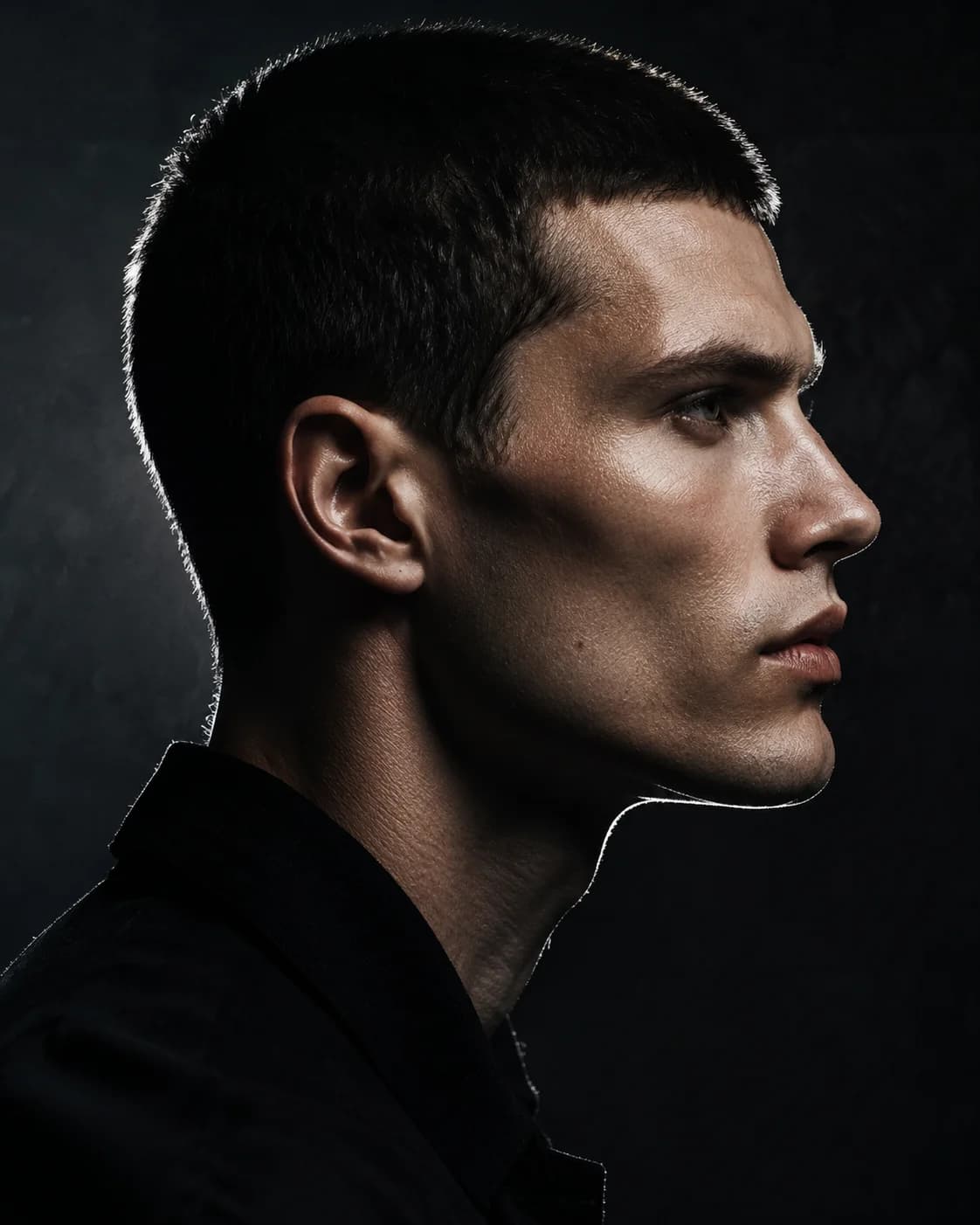
Across all studies, clean-shaven men consistently rated lowest on dominance, masculinity, and social maturity. This does not mean clean-shaven is unattractive — it means it scores lowest on the specific dimensions facial hair enhances.
Why Heavy Stubble Consistently Wins
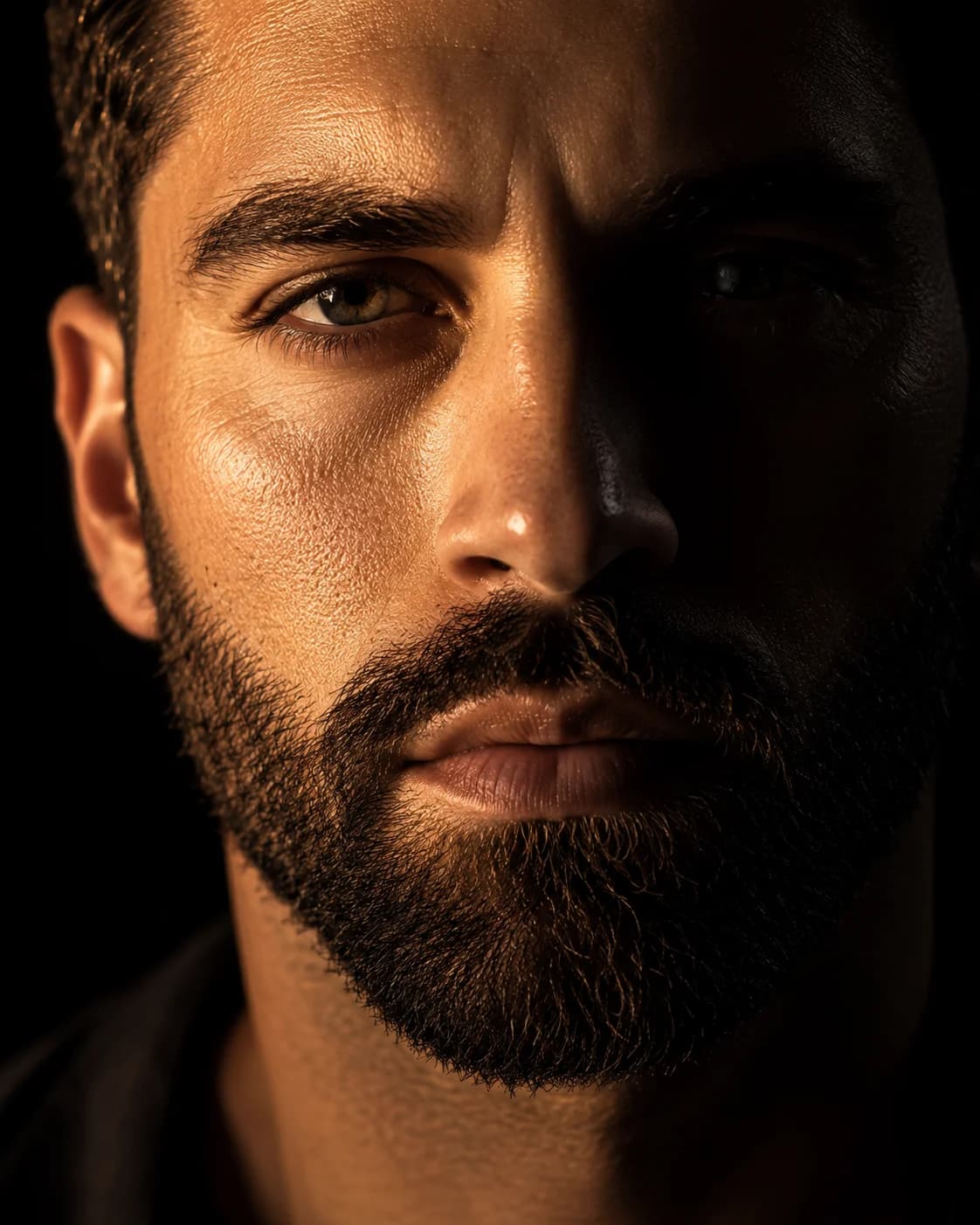
Heavy stubble hits a specific perceptual sweet spot. It signals enough masculinity and maturity to read as dominant and capable, without triggering the aggression and unkemptness associations that full beards sometimes activate. It reads as intentional and groomed rather than neglected.
From a structural perspective, stubble enhances the appearance of jaw definition. It creates visible contrast along the jawline and chin, making the mandible appear more defined and angular. For men whose jawline definition scores low in face analysis, a well-maintained beard can visually compensate.
The key word is maintained. Unkempt facial hair activates different associations to groomed facial hair. Studies that distinguish the two find groomed beards consistently outperform unkempt ones regardless of length.
Ten days of growth, neatly edged at the neck and cheeks, consistently outperforms both shorter and longer styles in controlled preference studies.
Full Beards and Long-Term Attraction
Full beards rate lower than heavy stubble for short-term attractiveness but higher for perceived parenting quality, social maturity, and long-term relationship potential. This distinction is meaningful: the factors that drive initial attraction differ from those that sustain relationship interest.
Research by Dixson and colleagues found that women's preferences for beard length shift depending on relationship context. For short-term partners, heavy stubble dominates. For long-term partners, full beards gain significant ground — often matching or exceeding stubble ratings.
This creates a practical implication: if your goal is first-impression attractiveness, heavy stubble is optimal. If the goal is projecting stability and partner quality, a full beard may serve you better.
Advertisement
When Beards Hurt Attractiveness
Beards are not universally beneficial. Research identifies three contexts where facial hair reduces attractiveness ratings: when unkempt, when mismatched to face shape, and when underlying skin health is poor.
Face shape matters significantly. Beards add width and volume to the lower face. For men with round or square face shapes, this can reduce facial thirds balance — making the lower face appear disproportionately heavy. For men with oval, oblong, or heart-shaped faces, a beard tends to enhance rather than disrupt facial harmony.
Skin condition beneath the beard is also relevant. Studies tracking perceived health find that visible skin problems around beard edges reduce attractiveness ratings more than the same condition on a clean-shaven face — because the beard draws the eye to the area.
The Sexual Dimorphism Signal
Facial hair is one of the strongest secondary sexual characteristics in humans — a direct visual signal of testosterone-driven development. This is why beards increase perceptions of dominance, masculinity, and social status regardless of actual hormone levels.
Research by Neave and Shields found that men with beards were rated significantly higher on dominance, aggression, and social maturity than clean-shaven counterparts — by both male and female raters. The dominance signal was perceived by everyone, not just potential partners.
This dominance perception has real-world effects beyond attractiveness. Studies show bearded men are perceived as more competent in some professional contexts, more likely to be trusted as leaders, and older — which can be advantageous or disadvantageous depending on the situation.
How Beard Affects Your Face Score
A beard directly influences two of the five Rate My Face metrics: jawline definition and facial thirds. Jawline definition — 15% of the score — measures the taper ratio between your lower jaw width and cheekbone width. A well-edged beard adds visual width to the jaw and chin, which can push this score in either direction depending on your existing proportions.
The most reliable approach is uploading two versions of the same photo — one with your current beard and one without — and comparing the scores. This gives direct evidence of what your facial hair is doing to your structural readings rather than relying on general research averages.
Frequently Asked Questions
Does a beard make you more attractive?
Research consistently finds that facial hair increases perceived masculinity, dominance, and social maturity. Heavy stubble — around ten days of growth — is the most attractive beard style for short-term attractiveness across multiple studies. Full beards rate higher for long-term relationship potential. Clean-shaven consistently rates lowest on dominance-related attractiveness dimensions.
What beard length is most attractive?
Heavy stubble — approximately 10 days of growth — is the most attractive beard length for general attractiveness and short-term relationship interest, according to multiple controlled preference studies. For long-term relationship attractiveness, full beards perform comparably or better in most study contexts.
Do beards affect how old you look?
Yes. Full beards reliably increase perceived age by 3–5 years. Heavy stubble adds 1–2 years on average. If appearing younger is a priority, lighter facial hair or clean-shaven may serve you better, as perceived age affects attractiveness ratings in different directions depending on the audience and context.
Does a beard help with jawline definition?
A well-edged beard enhances the visual appearance of jawline definition by creating contrast along the mandible. For men whose jaw width is narrower relative to their cheekbones, a beard adds visual mass to the lower face. For men whose lower face is already wide, a beard can disrupt facial balance rather than improve it.
Are beards more attractive in some cultures than others?
Beard preferences vary across cultures, with one consistent finding: beards appear most attractive when they are relatively rare in the population. The negative frequency-dependent selection effect means heavy stubble gains attractiveness points when most men around them are clean-shaven, and loses points when beards become extremely common.
Lena Whitmore
Science Writer · Facial Analysis & Appearance Psychology
Lena covers the science of smiles, facial aging, and AI-powered biometrics. She writes evidence-based guides grounded in peer-reviewed research, with a focus on making appearance science accessible and actionable. All tools on Smile Tracker run locally in your browser — your photo is never uploaded anywhere.
Put it to the test
See your results with AI
Upload a photo and get your AI facial proportion analysis, symmetry measurement, and feature breakdown — free, private, instant.
Analyse My Face Free →Advertisement
Sources