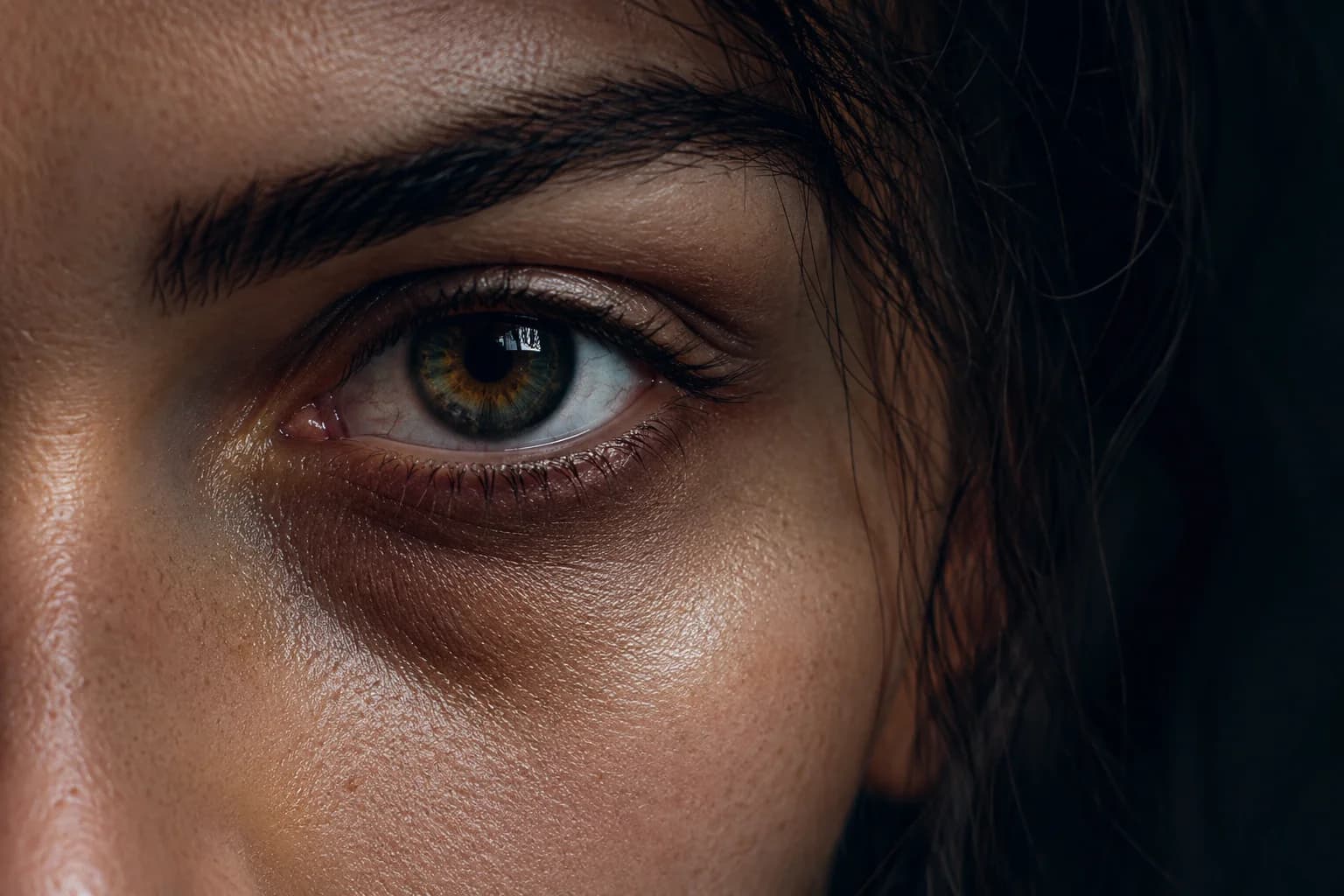
Are Dark Circles Genetic? What Science Says
Dark circles are one of the most common aesthetic concerns people bring to dermatologists — and one of the most frequently misunderstood. The term 'dark circles' actually covers at least four distinct conditions with different causes and completely different treatment approaches. Identifying which type you have is the critical first step, because a treatment that works perfectly for one type may do nothing for another.
The Four Types of Dark Circles (and How to Tell Them Apart)
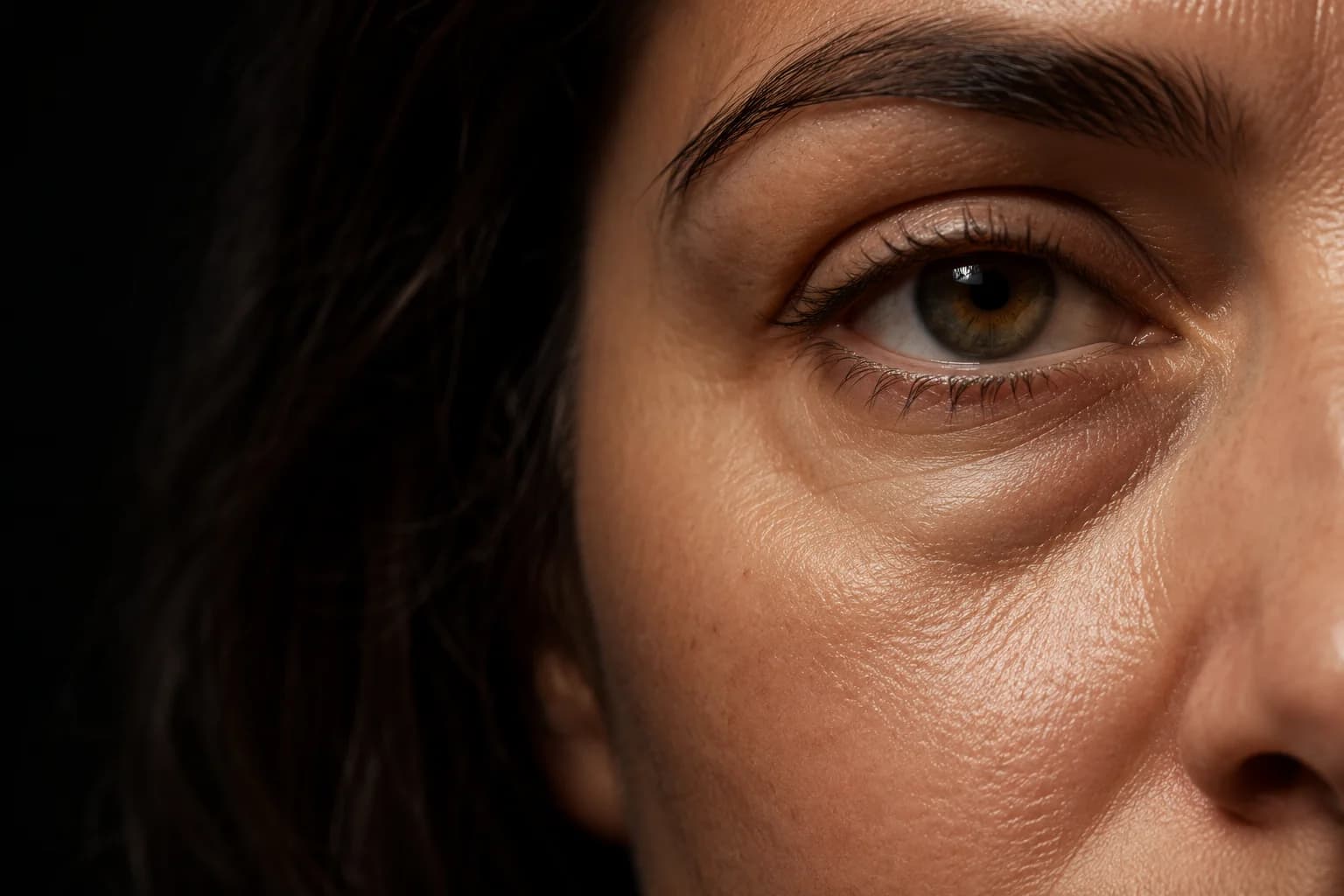
Dermatologists classify periorbital dark circles into four primary types. Vascular dark circles appear bluish or purple and are caused by blood vessels showing through thin under-eye skin — they are usually more visible in the morning. Pigmented dark circles are brownish and caused by melanin deposits in the skin — they are equally visible at all times and tend to run in families. Structural dark circles result from shadow cast by a deep tear trough or loss of under-eye volume — they worsen with age as facial volume diminishes. Mixed-type circles involve two or more of these mechanisms simultaneously.
The simple home test: pull the skin gently below your eye. If the dark colour disappears or significantly lightens, it is primarily vascular or structural (blood or shadow). If the colour persists, it is primarily pigmented (melanin). This distinction matters enormously for treatment: retinol and vitamin C work on pigmented circles; cold compresses and caffeine work on vascular circles; filler or fat grafting addresses structural circles.
Check your dark circles in multiple lighting conditions — natural light at midday is the most revealing. Artificial warm lighting significantly reduces the apparent severity of vascular dark circles.
How Much of It Is Actually Genetic?
Genetics plays a significant role in two of the four types. Pigmented dark circles have a clear hereditary component — research published in Dermatology Research and Practice found strong familial clustering, particularly in people of South Asian, Middle Eastern, and East Asian descent, where higher baseline melanin production makes periorbital hyperpigmentation more common. If both your parents have dark circles that persist regardless of sleep, pigmented type is likely.
Skin thickness — the primary determinant of vascular dark circles — also has a genetic basis. People born with thinner under-eye skin show more underlying vasculature regardless of sleep or hydration. Skeletal facial structure (which determines tear trough depth) is largely genetic, affecting whether structural shadowing is present from early adulthood.
What is not primarily genetic is the lifestyle-exacerbated component. Lack of sleep, dehydration, alcohol consumption, and high-sodium diet all worsen dark circles independently of genetic predisposition by increasing vascular congestion and facial fluid retention. For genetically predisposed people, these lifestyle factors amplify their existing tendency significantly.
“Periorbital hyperpigmentation shows a clear familial pattern across ethnic groups, suggesting strong polygenic heritability.”
What Actually Works to Reduce Dark Circles
For vascular dark circles, the most effective interventions are cold compresses (constrict blood vessels), caffeine-containing eye creams (vasoconstriction), adequate sleep, reduced sodium intake, and sleeping slightly elevated. These address the underlying mechanism directly. Results are visible but temporary — they manage the condition rather than cure it.
For pigmented dark circles, topical ingredients with evidence include vitamin C (antioxidant, inhibits melanin production), niacinamide (reduces melanin transfer), kojic acid (melanin inhibitor), azelaic acid, and retinoids (accelerate cell turnover to reduce pigment depth). These work slowly — 8–12 weeks minimum before visible improvement. Sunscreen is non-negotiable: UV exposure stimulates melanin production and perpetuates the cycle.
For structural dark circles, the only effective approach addresses the structural deficit. Hyaluronic acid fillers in the tear trough restore volume and eliminate the shadow. This is a clinical procedure with excellent outcomes when performed by an experienced injector but is the only intervention that reliably addresses the structural cause.
Advertisement
Frequently Asked Questions
Why do I have dark circles even when I get enough sleep?
Dark circles that persist despite adequate sleep are most likely pigmented (melanin deposits, often genetic) or structural (caused by a deep tear trough casting shadow). Sleep deprivation primarily causes vascular dark circles by increasing blood flow and fluid retention under the eyes. If your dark circles look brownish and stay consistent regardless of sleep, pigmented type is the likely cause.
Can dark circles go away completely?
It depends on the type. Vascular dark circles can be largely managed through sleep, reduced sodium, cold compresses, and caffeine eye creams — but will likely recur with lifestyle triggers. Pigmented dark circles can fade significantly with consistent use of vitamin C, niacinamide, and SPF, but may not disappear entirely given the genetic component. Structural dark circles require filler to address the root cause.
Does caffeine eye cream actually work for dark circles?
Yes, for vascular dark circles specifically. Caffeine is a vasoconstrictor — it temporarily shrinks blood vessels under the thin under-eye skin, reducing the bluish-purple discolouration from visible vasculature. The effect is real but temporary (lasts 4–6 hours). It has no effect on pigmented or structural dark circles.
Are dark circles a sign of a health problem?
Usually not. Most dark circles are cosmetic — genetic, lifestyle, or structural. However, sudden onset of dark circles can occasionally signal thyroid issues, iron-deficiency anaemia, or allergies (which cause nasal congestion that increases periorbital venous pressure). If your dark circles appeared suddenly without lifestyle change, it is worth mentioning to a doctor.
Lena Whitmore
Science Writer · Facial Analysis & Appearance Psychology
Lena covers the science of smiles, facial aging, and AI-powered biometrics. She writes evidence-based guides grounded in peer-reviewed research, with a focus on making appearance science accessible and actionable. All tools on Smile Tracker run locally in your browser — your photo is never uploaded anywhere.
Put it to the test
See your results with AI
Upload a photo and get your AI-estimated apparent age and Youthful Energy Score — free, private, instant.
Try Guess My Age Free →Advertisement
Sources
Related reading
How Your Face Changes With Age: A Decade-by-Decade Breakdown
May 2026 · 9 min read
Why Do I Look Older Than My Age? The Science Behind Perceived Age
May 2026 · 7 min read
How Lack of Sleep Ages Your Face (And How Quickly It Happens)
May 2026 · 7 min read
What Causes Eye Bags and How Do They Make You Look Older?
May 2026 · 6 min read