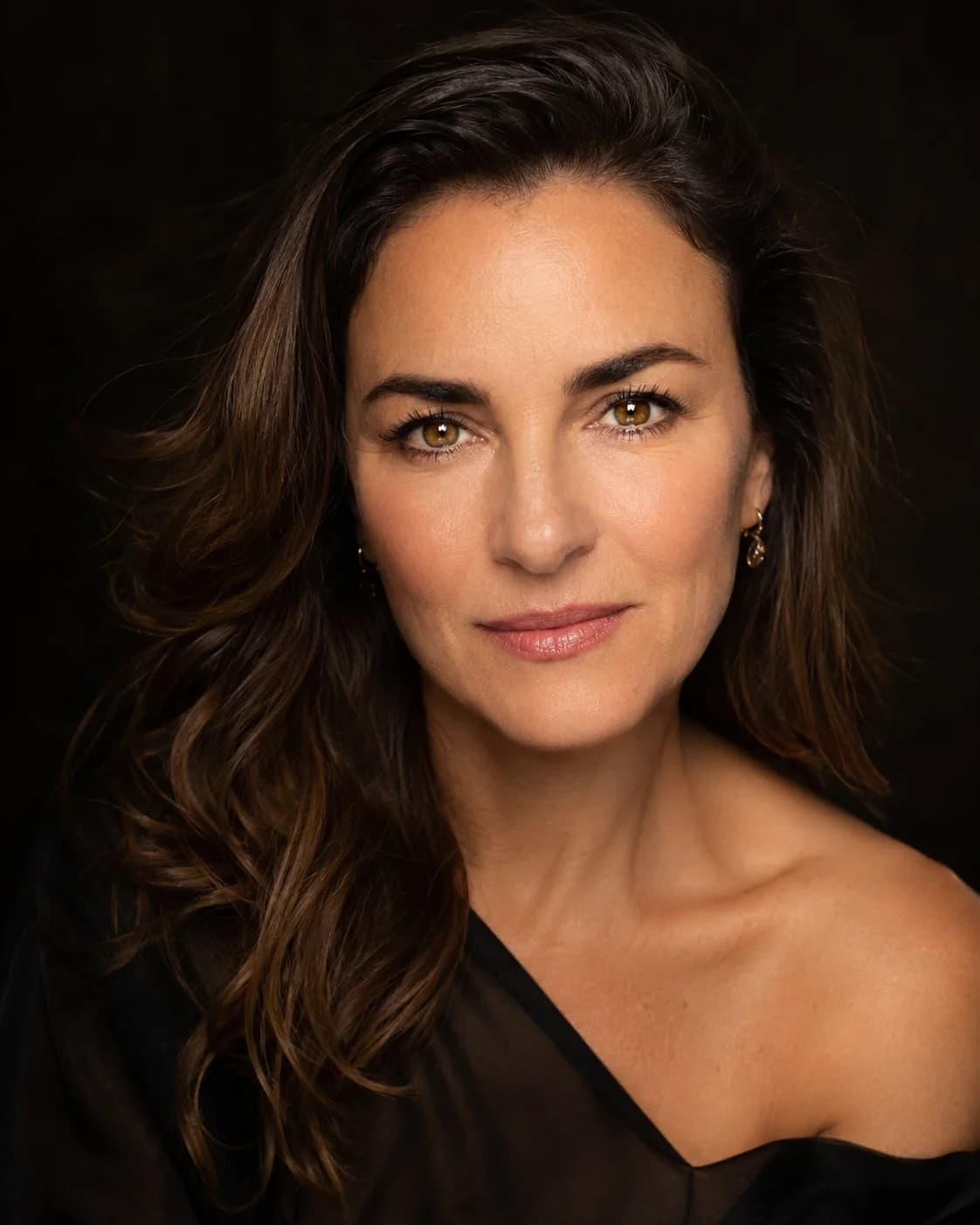
Why Do I Look Young for My Age? The Science of Neoteny and Youthful Faces
Being regularly mistaken for someone 5, 10, or even 15 years younger is a specific experience — sometimes flattering, sometimes frustrating, always curious. The science behind it involves a set of genetically influenced facial features called neotenous traits that trigger youth perception in observers regardless of chronological age. Understanding which features are doing this — and why the brain responds to them the way it does — explains the experience precisely.
What Neoteny Is and Why It Matters for Faces
Neoteny is the retention of juvenile physical characteristics into adulthood. In evolutionary biology, Konrad Lorenz first described the baby schema in 1943: a set of features common to young mammals — large eyes relative to face size, a rounded face, a high forehead, a small nose, full cheeks, and smooth skin — that trigger automatic nurturing and approach responses in adults. This mechanism evolved to ensure caregiving toward young offspring who display these cues.
In humans, these features are retained to varying degrees into adulthood as a result of genetic variation. Individuals with relatively large eyes, a round face shape, full cheeks, a smooth brow, and a small upturned nose are perceived as younger than they are because their facial geometry continues to match the baby schema template that the brain processes as young. This is not a cognitive judgement — it is an automatic, pre-conscious pattern match.
The term babyfacedness was developed and extensively studied by psychologist Leslie Zebrowitz, who documented both how common neotenous features are and the wide range of social consequences they produce. The research established that babyfacedness is one of the most powerful predictors of perceived age, and that its effects on social perception are pervasive and often unexpected.
“Babyfaced individuals are perceived as warmer, more naive, and younger — a package of social impressions driven by a single set of geometric features.”
The Specific Facial Features That Read as Youthful
Research on perceived age has identified several specific facial features that most reliably produce a youthful perception. Large eyes relative to face size is the strongest single signal — eyes appear proportionally larger in children and reduce in relative size as the face grows and the eye socket becomes proportionally smaller. Adults with naturally large eyes, or eyes with a greater white-to-iris ratio, are consistently rated as younger.
Smooth, full cheeks are the second strongest signal. Buccal fat — the cheek fat pad that creates facial roundness — is high in children and gradually reduces with age. Adults who retain significant buccal fat naturally appear younger because the facial volume distribution matches a juvenile template. This also explains why the rapid cheek hollowing associated with significant weight loss ages the face dramatically.
A smooth brow, full lips, a small or upturned nose, and even skin tone (few wrinkles, even pigmentation) complete the neotenous feature set. Having even two or three of these features in combination produces a strong youth-perception effect that often overrides chronological age cues like grey hair or body proportions. This is why people can look dramatically younger than their age even when other signs of aging are present.
The features most responsible for looking young: large eyes, full cheeks, smooth skin, small nose, and a rounded face shape. If you have these features, the youth perception you experience is structural and largely genetic.
Is Looking Young Genetic? What Twin Studies Tell Us
Twin studies provide the clearest evidence for the genetic contribution to facial aging rate. A 2009 study by Gunn and colleagues examining monozygotic (identical) and dizygotic (fraternal) twins found that genetic factors account for approximately 60% of the variation in perceived age — meaning that most of the variation in how fast or slowly someone appears to age is heritable, not purely lifestyle-driven.
The genetic contribution includes: skin structure (collagen density, melanin distribution, sebaceous activity), facial bone structure (which determines how much structural support underlies the skin as volume changes), and the neotenous feature set described above. Identical twins consistently look closer in perceived age than fraternal twins, even when lifestyle factors differ moderately.
The remaining 40% is modifiable through lifestyle: UV exposure (one of the highest-impact aging accelerators, and strongly modifiable), sleep quality, stress levels, and smoking status. This means that while your baseline aging trajectory is substantially genetic, the rate at which you move along that trajectory is meaningfully within your control.
Advertisement
Social Consequences of Looking Too Young
While looking young for your age is often presented as purely positive, Zebrowitz's research documents a more complicated picture. Babyfaced adults are perceived as warmer, more honest, and more naive — and also as less competent, less authoritative, and less dominant. In professional contexts, looking significantly younger than your age can result in being underestimated, having credibility doubted, or being treated as more junior than your actual position.
Research on babyfaced individuals in professional settings found that they were more likely to be believed when making submissive statements and less likely to be believed when asserting expertise — the babyfacedness halo functions as a warmth signal but an anti-authority signal simultaneously. This creates a distinct social experience that many people who look young for their age will recognise: being liked easily but not always taken seriously.
The relationship is not fixed — communicating confidence, expertise, and directness in speech and body language significantly modifies the social reading of a young-looking face. The babyfacedness effect operates most strongly when observers have no other information; adding demonstrable competence overrides the initial impressions fairly quickly in ongoing relationships.
Does Looking Young Now Mean Aging Better Later?
There is compelling evidence that people who look young for their age earlier in life continue to be rated as young-looking relative to chronological age as they get older — suggesting that the factors driving the effect are not just a temporary delay but a genuinely slower aging trajectory for the features that matter most to perceived age.
This is partly structural: individuals with higher initial facial volume retention (fuller cheeks, more subcutaneous facial fat) lose it from a higher baseline, meaning the absolute loss is less dramatic at any given age. It is also partly genetic: the same genes that produce neotenous features in early adulthood influence the rate of collagen loss, skin elasticity change, and bone remodelling over the decades.
The long-run implication is that looking significantly young for your age now is a meaningful predictor of looking young for your age at 50 or 60 — not a guarantee, but a genuine statistical advantage in the facial aging trajectory. The lifestyle factors that maintain the neotenous features (skin quality, volume maintenance, UV protection) are the most relevant to sustaining this advantage over time.
Frequently Asked Questions
Why do some people look so much younger than their age?
Primarily because of neotenous facial features — large eyes, full cheeks, smooth skin, rounded face shape, and small nose — that trigger automatic youth perception by matching the baby schema template the brain uses to identify young individuals. These features are substantially genetic, which is why the effect runs in families.
What makes a face look young?
The most reliably youthful features are large eyes relative to face size, full buccal (cheek) fat, smooth even skin tone, a small or upturned nose, full lips, a high brow, and rounded face shape. Even two or three of these features in combination produce a strong youth perception that often overrides other aging cues.
Is looking young for your age genetic?
Largely yes — twin studies suggest approximately 60% of perceived age variation is genetic. Skin structure, facial bone structure, and neotenous feature inheritance all contribute. The remaining 40% is lifestyle-driven, with UV exposure, sleep, and stress levels being the highest-impact modifiable factors.
Will I age better if I look young now?
Evidence suggests yes. Looking young for your age at 30–40 is a meaningful predictor of continuing to look relatively young at 50–60, because the structural features that produce the effect — particularly facial volume and skin quality — operate from a higher baseline and lose value more gradually. The lifestyle factors that maintain those features are the most relevant investment.
Are there downsides to looking young for your age?
Yes. Zebrowitz's research on babyfacedness found that neotenous adults are perceived as warmer but less authoritative and competent by default. In professional settings, this can mean being underestimated or taken less seriously. The effect is most pronounced in initial interactions and reduces as others accumulate evidence of your actual capability.
Lena Whitmore
Science Writer · Facial Analysis & Appearance Psychology
Lena covers the science of smiles, facial aging, and AI-powered biometrics. She writes evidence-based guides grounded in peer-reviewed research, with a focus on making appearance science accessible and actionable. All tools on Smile Tracker run locally in your browser — your photo is never uploaded anywhere.
Put it to the test
See your results with AI
Upload a photo and get your AI-estimated apparent age and Youthful Energy Score — free, private, instant.
Try Guess My Age Free →Advertisement
Sources
Related reading
Does Smiling Make You Look Younger? What Research and AI Data Show
May 2026 · 6 min read

How Stress Ages Your Face: The Biology and What You Can Do
May 2026 · 7 min read
How Your Face Changes With Age: A Decade-by-Decade Breakdown
May 2026 · 9 min read
Why Do I Look Older Than My Age? The Science Behind Perceived Age
May 2026 · 7 min read
What Is Facial Harmony? The Science of Features That Work Together
May 2026 · 6 min read
How to Look Younger: 8 Science-Backed Changes That Actually Work
May 2026 · 8 min read