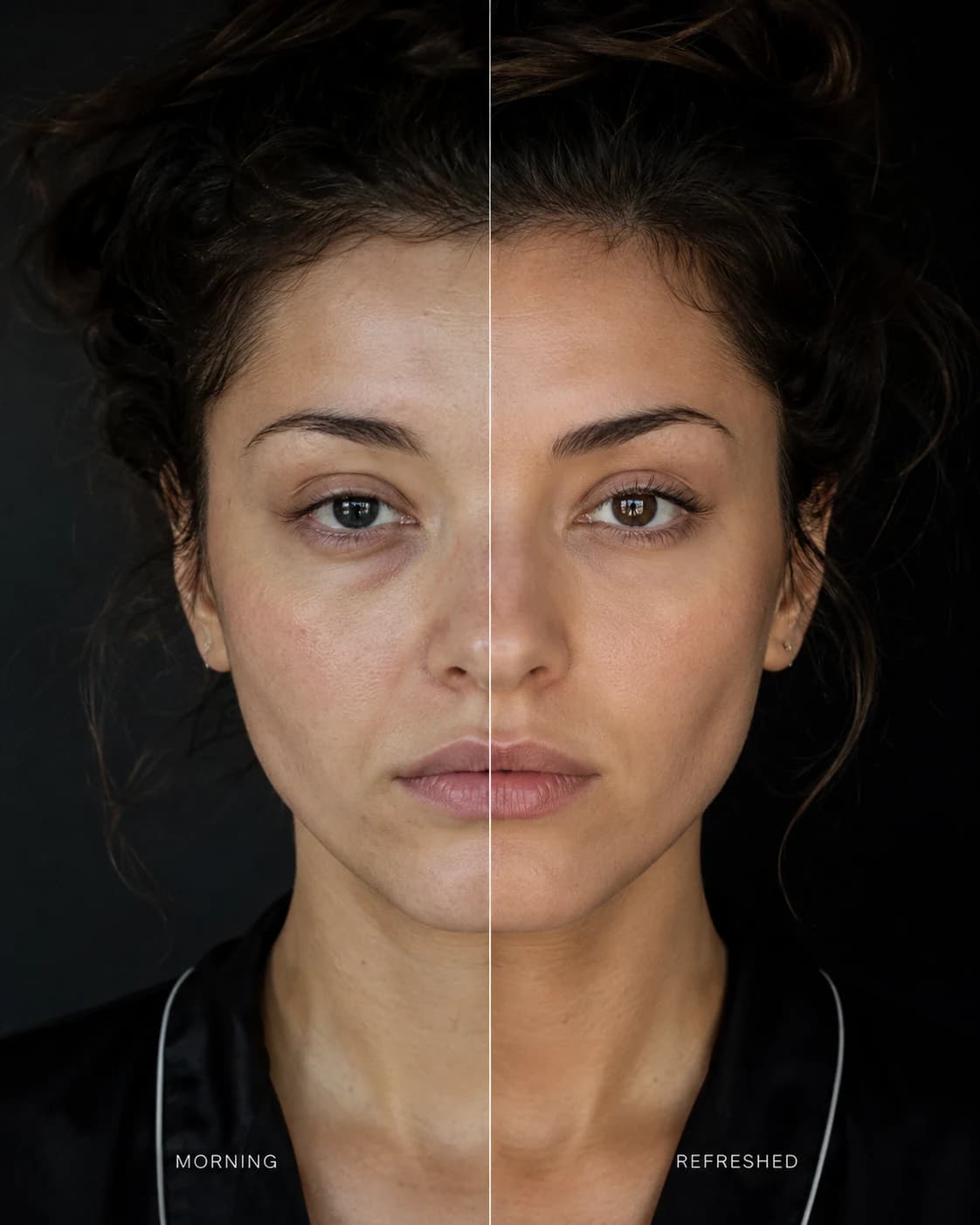
Puffy Face: Why It Happens and How to Reduce It Fast
A puffy face is one of the most common and most fixable appearance concerns. It is not a skin problem or a structural problem — it is almost always a fluid management problem. Fluid accumulates in the face when lymphatic drainage is slow, inflammation is elevated, or osmotic pressure from salt or alcohol pulls water into the interstitial tissue. Identify the cause and the intervention is usually fast and simple.
This article is for informational and educational purposes only and does not constitute medical, dermatological, or psychological advice. Consult a qualified professional before making changes to your health or skincare routine.
Why Your Face Gets Puffy: The Main Causes
The face has rich lymphatic drainage pathways that run from the periorbital area, cheeks, and jaw down through the neck and into the thoracic duct. When lymphatic flow slows — due to horizontal sleep position, dehydration, inflammation, or high sodium intake — fluid accumulates in the loose connective tissue of the face, particularly around the eyes and cheeks where the skin is thinnest and the tissue most distensible. This is why facial puffiness is most prominent in the morning and reduces through the day as you move upright and gravity assists drainage.
High sodium intake is the most common dietary cause of a puffy face. Sodium raises osmotic pressure in the extracellular fluid, drawing water out of cells and blood vessels into the interstitial space. The face is particularly vulnerable because its skin is thinner and facial tissues are not under the same hydrostatic pressure as lower-body tissues. Salty restaurant meals, processed foods, and soy-heavy diets can produce visible facial puffiness within eight to twelve hours.
Alcohol causes facial puffiness through two mechanisms: it is a diuretic that depletes overall hydration (causing reactive water retention the following day), and it triggers inflammatory vasodilation that increases permeability of small blood vessels, allowing more fluid to leak into surrounding tissue. The facial puffiness after drinking is also partly caused by acetaldehyde, a toxic breakdown product of alcohol metabolism that triggers an acute inflammatory response in tissue.
Sleep Position and Morning Puffiness
Lying flat during sleep reduces the gravitational assistance that normally helps lymphatic and venous drainage clear the face. Fluid that accumulates in the face during the night drains slowly through the lymphatic vessels when you are upright but pools during horizontal sleep — particularly in the periorbital area, which has the most distensible loose connective tissue. This is why most people wake with more facial puffiness than they have by mid-morning.
Sleeping with your head elevated 10-20 degrees significantly reduces morning facial puffiness. An extra pillow or a wedge pillow achieves this. It is not necessary to sleep sitting up — even a modest elevation makes a meaningful difference to overnight fluid distribution by maintaining some gravitational drainage assistance. People who sleep on their stomach are often puffier on the side of the face pressed against the pillow due to both positional fluid pooling and direct compression of lymphatic vessels.
Stomach sleeping and side sleeping both press the face against the pillow, which compresses lymphatic channels in the skin and subcutaneous tissue and may contribute to fine line formation over time as well as puffiness. Back sleeping is the sleep position most associated with reduced facial puffiness and slower wrinkle development. If you cannot sleep on your back, a contoured silk or satin pillow reduces both compression effects.
The fastest fix for morning facial puffiness: cold water splash on the face for 30 seconds followed by two minutes of gentle upward facial massage from the jaw to the ears. Cold causes vasoconstriction that reduces fluid in vessels; massage physically moves lymphatic fluid toward drainage points. Combined, they can visibly reduce puffiness in under five minutes.
Allergies, Hormones, and Inflammation
Allergic reactions — whether to food, pollen, dust, skincare products, or latex — cause mast cells to release histamine, which triggers vasodilation and increased vascular permeability. Fluid leaks into surrounding tissue, causing characteristic puffiness particularly around the eyes and lips. If your facial puffiness is seasonal, worsens indoors around dust or pet dander, or appears after eating specific foods, an allergic mechanism is the likely cause. An antihistamine taken the night before high-exposure days can significantly reduce the next-morning puffiness.
Hormonal fluctuation is a major driver of facial puffiness in women. Oestrogen promotes fluid retention by stimulating aldosterone secretion, which causes the kidneys to retain sodium and water. In the week before menstruation, oestrogen and progesterone ratios shift in a way that typically increases fluid retention — many women notice their face is visibly puffier in the premenstrual phase. This is normal and resolves after menstruation begins. Reducing sodium and alcohol intake in the week before menstruation modestly reduces the effect.
Chronic low-grade inflammation from poor diet, sleep deprivation, or chronic stress also causes sustained facial puffiness. Elevated cortisol promotes aldosterone secretion (fluid retention) and directly increases inflammatory cytokine levels. Over time, this keeps the facial tissue in a mildly inflamed, fluid-retaining state. Addressing the root cause — through sleep, stress management, and anti-inflammatory dietary patterns — reduces this baseline puffiness more durably than any topical intervention.
Advertisement
Immediate Reduction Techniques
Cold temperature is the fastest topical intervention for facial puffiness. Cold causes vasoconstriction — narrowing of blood vessels — which reduces blood flow to the area and draws fluid back into the vascular space. A cold pack, cold spoons stored in the refrigerator overnight, or cold water splashed on the face all produce measurable reduction in visible puffiness within minutes. Ice roller tools are popular because they combine cold with physical massage, addressing both mechanisms simultaneously.
Gua sha massage uses a smooth-edged tool to apply firm, directional pressure along lymphatic drainage pathways on the face. The technique works by physically moving fluid in the superficial lymphatic vessels toward the drainage points at the neck. Done correctly — with strokes moving from the centre of the face outward and downward, from the jaw to the ear and then down the neck — gua sha can visibly reduce facial puffiness within one session. Consistent daily use improves baseline lymphatic efficiency over weeks.
Facial massage with clean hands using firm but gentle upward-then-outward-then-downward strokes along the natural lymphatic pathways achieves a similar effect to gua sha without the tool. Two to three minutes of consistent massage is enough. Applying a facial oil as a slip agent prevents skin dragging and allows the pressure to transmit into the lymphatic vessels in the subcutaneous layer rather than just moving the skin surface.
Long-Term Habits for a Less Puffy Face
Reducing sodium intake is the single most impactful dietary change for baseline facial puffiness. The average Western diet contains two to three times the sodium the kidneys ideally manage. Reducing to under 2,000mg per day — roughly one teaspoon of table salt — produces visible facial slimming and reduction in puffiness within a week for most people, particularly those who have been eating high-sodium diets. Reading nutrition labels and cooking at home reduces sodium intake more effectively than most other interventions.
Consistent aerobic exercise significantly improves lymphatic function. The lymphatic system has no dedicated pump (unlike the cardiovascular system, which has the heart) and relies on muscle contractions and body movement to propel lymph fluid. Regular aerobic movement — walking, cycling, swimming, or any sustained activity — provides the mechanical pumping action that the lymphatic system needs. People who are sedentary consistently report more facial puffiness than equally-nourished active individuals.
Green tea contains catechins and caffeine that have mild diuretic and anti-inflammatory properties. Some studies on periorbital edema have found that topical caffeine reduces under-eye puffiness through vasoconstriction, and oral consumption may modestly support systemic fluid management. The effect is small but genuine and stacks usefully with other anti-puffiness habits. Limiting caffeine to before 2pm prevents the sleep disruption that would cancel the benefit.
Frequently Asked Questions
Why is my face puffy in the morning?
Morning facial puffiness is caused by fluid accumulation during horizontal sleep — gravity no longer assists lymphatic drainage, so fluid pools in the loose connective tissue of the face, especially around the eyes. Sleep position, sodium intake the night before, and alcohol consumption all amplify the effect. It typically reduces within one to two hours of being upright and moving.
How do I reduce facial puffiness fast?
Fastest methods: cold water or cold packs on the face (causes vasoconstriction, pulling fluid back into vessels), gentle lymphatic massage from centre of face outward and down the neck, and caffeine applied topically (eye creams with caffeine constrict periorbital vessels). These methods can produce visible improvement within five to fifteen minutes.
What foods cause facial puffiness?
High-sodium foods are the primary dietary cause — processed foods, restaurant meals, soy sauce, and cured meats can produce visible facial puffiness within hours. Alcohol is a close second, both through diuretic-induced reactive retention and through direct inflammatory vasodilation. Some people are sensitive to histamine-rich foods (aged cheese, fermented foods, wine) which can also cause facial puffiness.
Can puffiness be permanent?
Chronic inflammatory conditions, chronic sleep deprivation, consistently high sodium intake, or untreated allergies can produce sustained puffiness that feels permanent but is actually reversible. However, structural changes from facial fat pad descent with age or from chronic tissue stretching can produce persistent fullness that does not respond to lifestyle changes — this is the domain of aesthetic intervention rather than habit change.
Does gua sha actually reduce face puffiness?
Yes, genuinely. Gua sha mechanically moves fluid along superficial lymphatic pathways toward the drainage points at the neck. The technique is not magic — it is applied physiology. Done correctly with directional strokes following lymphatic anatomy, it produces visible puffiness reduction within a single session and improves baseline lymphatic efficiency over consistent weekly practice.
Lena Whitmore
Science Writer · Facial Analysis & Appearance Psychology
Lena covers the science of smiles, facial aging, and AI-powered biometrics. She writes evidence-based guides grounded in peer-reviewed research, with a focus on making appearance science accessible and actionable. All tools on Smile Tracker run locally in your browser — your photo is never uploaded anywhere.
Put it to the test
See your results with AI
Upload a photo and get your AI facial proportion analysis, symmetry measurement, and feature breakdown — free, private, instant.
Analyse My Face Free →Advertisement
Sources
Related reading

How Stress Ages Your Face: The Biology and What You Can Do
May 2026 · 7 min read
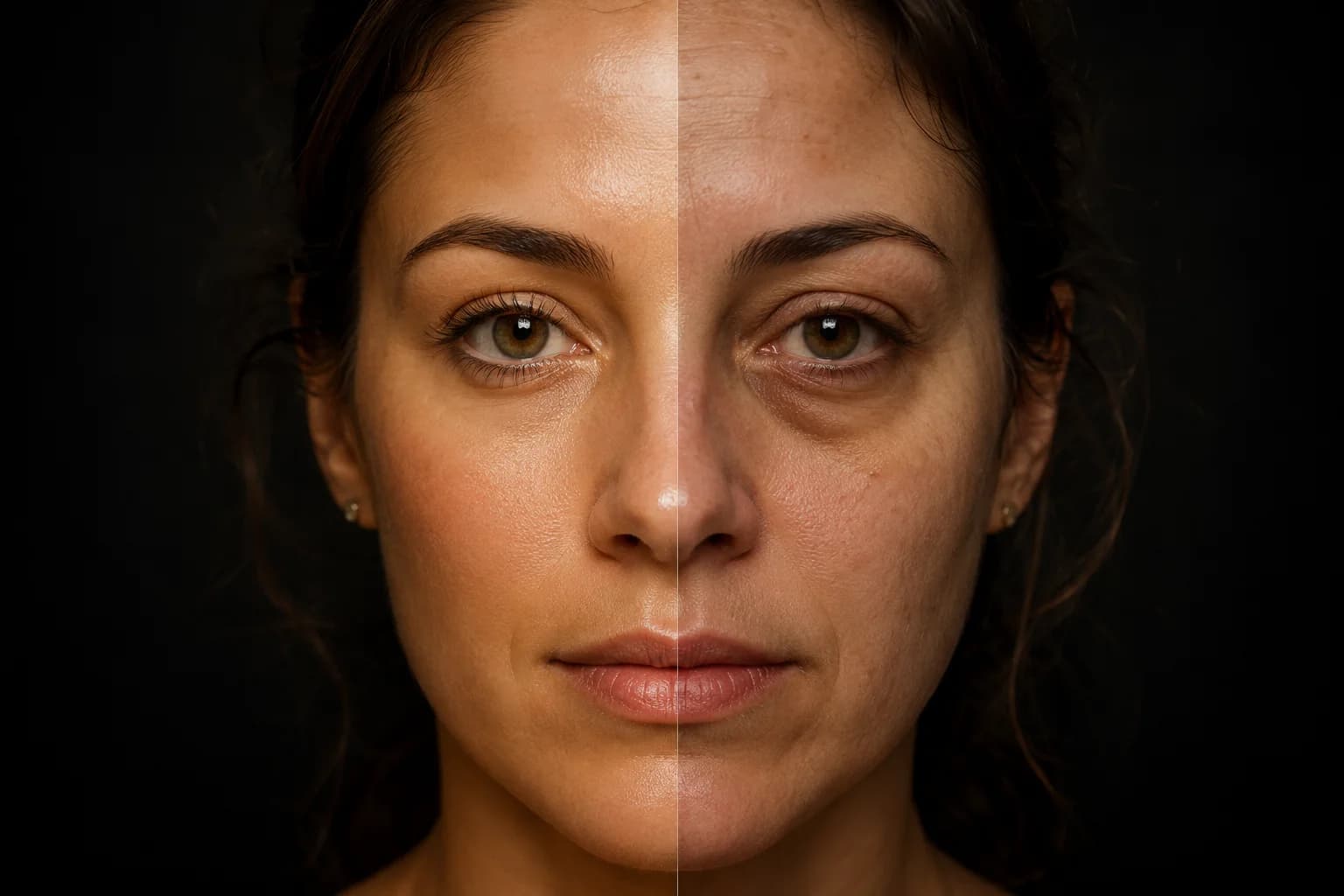
How Lack of Sleep Ages Your Face (And How Quickly It Happens)
May 2026 · 7 min read
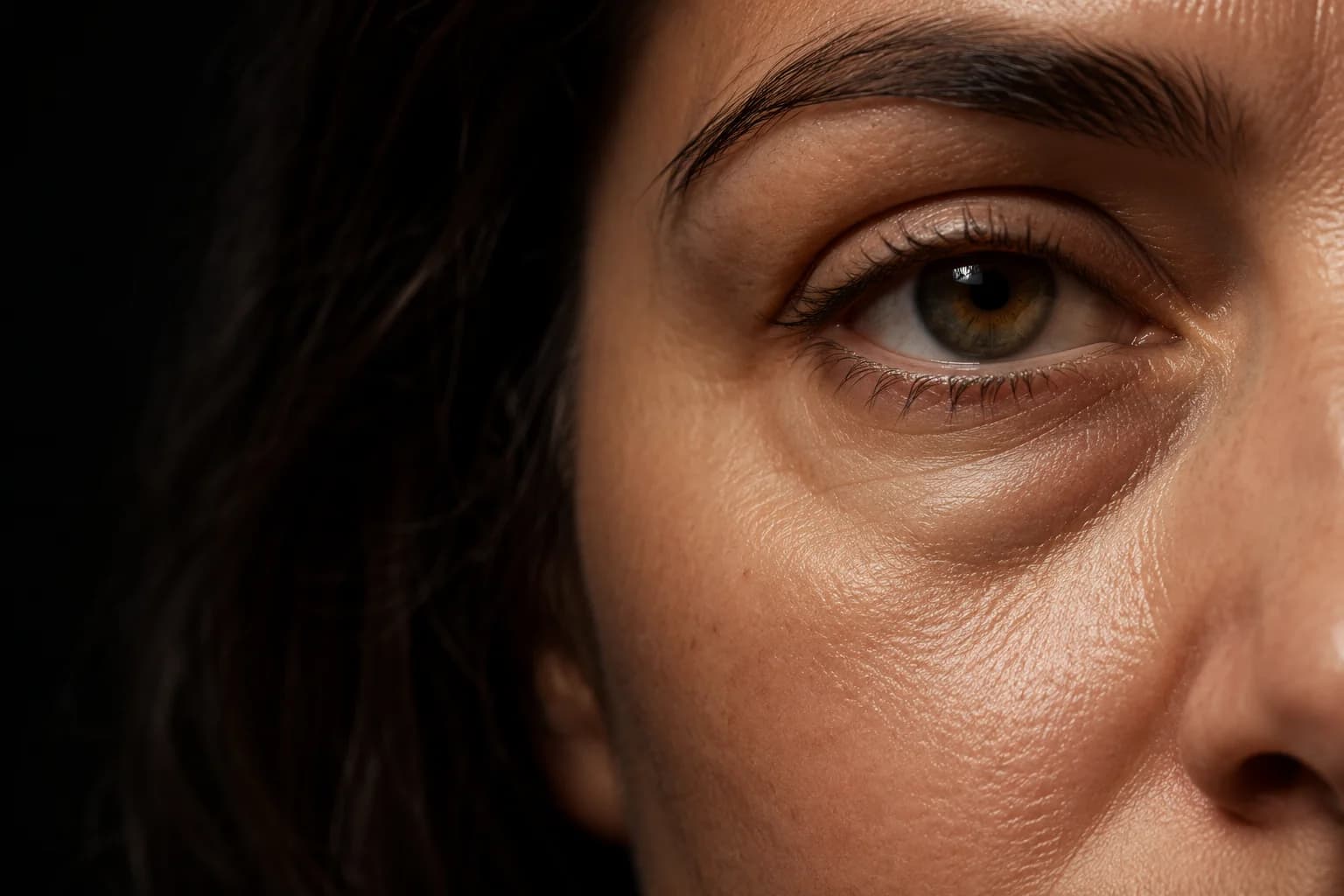
What Causes Eye Bags and How Do They Make You Look Older?
May 2026 · 6 min read
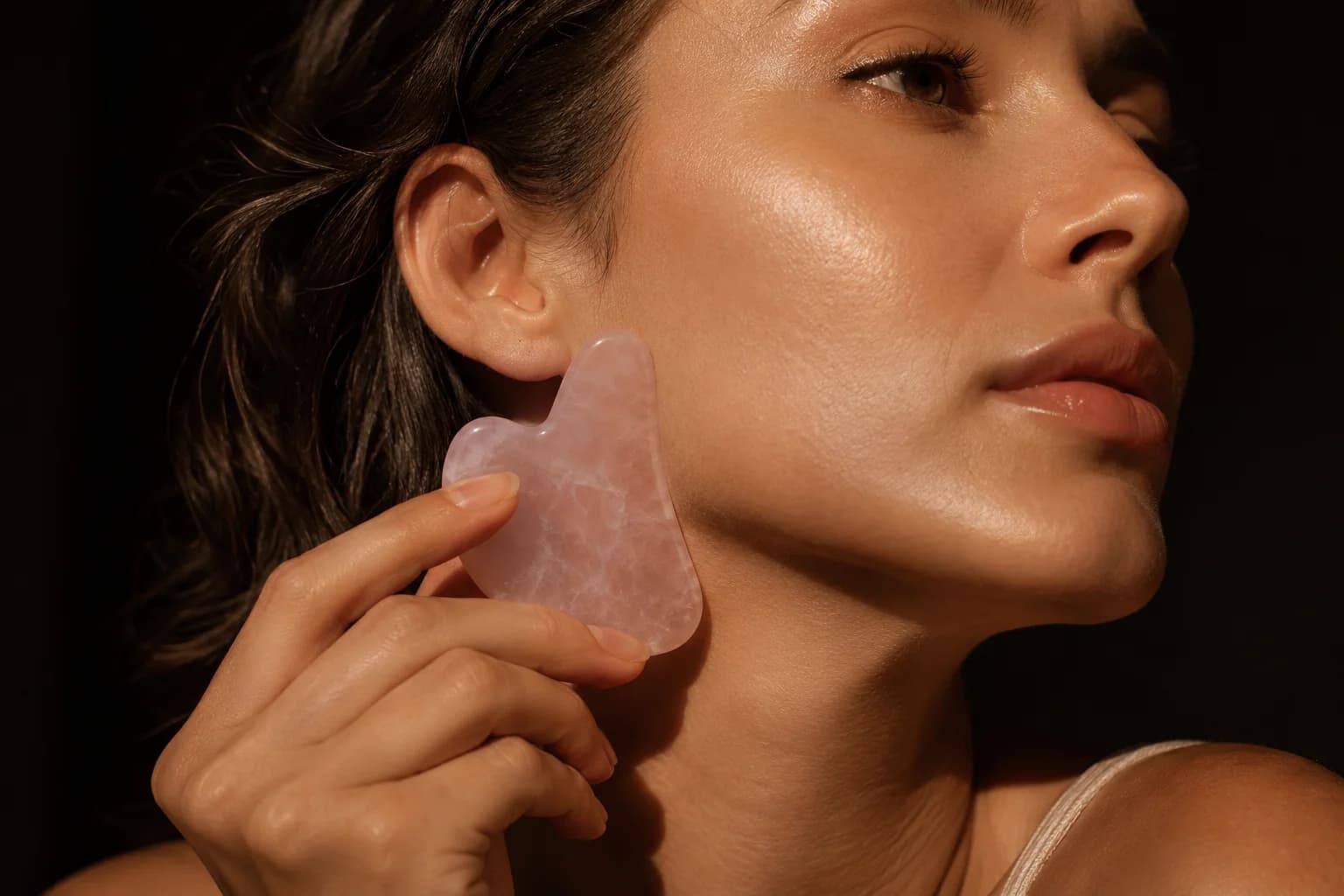
Gua Sha: Does It Actually Sculpt Your Face?
May 2026 · 6 min read

Are Dark Circles Genetic? What Science Says
May 2026 · 6 min read