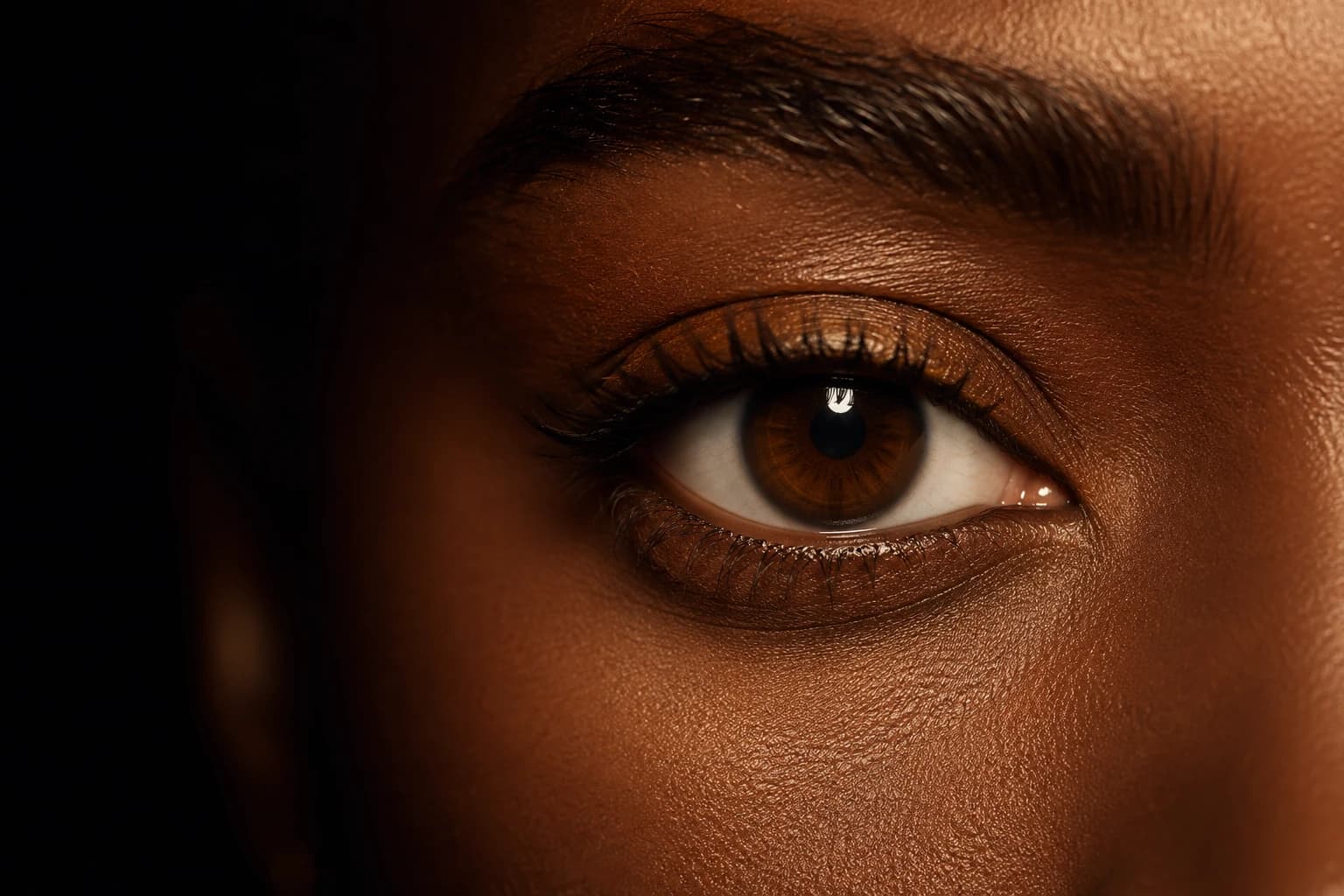
Types of Eye Shapes: Which Is Most Attractive?
Understanding the different types of eye shapes is the first step toward knowing how to enhance your most expressive feature. There are seven recognised eye shapes in facial analysis — almond, round, monolid, hooded, downturned, upturned, and deep-set — and each has its own structural strengths and ideal enhancement strategies. Far from ranking one as definitively superior, research shows that attractiveness perceptions vary by culture, context, and the harmony of the overall face.
The 7 Types of Eye Shapes Explained
Almond eyes are the most commonly cited reference shape — they have a slightly pointed inner and outer corner with the iris touching both the upper and lower lid, creating a balanced, oval outline. Round eyes show more of the iris at the top and bottom, with a visible white sclera above or below the iris. They create an open, expressive appearance and are associated with youth because the sclera-to-iris ratio tends to be higher. Monolid eyes have no visible crease in the upper eyelid, creating a smooth, sleek lid platform that is particularly common in East Asian populations.
Hooded eyes have a fold of skin that drapes over the crease, partially or fully obscuring the eyelid platform. The crease exists structurally but is hidden when the eye is open. Downturned eyes have outer corners that angle downward relative to the inner corner, creating a softer, more melancholic silhouette. Upturned eyes are the opposite — the outer corner sits higher than the inner, producing the feline or cat-eye silhouette that is heavily sought after in modern beauty culture. Deep-set eyes sit further back in the orbital socket behind a prominent brow bone, creating natural shadow and intensity.
Identifying your type requires looking at three reference points: where your outer corner sits relative to your inner corner (up, level, or down), whether a crease is visible when your eyes are open, and whether the iris touches both lids or shows white sclera. A mirror at eye level with neutral lighting is ideal. Many people have hybrid types — for example, almond-shaped with a slight hood — and this combination is extremely common, particularly as the upper eyelid changes with age.
| Eye Shape | Key Structural Feature | Population Frequency | Perceived Quality |
|---|---|---|---|
| Almond | Pointed corners; iris touches both lids | Most common reference type | Balanced, classic |
| Round | Visible sclera above or below iris | Common across all populations | Open, expressive, youthful |
| Monolid | No visible crease; smooth lid platform | Predominant in East Asian populations | Sleek, graphic |
| Hooded | Skin fold drapes over crease when open | Common; frequency increases with age | Sultry, mature |
| Downturned | Outer corner lower than inner corner | Less common | Soft, gentle |
| Upturned | Outer corner higher than inner corner | Less common | Feline, lifted |
| Deep-set | Eye recessed behind prominent brow bone | Less common | Intense, shadowed |
What Eye Shape Is Considered Most Attractive?
Research consistently highlights almond eyes and upturned eyes as the shapes rated most attractive in Western beauty surveys, but the gap between shapes is smaller than popular media suggests. A 2023 survey by contact lens brand MyLumineyes found that almond eyes were selected as most attractive by 31% of respondents, followed by upturned at 22% and round at 18%. The critical caveat: these results shift significantly by cultural background. In East Asian populations, larger-appearing round or monolid eyes score highest on attractiveness ratings.
The evolutionary explanation centres on symmetry and distinctiveness. Almond eyes score well partly because they are the reference shape against which other types are measured — they are associated with facial symmetry, which is itself a proxy for genetic health in evolutionary attractiveness research. Upturned eyes score well because the positive canthal tilt (outer corner higher than inner) is associated with youth and feline intensity — a combination that reads as both vital and sharply attractive. The so-called 'fox eye' aesthetic that became dominant in the 2020s is a deliberate attempt to exaggerate this upward outer corner angle.
Importantly, the shape alone does not determine attractiveness. Facial harmony research consistently shows that any eye shape becomes more attractive when it is proportionate to the rest of the face. A round eye on a wide face with balanced brows and cheekbones scores higher than an almond eye on a face with poor overall proportions. The eye shape is one variable in a multi-feature system — which is exactly what our AI face rater is designed to assess holistically.
To check your canthal tilt — which dramatically affects how your eye shape is perceived — draw an imaginary line from your inner corner to your outer corner. If it tilts upward, you have a positive canthal tilt (upturned). If it tilts downward, you have a negative canthal tilt (downturned). Level is neutral.
How Eye Shape Interacts With Brow Shape and Face Structure
Your eye shape does not exist in isolation — it is always read alongside your brow shape, the distance between your eyes, and the overall geometry of your face. A strong, arched brow above a round eye creates a more dramatic impression than the same round eye with a flat brow. Conversely, a heavy horizontal brow above an already deep-set eye can amplify the hooded effect and make the eye appear smaller. The brow-to-eye ratio is one of the most important variables in how your eyes are perceived.
Wide-set eyes (with more than one eye-width of space between them) tend to look better with brows that are set further apart and with inner-corner eye makeup kept light. Close-set eyes benefit from emphasis at the outer corner and brow tails extended slightly beyond the natural endpoint. These adjustments are not about 'correcting' your eye shape — they are about using light and shadow to create the most harmonious version of the features you have, in the same way a portrait photographer uses lens choice and positioning.
The face shape also matters. Almond eyes are considered the most universally flattering shape because their proportions complement most face shapes. Round eyes can overwhelm very round or heart-shaped faces if enhanced with large, open liner looks. Downturned eyes often pair beautifully with oval and oblong faces where the horizontal softness balances vertical length. Upturned eyes on a square face create a pleasing tension between the angular jaw and the lifted outer corner.
Advertisement
Makeup Techniques by Eye Shape
Almond eyes are the baseline shape that most makeup tutorials are designed for, which means standard liner and shadow techniques work without modification. To enhance, tightline the upper waterline and apply a medium eyeshadow to the crease, blending upward. For round eyes, the goal is usually to elongate: apply darker shadow and liner to the outer third of the eye and extend the liner slightly at the outer corner in an upward angle. Avoid heavy liner on the lower inner corners, which will make the eye appear rounder.
Hooded eyes require a different approach because standard crease placement disappears when the eye is open. The technique is to apply shadow higher than where the crease is when the eye is closed — essentially drawing the shadow where you want it to appear when the eyes are open and the fold is visible. Monolid eyes benefit enormously from graphic liner and bold shadow on the lid itself, since there is more unbroken surface area to work with. Downturned eyes respond well to upswept liner at the outer corner to counter the downward pull — a classic technique to create the illusion of lift.
For deep-set eyes, light reflective shadow on the lid reduces the brow bone shadow that naturally falls across the eyelid. Upturned eyes are already close to the sought-after fox-eye silhouette, so enhancing the outer corner with a subtle flick of liner amplifies the effect. The smize technique — engaging the lower lid muscles for an expressive gaze — works for any eye shape and dramatically changes how the entire eye reads in photos and in person.
How to Identify Your Eye Shape and Rate Your Features
The most reliable way to identify your eye shape is to photograph yourself from directly in front with a neutral expression and light at eye level — not from above, which creates shadows that alter how the eye appears. Look at the outer corner first: does it tilt up, sit level, or tilt down? Then look at the upper lid: is there a visible crease? Does the skin sit above the crease or cover it? Finally, check whether the iris touches both the upper and lower lid or whether you see a thin strip of white sclera above or below.
Most people discover they are a hybrid type. The most common combinations are hooded-almond (an almond base with the skin beginning to fold over the crease), upturned-almond, and deep-set with either an almond or downturned base. The hybrid designation is not a problem — it simply means you draw from two sets of enhancement techniques, prioritising whichever characteristic is more dominant.
If you want an AI-powered read on your eye shape and how it contributes to your overall facial attractiveness score, use our face rater below. The tool analyses your eye shape in the context of your full facial geometry — brow position, eye spacing, facial symmetry, and golden ratio proportions — and gives you a detailed breakdown of your strongest features.
Run our AI face rater at /rate-my-face for a full eye shape and facial harmony analysis.
Frequently Asked Questions
What is the most attractive eye shape?
Almond eyes are most frequently cited as the most attractive eye shape in Western surveys, followed by upturned eyes. However, research shows attractiveness perception varies significantly by culture and is heavily influenced by the overall harmony of the face. Any eye shape can be attractive in the right facial context.
How do I know what eye shape I have?
Look at your outer corner — does it tilt up, sit level, or tilt down? Check whether your upper eyelid shows a visible crease. Determine if the iris touches both lids or shows white sclera. Most people are a hybrid type; photograph yourself straight-on with neutral lighting for the most accurate assessment.
Are upturned eyes attractive?
Yes — upturned eyes, where the outer corner sits higher than the inner corner, are consistently rated as highly attractive because the positive canthal tilt is associated with youth, vitality, and the feline aesthetic. The 'fox eye' trend is specifically designed to mimic this shape.
What is the rarest eye shape?
Downturned eyes and deep-set eyes are among the less common configurations. The combination of a true monolid with very round eyes is also relatively rare outside of certain ethnic populations. No single shape is definitively the rarest globally, as distributions vary significantly by ethnicity and region.
Can my eye shape change over time?
Yes. As we age, the upper eyelid skin loses elasticity and can begin to fold over the crease, converting almond or upturned eyes progressively toward a hooded appearance. Loss of orbital fat can also make eyes appear more deep-set. These are gradual changes and can be addressed with both topical treatments and makeup technique adjustments.
Lena Whitmore
Science Writer · Facial Analysis & Appearance Psychology
Lena covers the science of smiles, facial aging, and AI-powered biometrics. She writes evidence-based guides grounded in peer-reviewed research, with a focus on making appearance science accessible and actionable. All tools on Smile Tracker run locally in your browser — your photo is never uploaded anywhere.
Put it to the test
See your results with AI
Upload a photo and get your AI facial proportion analysis, symmetry measurement, and feature breakdown — free, private, instant.
Analyse My Face Free →Advertisement
Sources
Related reading
Hooded Eyes: Are They Attractive and What Do They Communicate?
May 2026 · 6 min read
What Is Canthal Tilt and Does It Affect How Attractive Your Eyes Look?
May 2026 · 6 min read
Fox Eyes: The Science Behind the Lifted, Almond Eye Look
June 2026 · 7 min read
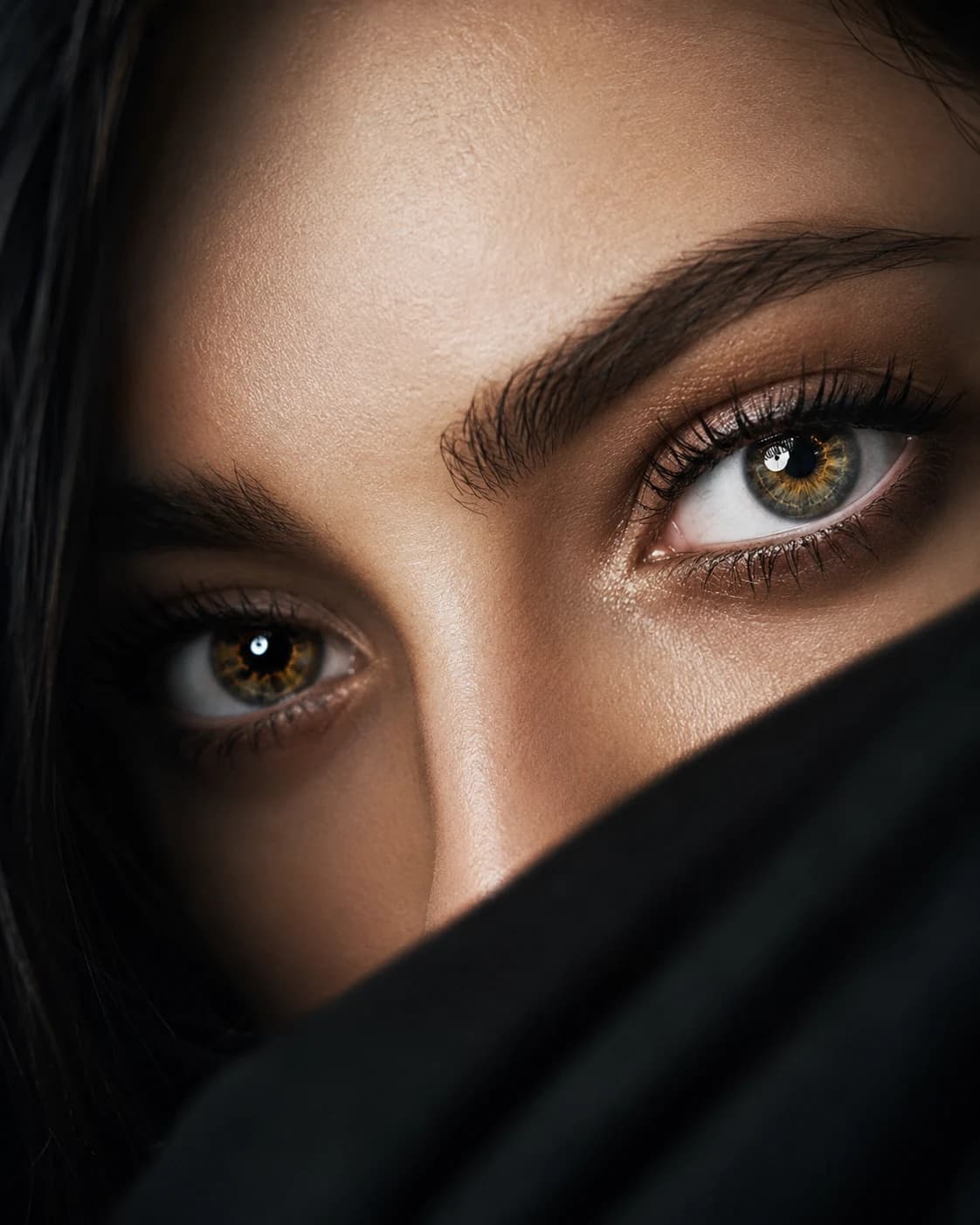
Doe Eyes: What Makes Eyes Look Wide, Soft, and Feminine
June 2026 · 7 min read
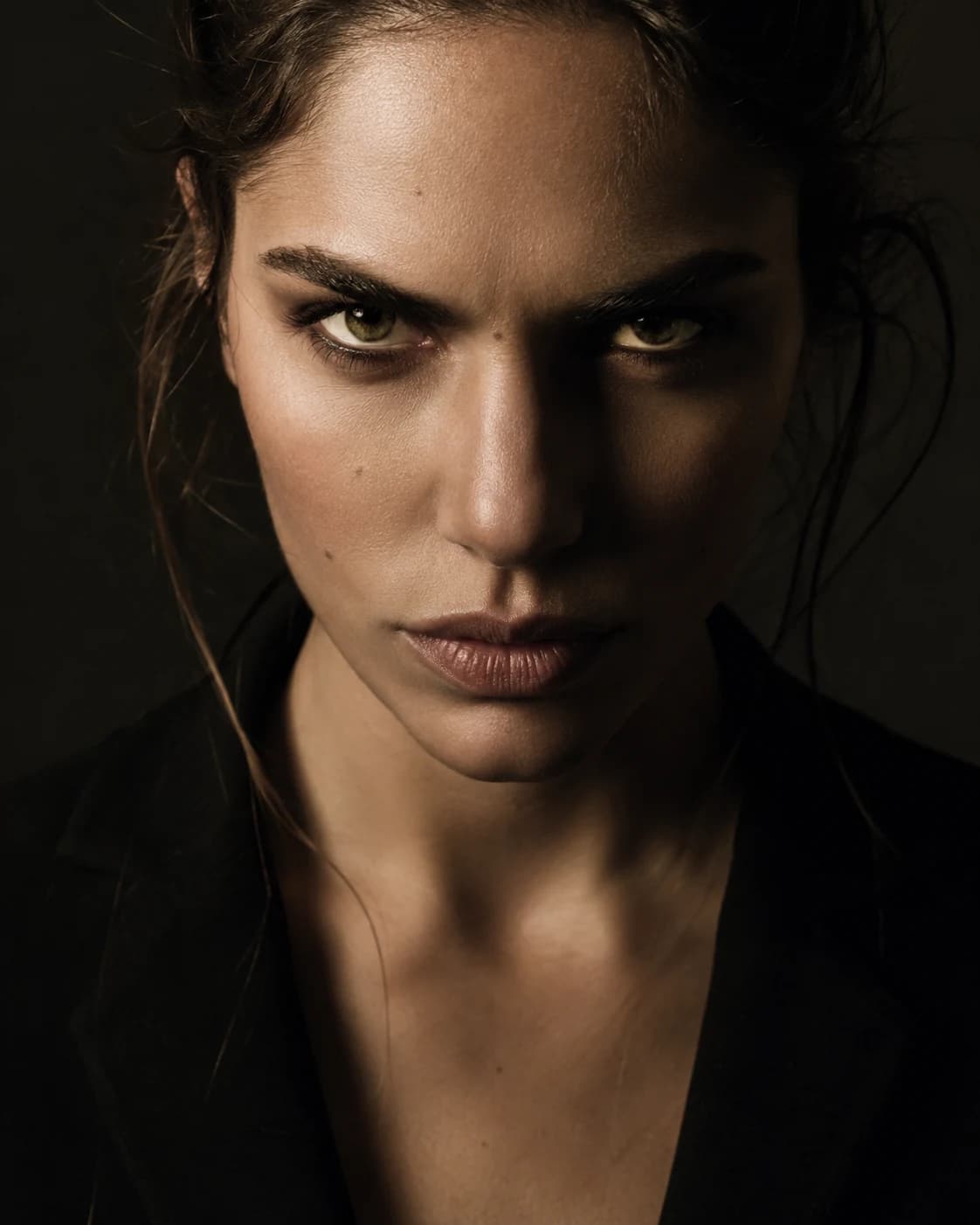
Deep Set Eyes: What They Are and Why They Look So Intense
June 2026 · 7 min read
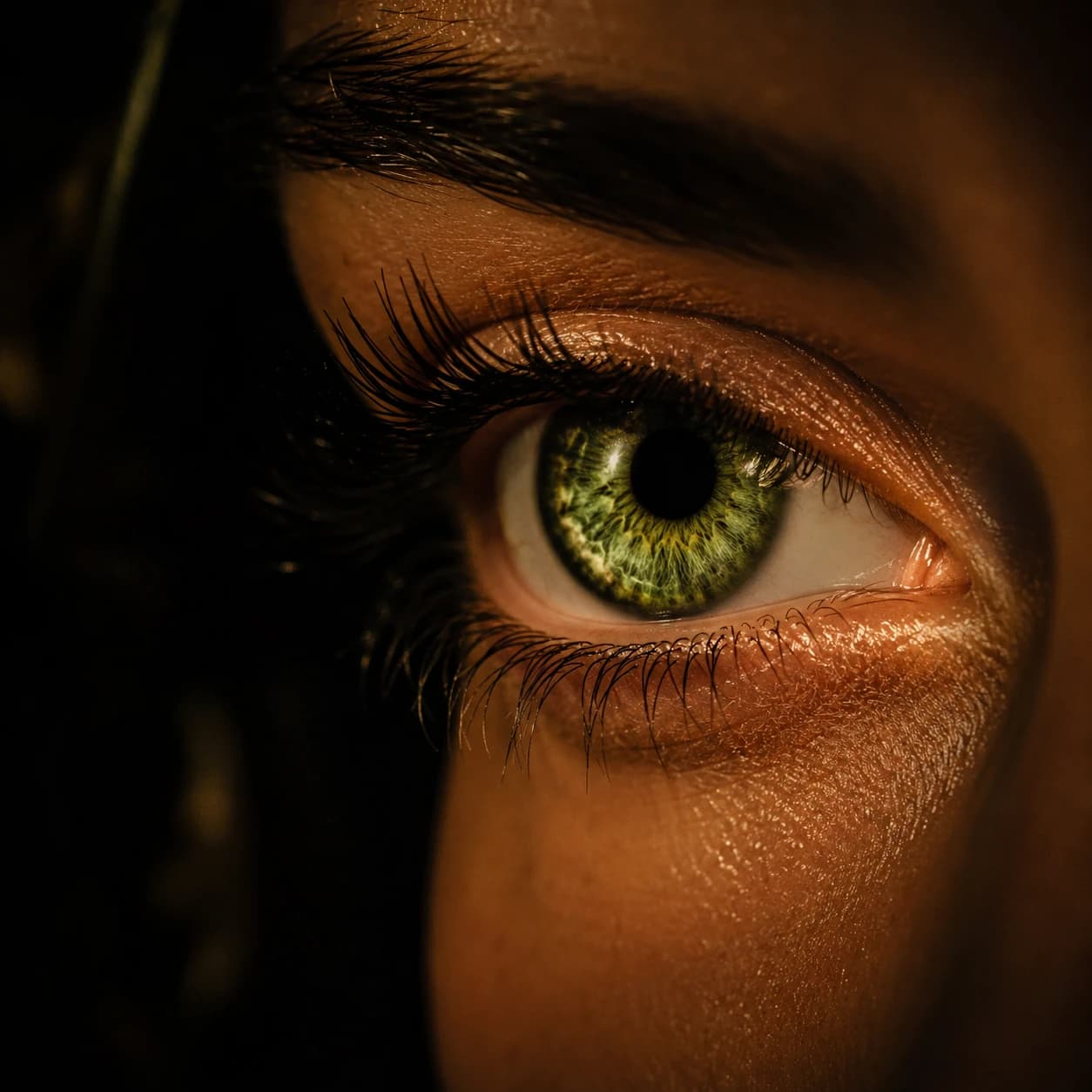
Eye Colour and Perceived Attractiveness: What Research Actually Shows
June 2026 · 8 min read
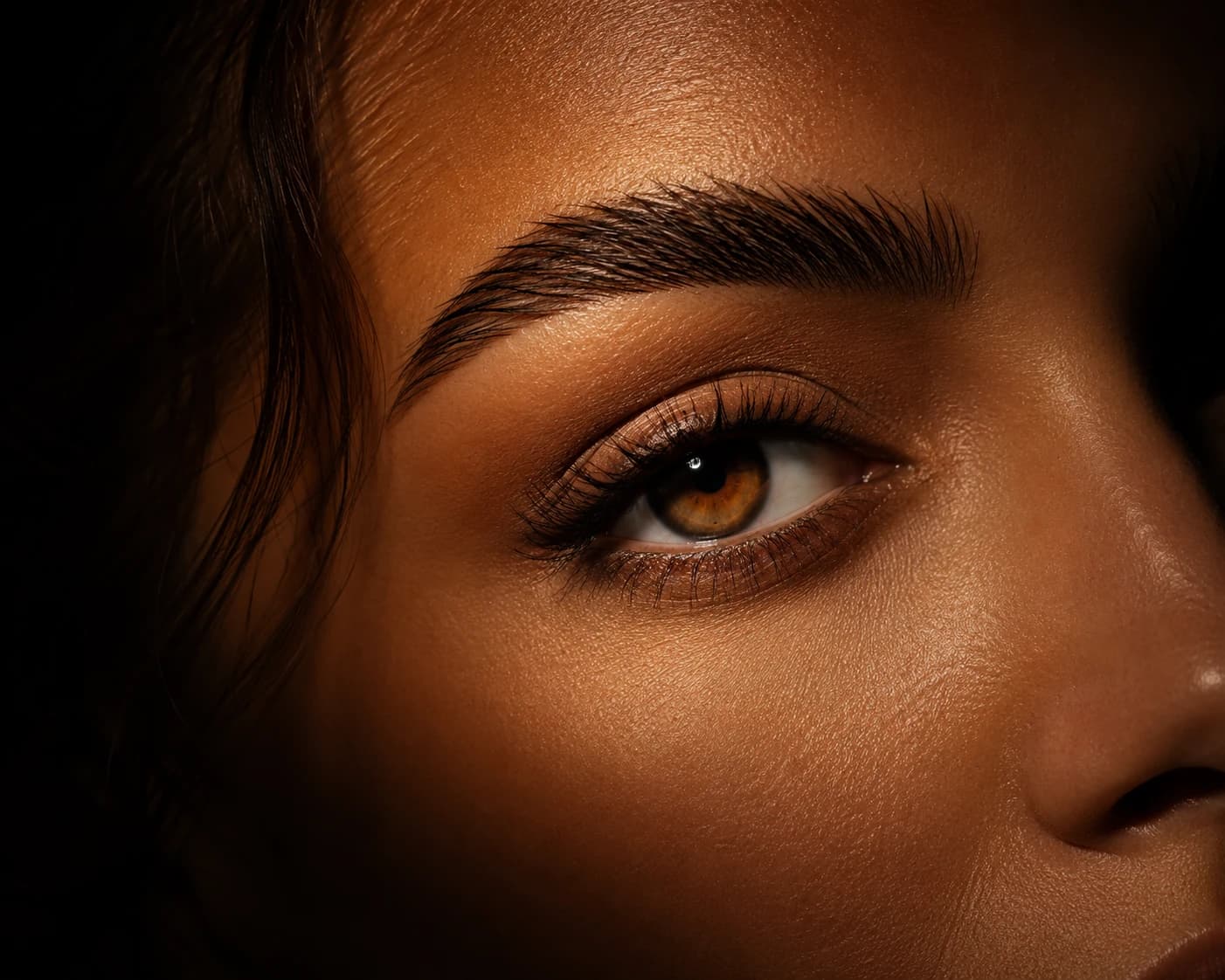
Best Eyebrow Shape for Your Face: The Complete Guide
June 2026 · 9 min read