
Facial Massage for Lifting and Glow: Benefits and Techniques
Facial massage benefits extend significantly beyond the relaxation that most people associate with a spa experience — consistent, correctly performed facial massage has been shown to improve lymphatic drainage, increase cutaneous blood flow, reduce inflammatory puffiness, and may modestly stimulate fibroblast activity and collagen production. Done daily in 5–10 minutes, it is one of the most accessible skincare practices with a strong supportive evidence base. The critical qualifier is technique: poorly executed facial massage (particularly rubbing or pulling the skin in the wrong direction) can accelerate sagging rather than counteract it.
This article is for informational and educational purposes only and does not constitute medical, dermatological, or psychological advice. Consult a qualified professional before making changes to your health or skincare routine.
What Facial Massage Actually Does to Your Skin
Facial massage primarily operates through three mechanisms: mechanical stimulation of fibroblasts, improvement of cutaneous microcirculation, and promotion of lymphatic drainage. A 2017 study by Caberlotto et al. found that consistent facial massage with a roller device produced significant increases in skin elasticity and dermal density over an 8-week period — results attributed to the mechanical stress triggering fibroblast collagen production, the same principle underlying microneedling. The stimulation is less intense than needling but is entirely non-invasive and can be performed daily without recovery time.
Blood flow to the skin delivers oxygen and nutrients to fibroblasts and other skin cells, supporting their metabolic activity. Research by Miyaji et al. (2018) demonstrated that 5 minutes of facial massage significantly increased cutaneous blood flow velocity, and this effect was sustained for several minutes post-massage. Improved blood flow temporarily gives the skin a pink, luminous quality — the 'glow' effect that people often report immediately after facial massage — but the sustained benefit comes from consistently supplying the dermis with the nutrients it needs for ongoing collagen production.
Lymphatic drainage is the mechanism most relevant to facial puffiness. The lymphatic system has no pump of its own — it relies on muscular movement and external pressure to move lymph fluid toward the lymph nodes. Facial massage using light, directional strokes toward the lymph node clusters (in front of the ears, below the jawline, and in the neck) actively moves stagnant lymph fluid, reducing the fluid retention that causes facial puffiness. This effect is visible and relatively rapid — morning facial massage for puffiness shows results within 10–15 minutes.
| Benefit | Mechanism | Visible Result | Time to See |
|---|---|---|---|
| Reduced puffiness | Lymphatic drainage toward nodes | Slimmer, less swollen face | 5–15 minutes |
| Improved glow | Increased cutaneous blood flow | Pink, radiant skin tone | During and after massage |
| Firming (long-term) | Fibroblast mechanical stimulation | Improved skin elasticity | 4–8 weeks consistent use |
| Product absorption | Vasodilation and mechanical pumping | Better serum penetration | Immediate |
| Muscle relaxation | Releases tension in facial muscles | Softer, less clenched appearance | During and after massage |
The Most Effective Facial Massage Techniques
The foundational rule of facial massage is directionality: always massage upward and outward, never downward. Downward movements follow the direction of gravity and do not counteract the descent of soft tissue over time. Upward and outward movements work against gravitational descent and support the lymphatic flow toward nodes located at the lateral face and neck. Begin every facial massage session by sweeping from the centre of the face outward along the jawline, then upward along the cheeks and temples. This establishes the drainage pathway before more targeted work.
For lymphatic drainage specifically, the pressure should be surprisingly light — heavier than a feather touch but lighter than you'd expect. The lymph vessels sit just beneath the skin surface, and heavy pressure collapses them rather than moving fluid through them. Use the flat of the fingers (not the fingertips) in slow, rhythmic sweeping movements. Work from the centre of the face outward, then sweep from the face down the neck toward the collarbone where the thoracic lymph duct drains — completing the circuit prevents fluid from backing up in the neck region.
For firming and circulation, the pressure can be moderate and the technique more varied: kneading movements on the cheeks, knuckle rolling along the jawline, and gentle pinching along the brow all activate different layers of soft tissue and generate the mechanical stimulation that encourages fibroblast activity. Jade rollers and rose quartz rollers deliver this stimulation more consistently than hands because their weight provides even pressure without the fatigue of manual technique. Refrigerating the roller adds a vasoconstriction effect that reduces puffiness on contact.
Perform facial massage before applying your serum, not after. The increased blood flow from massage improves transdermal delivery of active ingredients — your hyaluronic acid or vitamin C serum absorbs more effectively into skin that is warmed and vasodilated from massage.
Facial Massage for Specific Concerns
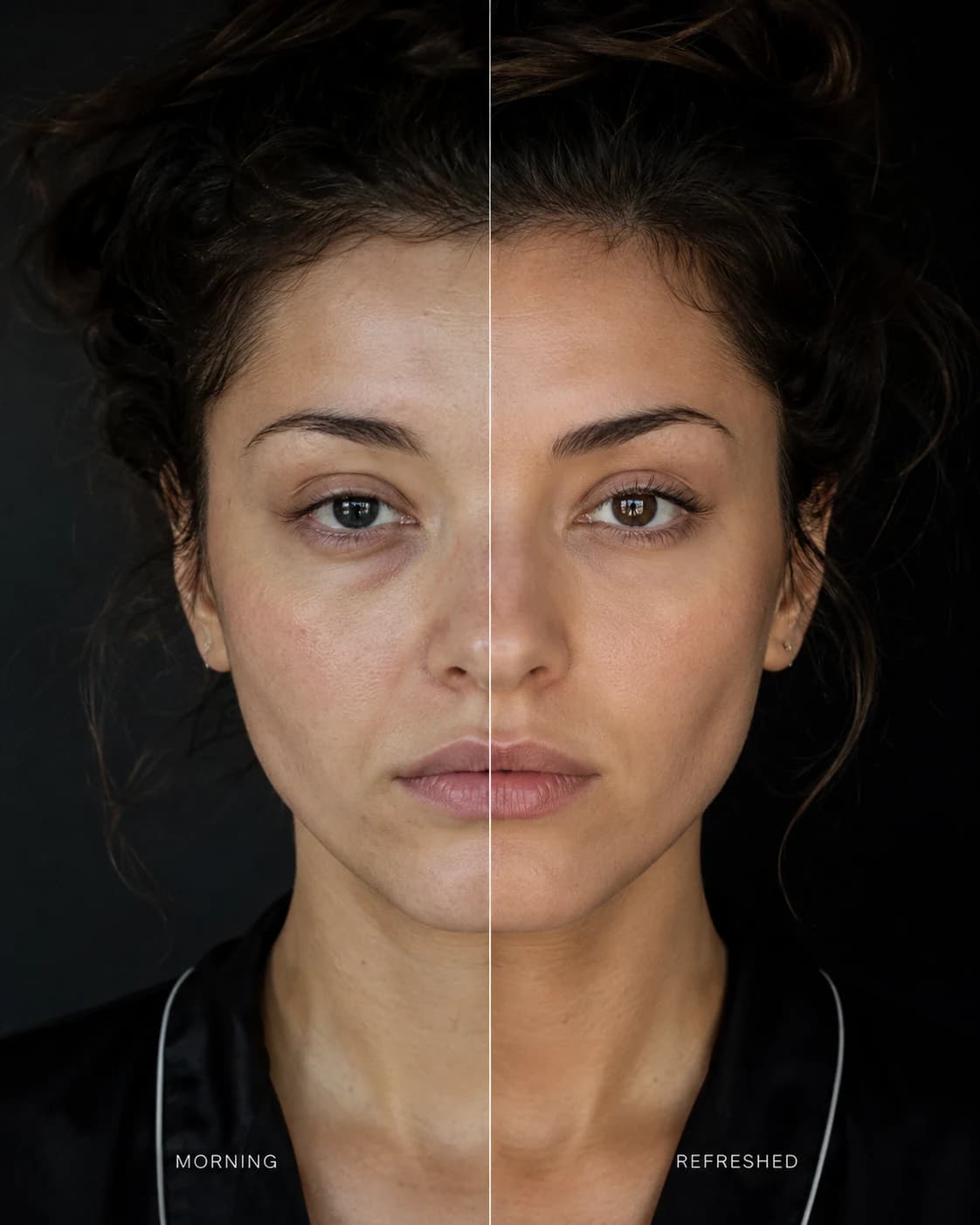
For morning puffiness (most common cause: lying horizontal for hours, allowing fluid to pool in the face): focus on lymphatic drainage movements along the jawline, around the eyes, and down the neck. This can reduce visible morning puffiness within 10–15 minutes. Ice globes or a chilled jade roller amplify this effect — the cold causes vasoconstriction that physically squeezes fluid out of the capillary beds and into the lymphatic system. Cold water applied to the face has a similar (though less potent) effect for those without tools.
For jawline definition: firm, upward kneading movements along the masseter muscle and jaw can, over time, contribute to a slightly more defined jawline by improving muscle tone and reducing the soft tissue puffiness that blurs the jaw border. This is a modest effect and does not change bone structure, but combined with facial drainage massage, it produces a visible improvement in jaw sharpness. The masseter muscle responds to manipulation in a similar way to other muscles — consistent targeted stimulation keeps it firmer and more delineated.
For nasolabial fold and cheek descent: upward massage movements specifically targeting the medial cheek — pushing tissue upward from beside the mouth toward the temples — counteract the gravitational descent of the cheek fat pad that drives nasolabial fold deepening. Studies on facial massage for anti-aging specifically target this movement pattern. It does not replace filler for deep existing folds, but as a prevention and maintenance practice it has meaningful support. Use a facial oil with slip to prevent skin dragging during these longer-stroke movements.
Advertisement
Facial Massage Tools: What Works and What Doesn't
Jade rollers and rose quartz rollers provide even, consistent pressure without manual fatigue and can be refrigerated for added lymphatic benefit. Their main limitation is that they only roll in one direction and cannot perform the kneading or pinching movements that hands can. They are best used for the drainage phase of a facial massage routine — sweeping strokes from the centre outward — rather than as a replacement for the full range of hand techniques. The material of the roller (jade vs. quartz vs. stainless steel) makes no functional difference; the shape, weight, and ability to be cooled are what matter.
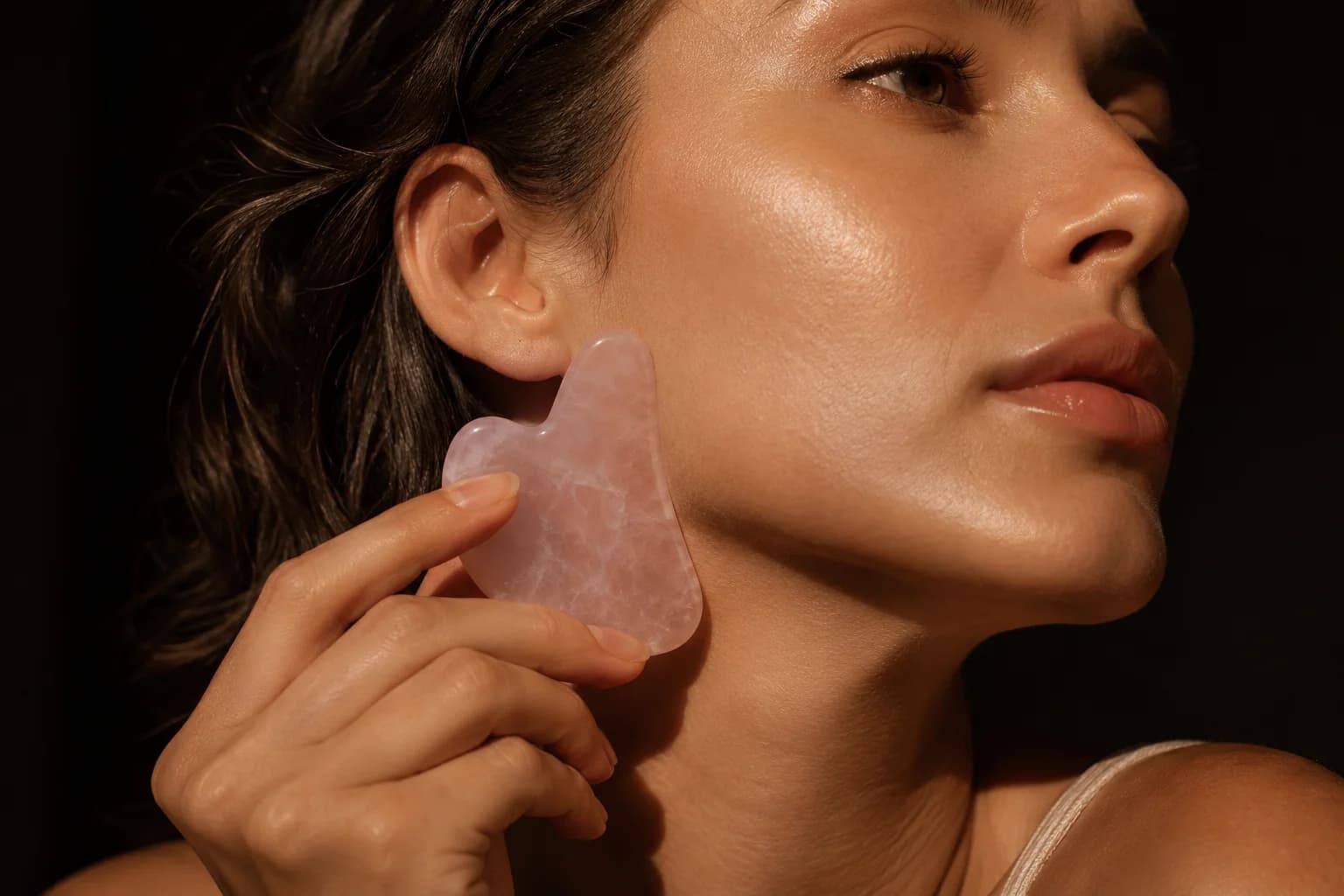
Gua sha tools (traditionally jade or bian stone) allow more varied pressure and angle than rollers, making them more versatile for targeting specific facial regions. The flat edge is used for sweeping broad areas (cheeks, forehead), the curved edge for contouring (jawline), and the pointed edge for targeted pressure (brow area, temples). Gua sha requires a slip product (oil or serum) on the skin and correct technique — it should never be used on broken skin, active acne, or areas with capillary fragility.
Microcurrent devices (such as NuFACE) use low-level electrical current to stimulate the facial muscles, producing a cumulative lifting and firming effect distinct from mechanical massage. Randomised trials demonstrate facial muscle tone improvement with consistent use. These devices are significantly more expensive than rollers or gua sha tools but operate on a different mechanism (neuromuscular stimulation vs. lymphatic and circulatory stimulation) and produce results that mechanical massage cannot replicate. They are the highest-evidence consumer-facing facial technology.
How Facial Massage Affects Your Overall Face Rating
Facial massage produces both immediate and cumulative changes to facial appearance. Immediately post-massage, the improved circulation creates a luminous, even skin tone; the drainage reduces puffiness that blurs facial structure; and muscle relaxation softens habitual tension expressions that contribute to a tired or stressed appearance. These acute effects can meaningfully improve how you photograph and present in-person, making a 5-minute pre-event massage a practical beauty tool.
Over the long term (4–12 weeks of daily practice), the firming and collagen-stimulation effects produce cumulative improvements in skin density and elasticity. These changes are subtle month-to-month but significant year-over-year — particularly when combined with a complete skincare routine that includes retinoids and SPF. Facial massage is best understood as a compounding practice: the daily dose is small, but the compound effect over years is meaningful.
Our AI face rater at /rate-my-face assesses overall facial appearance including skin quality, structural definition, and feature harmony — all of which facial massage supports over time. If you've been practising consistent facial massage, use the tool to get a baseline score, then test again after 8 weeks to see how your results are progressing. The tool gives you a calibrated read on which aspects of your appearance are improving and which might benefit from additional attention.
Frequently Asked Questions
Does facial massage really work?
Yes — for specific outcomes. Clinical studies confirm that facial massage improves cutaneous blood flow, promotes lymphatic drainage (reducing puffiness), and with consistent practice over 4–8 weeks, produces measurable improvements in skin elasticity and density. It is not a substitute for retinoids, SPF, or professional treatments, but it is a meaningful supportive practice with strong evidence.
How often should I do facial massage?
Daily facial massage (5–10 minutes) is ideal for lymphatic drainage and circulation benefits. Fibroblast stimulation for long-term collagen benefits requires consistent mechanical stimulus, so daily or near-daily practice is preferable to sporadic longer sessions. Even 5 minutes performed consistently every morning before serum application produces significant cumulative benefit.
Can facial massage slim your face?
Facial massage can reduce the appearance of puffiness and fluid retention that contributes to a less defined face — this effect is real and relatively rapid. It cannot reduce facial fat (which requires caloric deficit), change bone structure, or produce the same results as surgical intervention. The slimming effect is primarily from lymphatic drainage and is most visible for people who retain fluid in the face.
Is facial massage good for anti-aging?
Yes, with evidence. Consistent facial massage produces measurable improvements in skin elasticity and density (via fibroblast stimulation), reduces puffiness that accentuates aging features, and the upward directional technique counteracts gravitational soft tissue descent over time. It is most effective as a supportive practice alongside evidence-based topicals (retinoids, vitamin C, SPF) rather than as a standalone anti-aging approach.
Should I use oil for facial massage?
Yes — a slip product (facial oil or a rich serum) is essential when using tools (gua sha, roller) and recommended when using hands for longer-stroke techniques. Without slip, the skin stretches during massage rather than the deeper tissues being mobilised — this can cause surface skin damage over time. Facial oil also adds a layer of antioxidant and emollient benefit during the massage. Apply 3–5 drops and press into the skin before beginning.
Lena Whitmore
Science Writer · Facial Analysis & Appearance Psychology
Lena covers the science of smiles, facial aging, and AI-powered biometrics. She writes evidence-based guides grounded in peer-reviewed research, with a focus on making appearance science accessible and actionable. All tools on Smile Tracker run locally in your browser — your photo is never uploaded anywhere.
Put it to the test
See your results with AI
Upload a photo and get your AI facial proportion analysis, symmetry measurement, and feature breakdown — free, private, instant.
Analyse My Face Free →Advertisement
Sources
Related reading

Does Face Yoga Actually Work? What the Research Says
May 2026 · 7 min read
Gua Sha: Does It Actually Sculpt Your Face?
May 2026 · 6 min read
Puffy Face: Why It Happens and How to Reduce It Fast
June 2026 · 7 min read

Nasolabial Folds: What Causes Smile Lines and How to Reduce Them
June 2026 · 9 min read

How to Improve Skin Texture: The Science-Backed Guide
June 2026 · 9 min read

How to Boost Collagen in Your Face Naturally (7 Proven Methods)
June 2026 · 9 min read