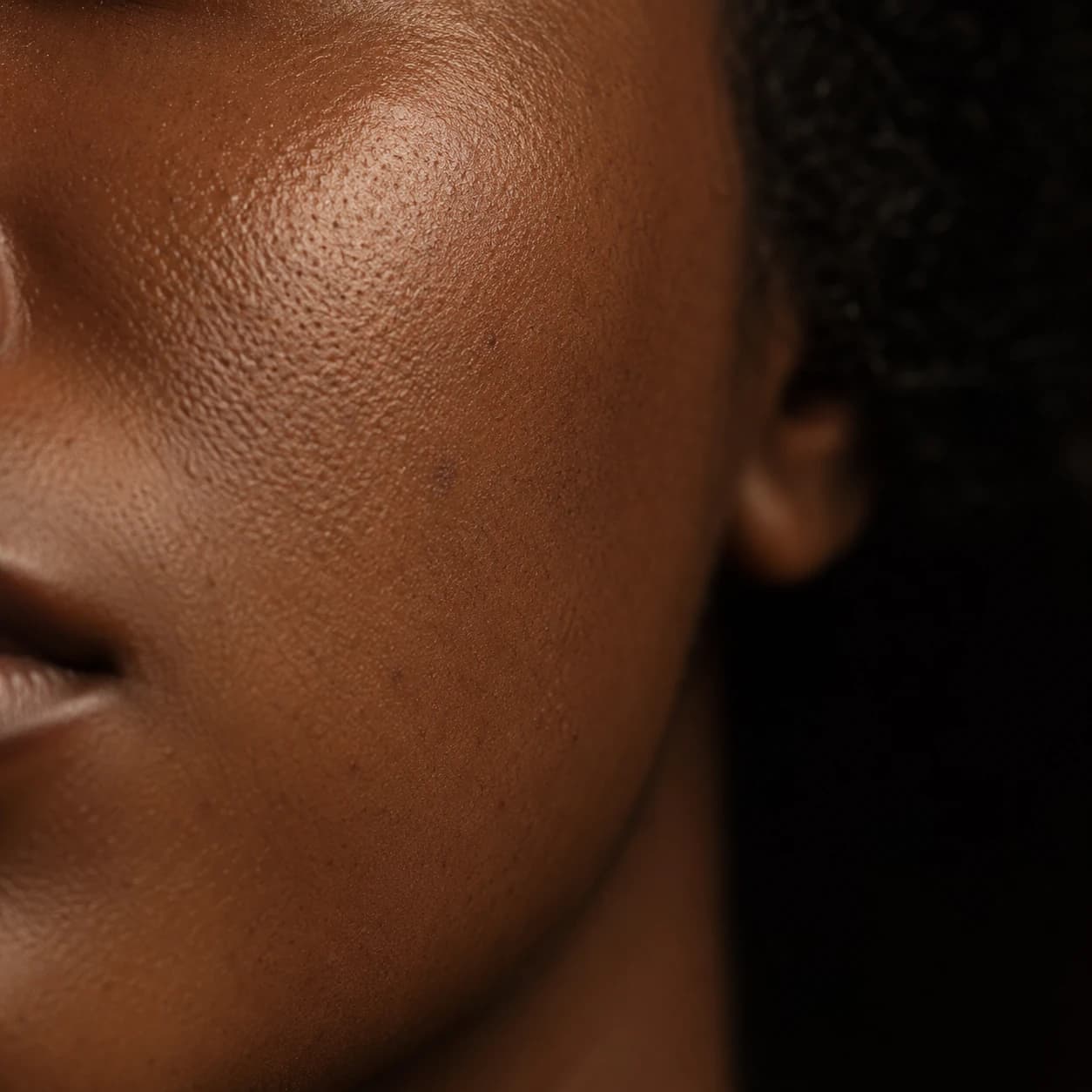
How to Improve Skin Texture: The Science-Backed Guide
Learning how to improve skin texture is one of the highest-return investments in your overall appearance — research by Fink et al. found that skin surface homogeneity (evenness of texture and color) is one of the strongest predictors of perceived facial attractiveness and age, stronger even than individual feature symmetry. Rough, uneven skin texture results from a combination of dead cell accumulation, congested pores, reduced collagen density, and a compromised skin barrier — each of which requires a specific targeted approach.
This article is for informational and educational purposes only and does not constitute medical, dermatological, or psychological advice. Consult a qualified professional before making changes to your health or skincare routine.
What Causes Uneven Skin Texture?
The outermost layer of skin — the stratum corneum — is composed of dead corneocytes that shed in a continuous cycle. When this shedding process slows (as it does with age, dehydration, and hormonal shifts), dead cells accumulate on the surface, creating visible roughness and dullness. The cell turnover rate that takes approximately 14 days in a 20-year-old slows to 28–42 days by the 40s, which is why uneven skin texture becomes progressively more prominent with age even in people with consistent skincare routines.
Enlarged, congested pores are a second major contributor to uneven texture. Pores appear larger when they are filled with oxidised sebum (blackheads), dead skin cells, or when the surrounding skin loses collagen support and the pore walls relax. Pore size is partly genetic (determined by sebaceous gland size), but congestion and collagen loss significantly amplify the visible size of whatever pores you were born with. Proper cleansing and exfoliation reduce the congestion component; collagen support addresses the laxity component.
Collagen density in the dermis is the structural foundation of smooth surface texture. As collagen decreases from the mid-twenties onward, the dermis becomes thinner and less able to support a smooth epidermal surface above it. The result is a subtle but pervasive unevenness — the skin surface develops micro-topography that catches light differently across the face, creating the appearance of rough or tired skin even without specific lesions. This dermal component requires active collagen-building ingredients, not just surface-level exfoliation.
| Cause | Primary Fix | Timeline to See Results | Best Ingredient |
|---|---|---|---|
| Dead cell buildup | Chemical exfoliation | 1–2 weeks | AHA (glycolic, lactic acid) |
| Congested pores | BHA + niacinamide | 4–6 weeks | Salicylic acid 2% |
| Collagen loss | Retinoids + peptides | 3–6 months | Tretinoin / retinol |
| Barrier damage | Ceramide moisturiser | 1–3 weeks | Ceramides + niacinamide |
| Sebum overproduction | Niacinamide + zinc | 4–8 weeks | Niacinamide 10% |
Chemical Exfoliation: The Fastest Route to Smoother Skin
Chemical exfoliants dissolve the bonds holding dead cells on the skin surface without the mechanical abrasion of physical scrubs, which can create micro-tears in the skin and worsen texture in sensitive skin types. Alpha hydroxy acids (AHAs) — glycolic, lactic, and mandelic acid — are water-soluble and work on the skin surface. Glycolic acid has the smallest molecular weight and penetrates most deeply; lactic acid is more hydrating and better tolerated; mandelic acid is the gentlest and suits sensitive or acne-prone skin.
Beta hydroxy acid (BHA — salicylic acid) is oil-soluble, which means it penetrates into the pore lining and dissolves the sebum and dead cells that cause congestion. It is the most important exfoliant specifically for pore-related texture because it addresses the congestion inside the pore rather than just the surface. A 2% BHA applied two to three times weekly produces visible pore clarity improvement within 4–6 weeks. It also has anti-inflammatory properties that reduce the redness often associated with textured skin.
Polyhydroxy acids (PHAs) — gluconolactone, lactobionic acid — are the newest generation of chemical exfoliants. They have a larger molecular weight than AHAs, which means they penetrate more slowly and produce less irritation while delivering comparable exfoliation. They also have humectant properties that hydrate as they exfoliate. PHAs are the best entry point for anyone new to chemical exfoliation or with reactive skin, and they can be used more frequently than AHAs.
Do not combine AHA/BHA with retinoids on the same night — both are active and using them simultaneously increases irritation without increasing benefit. Alternate: exfoliant nights on Monday/Wednesday/Friday, retinoid on Tuesday/Thursday/Saturday.
Retinoids: The Long-Game Texture Transformer
Retinoids (retinol, retinal, tretinoin) are the most evidence-supported category for long-term skin texture improvement because they address the collagen component — not just the surface. Tretinoin (0.025–0.1%), available by prescription in most countries, is the most potent form: it binds directly to retinoic acid receptors in the nucleus of skin cells, upregulating collagen type I production and accelerating cell turnover simultaneously. Clinical trials show statistically significant texture improvement with 6 months of consistent use.
Over-the-counter retinol must be converted to retinoic acid through two enzymatic steps before it can act — making it significantly less potent than tretinoin but more widely accessible and better tolerated. Retinal (retinaldehyde) is one enzymatic step away from retinoic acid and is emerging as the highest-potency OTC retinoid. Start with 0.025% retinol and increase gradually over 3–6 months. Tretinoin users typically tolerate a full-face application nightly after 8–12 weeks of gradual introduction.
The purging phase — an initial period of increased breakouts and peeling that occurs as cell turnover accelerates — is a well-documented part of starting retinoids. It typically lasts 4–6 weeks and is a sign that the ingredient is working. The key to surviving it: introduce slowly (two nights per week initially), always follow with a barrier-supporting moisturiser, and apply SPF rigorously the following morning. Stopping during purging is the most common reason people fail to experience retinoid results.
Advertisement
Building a Complete Skin Texture Routine
An effective skin texture routine addresses all three causes — cell buildup, pore congestion, and collagen loss — in sequence without creating barrier damage through overuse of active ingredients. Morning: gentle cleanser, vitamin C serum (L-ascorbic acid 10–20%), lightweight moisturiser with niacinamide, SPF 30+. Evening: gentle cleanser, optional toner with low-concentration AHA or niacinamide, retinoid (2–3 nights per week initially), ceramide-rich moisturiser.
Niacinamide (vitamin B3) at 5–10% concentration is the most versatile addition to any texture-focused routine. It reduces sebum production, minimises pore appearance, improves barrier function, and has anti-inflammatory effects — addressing four of the five primary texture contributors simultaneously. It is compatible with almost all other actives including retinoids, vitamin C, and AHAs, making it the easiest high-impact ingredient to incorporate.
Consistency over intensity is the governing principle for skin texture improvement. Using three effective ingredients consistently for six months outperforms using eight ingredients aggressively for two months. The skin requires sustained signalling to rebuild collagen and normalise cell turnover — the improvement is cumulative and largely invisible during the first six weeks, then accelerates significantly in months 3–6 as the structural changes compound.
How Skin Texture Affects Your Facial Attractiveness Score
Research by Fink and colleagues demonstrated that skin surface homogeneity is perceived within the first 50 milliseconds of viewing a face — before the observer consciously processes individual features. This means that skin texture affects attractiveness judgements faster than face shape, eye colour, or symmetry. A face with excellent individual features but rough, uneven skin texture will score lower on attractiveness ratings than a face with average features but smooth, even skin.
This effect is largest in photographs, where the two-dimensional rendering of the face compresses depth cues and makes surface texture more visually prominent than it appears in person. In photo-based ratings (including online dating profile photos), skin texture is one of the primary differentiators between high-scoring and low-scoring faces. Improving skin texture therefore has a disproportionately large effect on how you photograph.
Our AI face rater includes skin quality assessment — including texture uniformity and overall skin health signals — as part of its comprehensive attractiveness analysis. Use it at /rate-my-face to see how your current skin texture is contributing to your overall facial score, and to track improvement as your routine takes effect over time.
Frequently Asked Questions
How long does it take to improve skin texture?
Surface-level texture from dead cell buildup can improve within 1–2 weeks of consistent chemical exfoliation. Pore congestion improves in 4–6 weeks with BHA. Collagen-driven texture changes from retinoids typically require 3–6 months of consistent use before becoming visible. Real, lasting improvement requires sustained effort across all three mechanisms simultaneously.
What causes rough skin texture on the face?
The primary causes are dead cell accumulation (due to slowed cell turnover), congested pores filled with oxidised sebum and dead skin, collagen loss in the dermis (which reduces structural support for smooth surface skin), and a damaged skin barrier that creates dry, flaky patches. Most people have a combination of all four.
Does drinking water improve skin texture?
Adequate hydration maintains the water content of the dermis and improves skin plumpness, which reduces the visibility of fine texture and makes skin look smoother. Severe dehydration visibly worsens skin texture. However, water alone does not address the cell buildup, pore congestion, or collagen loss components — it is a foundational support, not a primary fix.
Is microneedling good for skin texture?
Yes — microneedling is highly effective for skin texture improvement because it triggers collagen production via controlled micro-injury. It is most effective for textural scarring, enlarged pores, and general surface roughness. Multiple sessions (3–6) spaced 4–6 weeks apart produce the most significant improvement. It is one of the best professional treatments for the collagen component of uneven texture.
Can makeup fix uneven skin texture?
Makeup can temporarily reduce the visual prominence of uneven texture — primers with light-diffusing particles, silicone-based foundations, and setting powders used strategically all help. However, heavy texture-covering makeup can worsen the underlying issue by congesting pores. The best approach is to improve texture with skincare and use minimal makeup to polish the result.
Lena Whitmore
Science Writer · Facial Analysis & Appearance Psychology
Lena covers the science of smiles, facial aging, and AI-powered biometrics. She writes evidence-based guides grounded in peer-reviewed research, with a focus on making appearance science accessible and actionable. All tools on Smile Tracker run locally in your browser — your photo is never uploaded anywhere.
Put it to the test
See your results with AI
Upload a photo and get your AI facial proportion analysis, symmetry measurement, and feature breakdown — free, private, instant.
Analyse My Face Free →Advertisement
Sources
Related reading
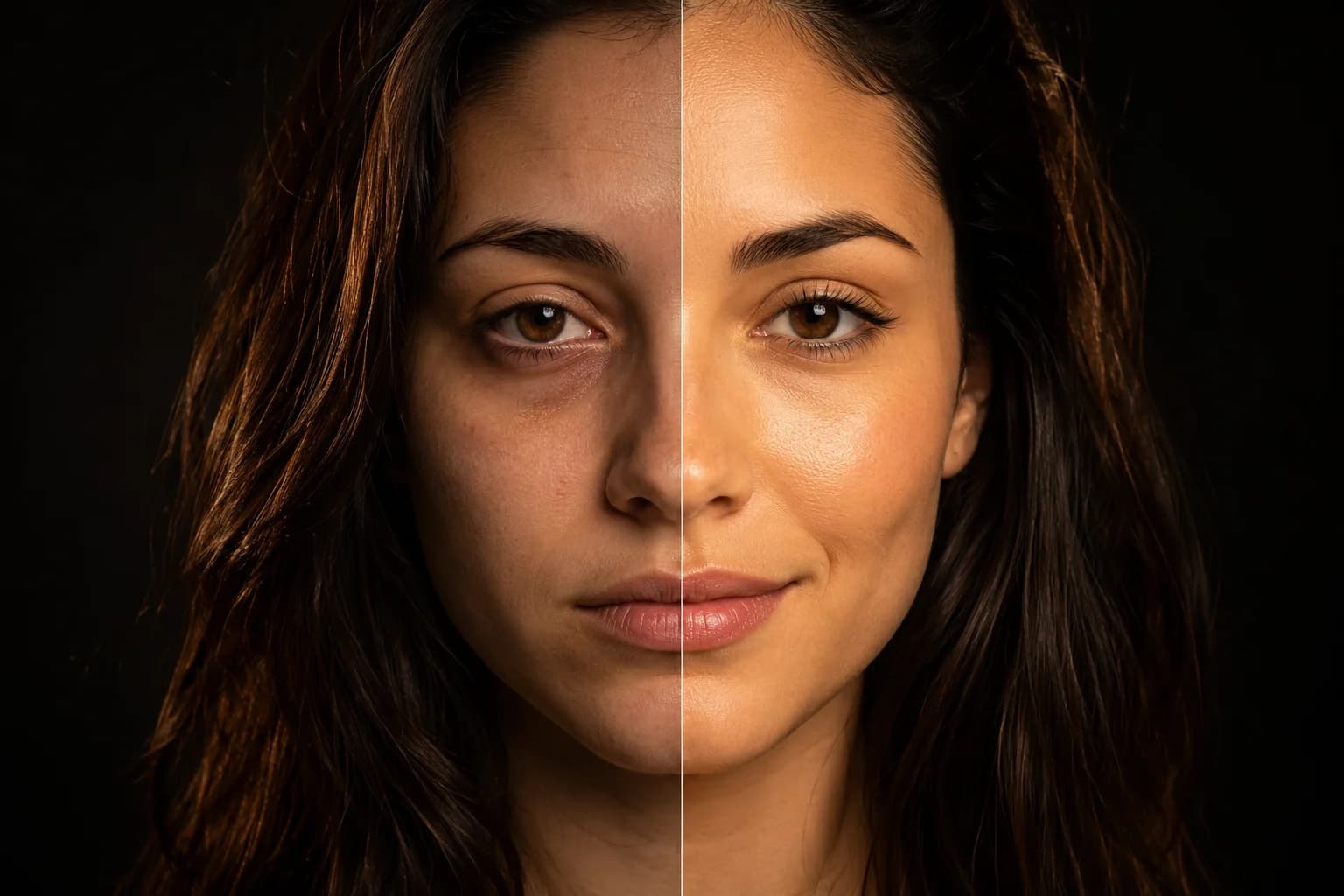
How to Glow Up: The Real Science Behind It
May 2026 · 7 min read
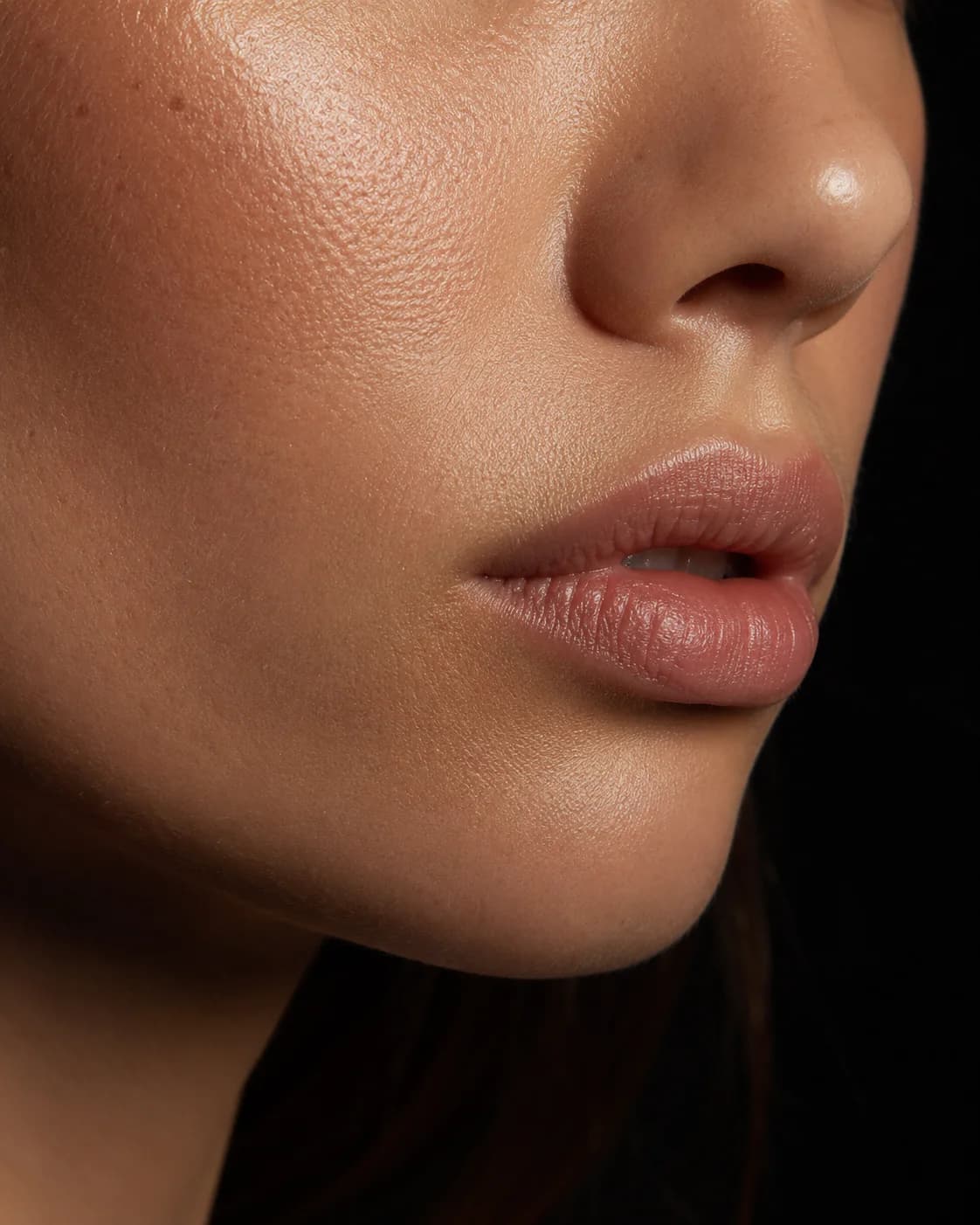
Skin Quality and Attractiveness: Why Skin Matters More Than Features
May 2026 · 7 min read
Nasolabial Folds: What Causes Smile Lines and How to Reduce Them
June 2026 · 9 min read

How to Boost Collagen in Your Face Naturally (7 Proven Methods)
June 2026 · 9 min read

How to Reduce Facial Redness: Causes, Triggers, and Natural Fixes
June 2026 · 8 min read
Facial Massage for Lifting and Glow: Benefits and Techniques
June 2026 · 8 min read