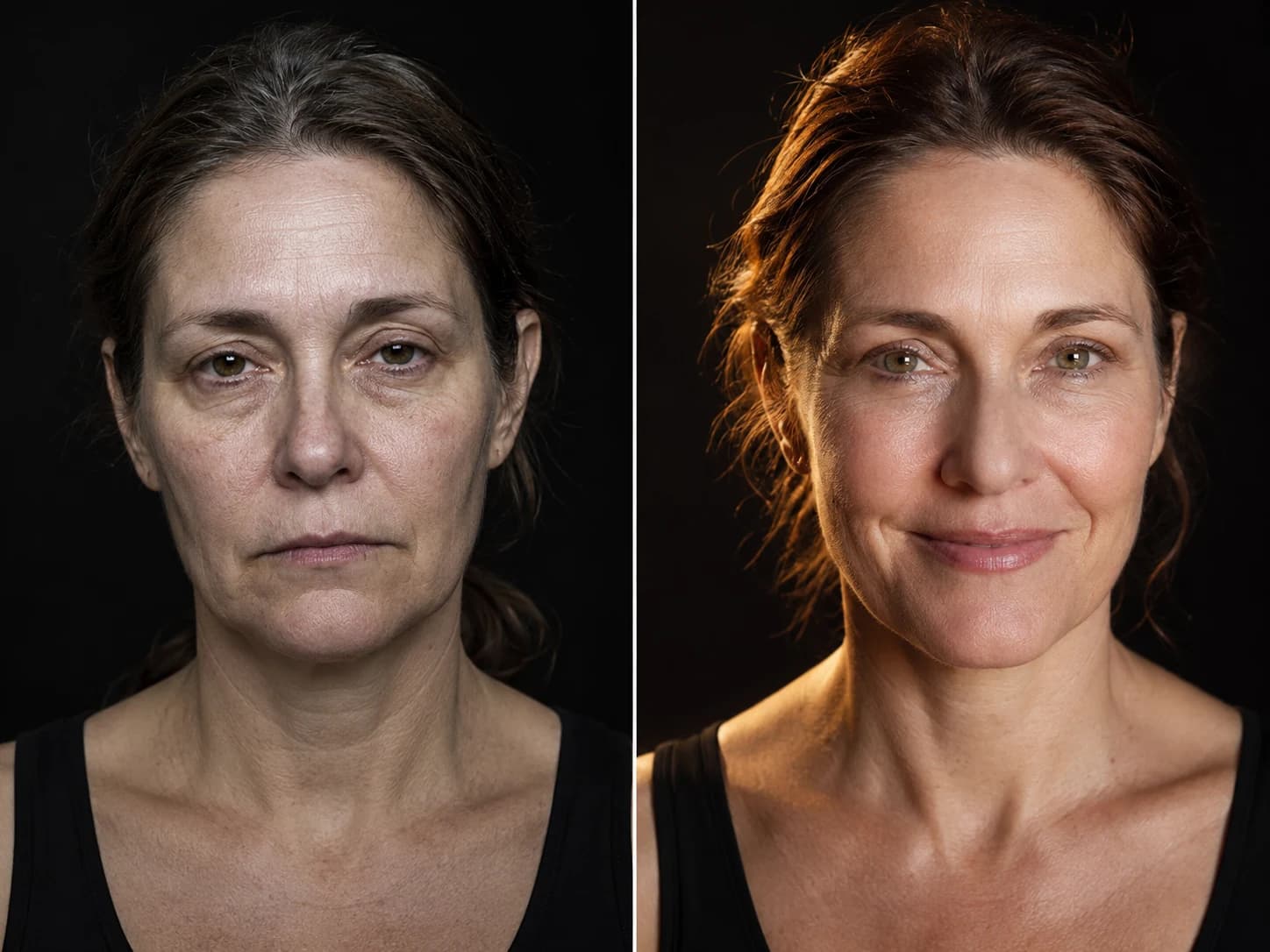
Apparent Age vs Chronological Age: What Makes a Face Look Older or Younger
Apparent age — how old your face looks to other people — is measurably different from chronological age for most individuals, and the gap can be as large as ten to fifteen years in either direction. Danish twin studies have shown that apparent age is a genuine biomarker: people who look younger than their age consistently live longer and have better health markers than those who look their age or older. This guide covers exactly what drives the apparent-vs-chronological age gap and what you can do about it.
This article is for informational and educational purposes only and does not constitute medical, dermatological, or psychological advice. Consult a qualified professional before making changes to your health or skincare routine.
Apparent Age Is Not the Same as Chronological Age
A landmark study by Christensen and colleagues following 2,800 Danish twins found that when trained nurses estimated the twins' ages from photographs, the twin who looked younger consistently had a longer subsequent lifespan — even controlling for known health factors. Apparent age, it turns out, is a readout of biological aging rate, not just genetics. Identical twins raised in different environments can look five to ten years apart in apparent age by their 60s, with the differences driven by lifestyle, sun exposure, and stress.
The face communicates age through multiple independent channels simultaneously: skin texture and evenness (primary cue), structural volume and its distribution (secondary cue), eye area brightness and openness (highly weighted), and the depth of expression lines. Observers integrate all of these cues unconsciously and produce a single age estimate. Each channel can be partially improved with targeted habits — which is why lifestyle interventions consistently produce measurable improvements in apparent age that show up in observer ratings.
AI age estimation works similarly to human judgment, but with greater consistency and less inter-rater variability. Systems like the one powering our age estimator analyse facial geometry, landmark positions, and surface texture to estimate apparent age from a photo. Unlike human raters, the AI applies the same weights to each feature on every run, so it can detect subtle improvements from habit changes that a human rater might not notice consistently.
The Eye Area: The Strongest Age Signal
Of all the facial regions, the periorbital area — the skin surrounding the eyes — is the single strongest driver of apparent age estimates in both human and AI judgment. Eye area brightness (the luminosity of the whites of the eyes and the periorbital skin) declines with age, fatigue, and poor health. Under-eye darkness and hollowing (tear trough shadows) add visible shadow that registers as aging. Eyelid ptosis (drooping upper lid) and orbital fat herniation (eye bags) both reduce the apparent openness of the eye, which is a strong age cue.
The limbal ring — the dark outline at the edge of the iris — is one of the most sensitive aging indicators in the eye area. Research by Stephan Getzmann and colleagues showed that limbal ring clarity is rated as highly youthful and attractive and declines measurably with age. It cannot be changed by makeup (though coloured contacts can simulate it), but it responds to overall health: adequate sleep, non-smoking, and lower systemic inflammation all preserve limbal ring clarity longer.
Crow's feet — the fine lines at the outer corners of the eyes — are often cited as a major aging cue, but research consistently shows that periorbital lines (crow's feet) are rated as less aging than under-eye hollowing and lid drooping. This matters practically: treatments targeting crow's feet alone produce smaller apparent age improvements than those targeting under-eye volume and eyelid openness. Prioritise the right targets.
Skin Quality and Its Impact on Apparent Age
After the eye area, skin quality is the second most powerful apparent age driver. The three skin qualities that most reduce apparent age are: even skin tone (minimal variation in pigmentation), smooth surface texture (minimal pore visibility, fine lines, and rough patches), and luminosity (the healthy radiance associated with high stratum corneum hydration and good microcirculation). All three can be improved with targeted habits — and all three degrade with sun exposure, sleep deprivation, and smoking.
Skin colour evenness — specifically the absence of discrete spots, patches, and redness — has a particularly large impact. Research by Paul Matts and colleagues showed that skin tone evenness accounted for more of the perceived age variance in female faces than any individual structural feature. A face with very even skin tone is consistently rated as younger than a face with the same structural features but uneven tone. This is partly why BB creams and skin-evening products have such outsized impact on perceived age relative to their cost.
Skin luminosity is the quality that refers to how vividly the skin appears to emit light — the opposite of dull, flat skin. It is driven by stratum corneum hydration, cutaneous blood flow, and light-scattering quality of the skin surface. Young skin has higher stratum corneum water content, more robust cutaneous microcirculation, and a smoother surface that reflects light more coherently. These all decline with age but respond well to targeted interventions: humectant moisturisers, gua sha (improves circulation), adequate sleep, and reduced alcohol intake.
Advertisement
Structural Factors: Volume, Jawline, and Posture
Facial volume distribution changes substantially with age and is a major apparent age driver. Youth is characterised by full mid-face volume (prominent cheeks), full temporal volume, and a strong jawline. With age, the malar fat pad descends (flattening the cheeks), temporal hollowing develops (creating a visible concavity at the temples), and the jawline softens as fat migrates downward and bone resorption reduces the mandibular angle. All of these changes move the face from the inverted triangle shape of youth (wide cheeks, narrow jaw) toward the more rectangular or trapezoidal shape associated with age.
Jawline definition is an underappreciated apparent age cue. A defined jawline — clearly distinguishable from the neck with a sharp mandibular angle — is strongly associated with youth and perceived health. As facial fat descends and submandibular fat accumulates, the jaw-neck boundary blurs, and the face reads as older. Exercises, posture correction, and body composition changes can all contribute modestly to restoring jawline definition, and the apparent age improvement is meaningful.
Posture affects apparent age through its effect on the neck-to-face relationship. Forward head posture — common in people who spend long hours looking at screens — creates a shortening and widening of the neck-jaw profile that reads as aging. Sitting or standing upright with the head level elongates the neck, sharpens the jawline angle, and changes the entire lower-face apparent age reading. In photographs, good posture can change the apparent age estimate by two to four years independently of any facial feature change.
The Lifestyle Habits That Most Shift Apparent Age
Sleep is the single lifestyle variable with the most immediate and dramatic effect on apparent age. Research consistently shows that sleep-deprived faces are rated significantly older — by two to four years — than the same faces after adequate rest. The mechanisms are comprehensive: poor sleep degrades skin luminosity, increases periorbital puffiness and darkness, reduces eye openness, and increases inflammatory skin redness. Conversely, consistently adequate sleep is one of the most powerful and free interventions for looking younger.
SPF 50+ daily is the single intervention with the largest long-term apparent age benefit. Because UV exposure is responsible for approximately 80% of visible facial aging, consistent sun protection from early adulthood produces dramatically younger-appearing faces at 40, 50, and 60. Twin studies comparing sun-protected and sun-exposed twins show age differences of five to ten years in apparent age by midlife, driven almost entirely by UV-induced collagen degradation and pigmentation changes.
Smoking cessation produces the most dramatic rapid improvement in apparent age of any lifestyle change. Within weeks of stopping, skin colour improves as microcirculation recovers. Within months, the fine lip lines, hollowed cheeks, and grey-yellow skin tone associated with smoking visibly improve. Long-term, ex-smokers consistently score younger in apparent age assessments than current smokers of the same age — the difference compounds annually as collagen degradation from tobacco exposure slows.
Frequently Asked Questions
How can I tell how old I look?
The most objective way is to use an AI age estimator — our tool uses facial geometry and surface texture analysis across 478 landmarks to estimate your apparent age from a photo. Human observers also provide a reliable signal: asking friends to guess your age without context gives a useful real-world baseline. The difference between that estimate and your actual age is your apparent age gap.
What makes a face look older than it is?
The main factors are: under-eye hollowing and darkness (tear trough shadows), loss of mid-face volume (flattened cheeks), uneven skin tone and surface texture irregularity, reduced eye openness from lid drooping or puffiness, softened jawline, and chronic skin dehydration reducing luminosity. Sun damage and smoking accelerate all of these significantly.
What makes a face look younger than its age?
The strongest youth signals are: bright, open eyes with visible limbal rings, even and luminous skin tone, full mid-face volume (prominent cheeks), a defined jawline, and minimal structural descent in the face overall. Adequate sleep, daily SPF, non-smoking, and maintained healthy body weight are the lifestyle factors most consistently associated with looking younger than chronological age.
Can you change how old you look?
Yes, significantly. Apparent age responds to lifestyle changes: adequate sleep reduces apparent age by two to four years in research studies. Consistent SPF use prevents the UV-driven aging that accounts for 80% of visible skin aging. Retinoid use stimulates collagen synthesis. These are not superficial fixes — they address the actual biological processes that drive apparent age.
Is apparent age a health marker?
Yes — research from Danish twin studies shows that people who look younger than their age consistently live longer and have better health outcomes. Apparent age is a readout of biological aging rate, reflecting cumulative oxidative stress, inflammation, and cellular repair efficiency. Looking younger is not just cosmetically desirable — it correlates with genuinely better health.
Lena Whitmore
Science Writer · Facial Analysis & Appearance Psychology
Lena covers the science of smiles, facial aging, and AI-powered biometrics. She writes evidence-based guides grounded in peer-reviewed research, with a focus on making appearance science accessible and actionable. All tools on Smile Tracker run locally in your browser — your photo is never uploaded anywhere.
Put it to the test
See your results with AI
Upload a photo and get your AI-estimated apparent age and Youthful Energy Score — free, private, instant.
Try Guess My Age Free →Advertisement
Sources
Related reading
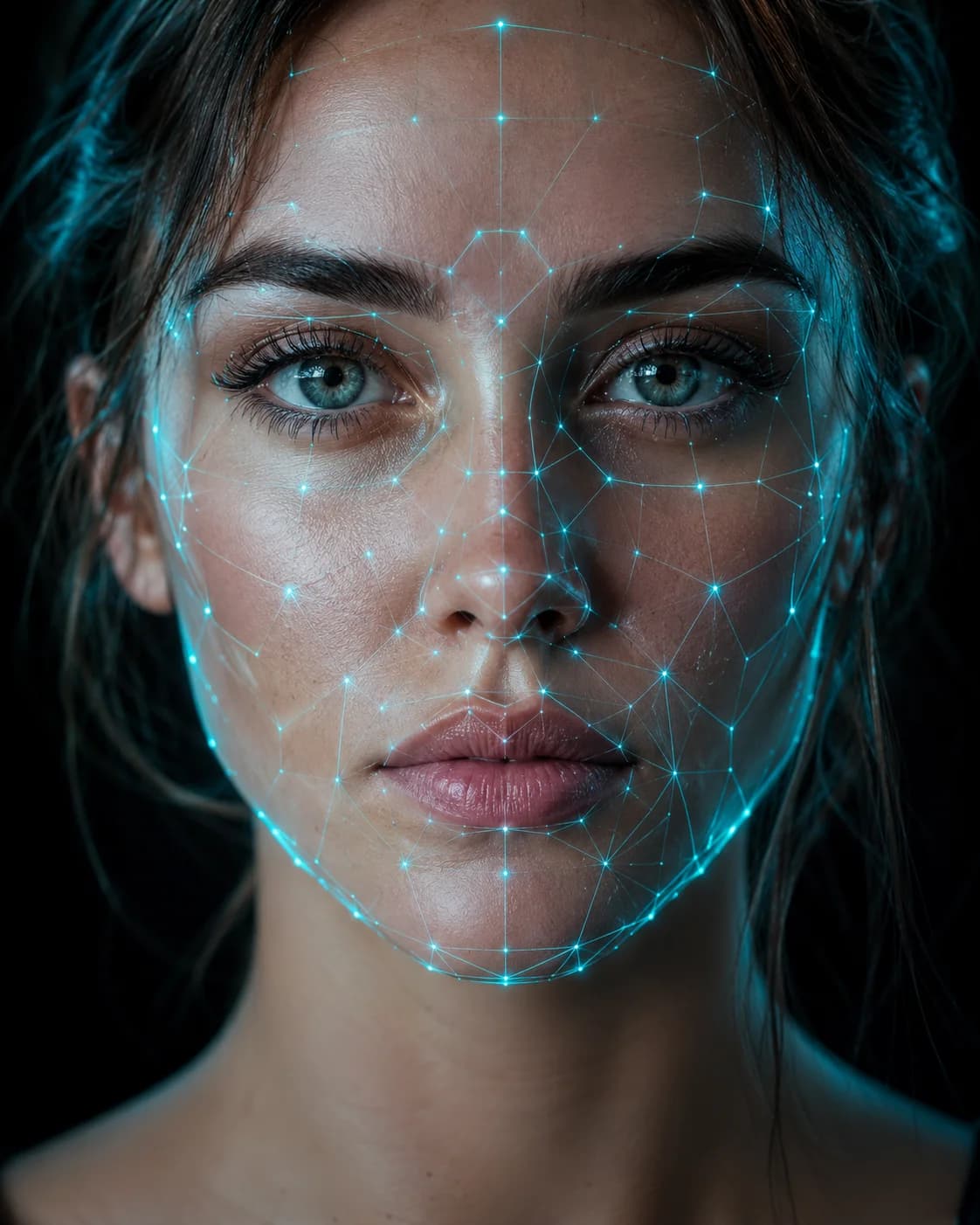
How AI Age Estimation Works: The Science Behind Photo-Based Apparent Age
May 2026 · 6 min read
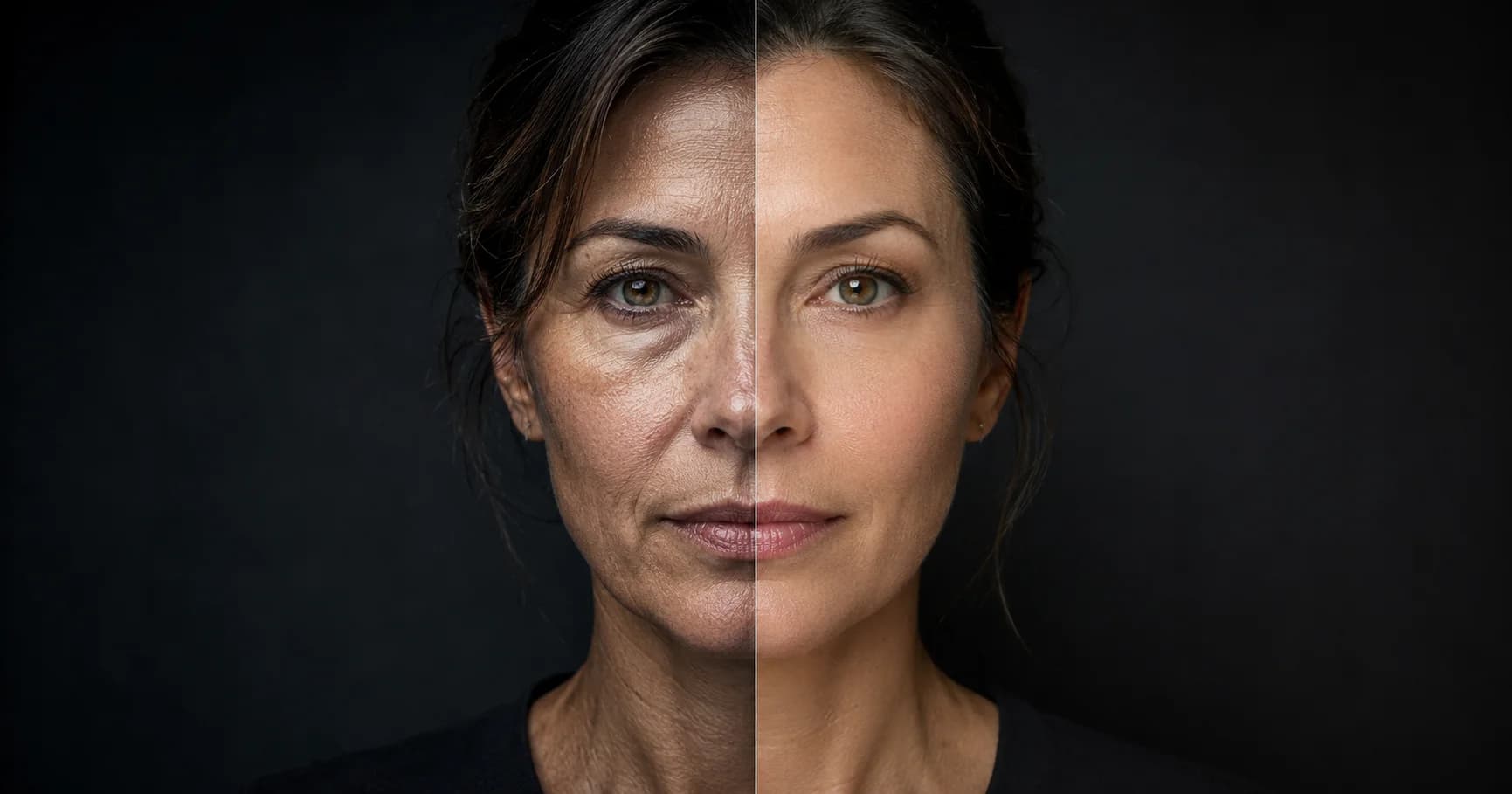
Why Do I Look Older Than My Age? The Science Behind Perceived Age
May 2026 · 7 min read
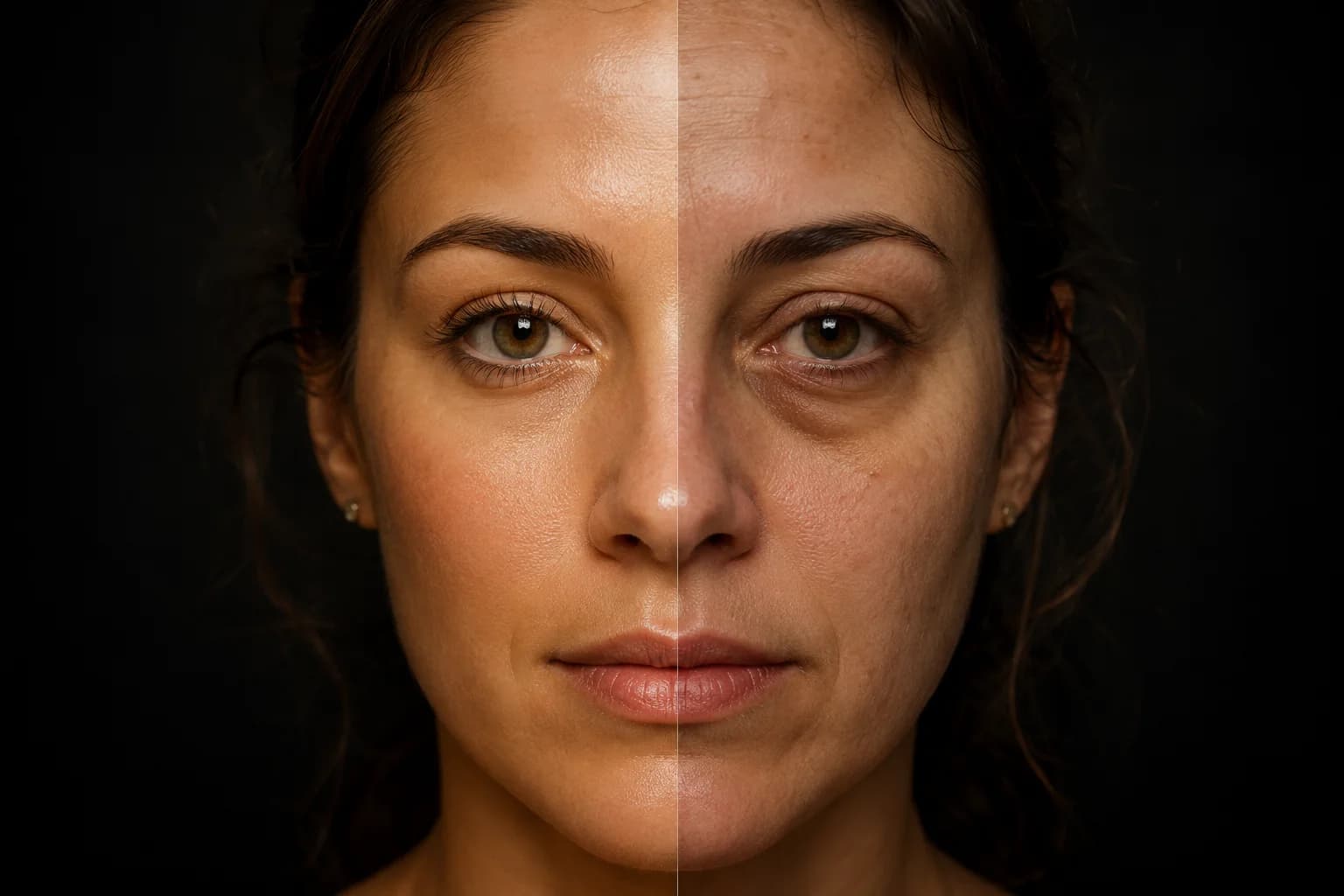
How Lack of Sleep Ages Your Face (And How Quickly It Happens)
May 2026 · 7 min read
What Causes Eye Bags and How Do They Make You Look Older?
May 2026 · 6 min read
Are Dark Circles Genetic? What Science Says
May 2026 · 6 min read
How to Look Younger: 8 Science-Backed Changes That Actually Work
May 2026 · 8 min read
Facial Volume Loss: How Hollow Cheeks and Fat Redistribution Age Your Face
June 1, 2026 · 7 min read