
How to Reduce Facial Redness: Causes, Triggers, and Natural Fixes
How to reduce facial redness depends entirely on its cause — and facial redness has six distinct causes, each requiring a different approach. Treating rosacea with the same tactics as barrier-damaged redness will make both worse. The first step is an accurate diagnosis of mechanism: persistent background redness, reactional flushing, visible broken capillaries, and dry-skin redness all have different drivers and therefore different solutions. Getting this right is the difference between a skincare routine that clears redness in weeks and one that chronically fails despite consistent effort.
This article is for informational and educational purposes only and does not constitute medical, dermatological, or psychological advice. Consult a qualified professional before making changes to your health or skincare routine.
The 6 Most Common Causes of Facial Redness
Rosacea is a chronic inflammatory skin condition affecting the central face — nose, cheeks, forehead, and chin — characterised by background redness, visible blood vessels (telangiectasias), and often a tendency to flush acutely with heat, alcohol, or spicy food. It affects approximately 10% of the global population and is more common in fair-skinned women aged 30–60. The precise cause is multifactorial: vascular hyperreactivity, Demodex mite colonisation, and dysregulated innate immune responses all contribute. Rosacea requires a distinct, targeted approach — standard skincare aimed at brightening or exfoliating typically flares it.
Barrier-damaged redness is caused by disruption to the skin's protective lipid barrier, which allows irritants, allergens, and pathogens to penetrate the skin and trigger local inflammatory responses. Over-exfoliation, harsh cleansers, overuse of active ingredients, and environmental exposure (cold, wind, low humidity) all damage the barrier. This type of redness is typically accompanied by stinging, tightness, and sensitivity to products that previously caused no reaction. The fix is purely barrier restoration — reducing actives and loading ceramides and fatty acids.
Broken capillaries (telangiectasias) produce a fixed, non-flushing redness in the form of visible red or purple thread-like vessels under the skin surface, most often across the nose and cheeks. Unlike rosacea redness which is diffuse, capillary redness has visible structure. Causes include chronic sun exposure, temperature extremes (including hot showers), high alcohol consumption, and genetic predisposition. Topicals cannot eliminate broken capillaries — they require laser or IPL treatment to seal the vessel. However, topicals can reduce the surrounding inflammation that makes them more visible.
| Type | Key Signs | Primary Fix | Avoid |
|---|---|---|---|
| Rosacea | Persistent central redness, flushing, visible vessels | Azelaic acid, niacinamide, dermatologist Rx | Hot water, alcohol, retinoids (initially) |
| Barrier damage | Stinging, tightness, widespread sensitivity | Ceramides, gentle cleanser, no actives | AHAs, BHAs, fragrance |
| Broken capillaries | Fixed, thread-like vessels on cheeks/nose | Laser/IPL for vessel closure | Heat, alcohol, aggressive exfoliation |
| Acne-related | Red spots, pustules, inflamed blemishes | Benzoyl peroxide, salicylic acid | Picking, harsh scrubs |
| Seborrhoeic dermatitis | Flaky redness around nose, brows, hairline | Antifungal agents (ketoconazole) | Heavy emollients |
| UV flush/sunburn | Acute redness after sun exposure | Cold compress, aloe, SPF prevention | Heat, more sun |
Best Ingredients for Reducing Facial Redness
Niacinamide (vitamin B3) at 5–10% is the single most versatile topical ingredient for facial redness. It reduces the production of inflammatory cytokines, strengthens the skin barrier by upregulating ceramide synthesis, and constricts superficial vasodilation. Multiple clinical trials demonstrate meaningful reduction in facial redness and sensitivity with consistent niacinamide use over 4–8 weeks. It is well tolerated by rosacea, barrier-damaged, and acne-related redness — making it the safest starting point when the cause is not clearly established.
Azelaic acid (10–20%) is particularly effective for rosacea-related redness. It has anti-inflammatory, antiparasitic (reducing Demodex mite load), and mild keratolytic properties. Prescription-strength formulations (15–20%) are approved for rosacea treatment and reduce both background redness and inflammatory papules. At 10% (available OTC), it still provides meaningful anti-inflammatory benefit with less irritation potential. Unlike most actives, azelaic acid is safe during pregnancy, making it particularly useful for rosacea during pregnancy when other options are restricted.
Green tea extract (EGCG) and centella asiatica (cica) are plant-derived anti-inflammatories with growing evidence for redness reduction. Green tea EGCG inhibits MMP enzyme activity and reduces UV-triggered inflammation in the skin. Centella asiatica has traditionally been used for wound healing and skin repair; more recent evidence demonstrates its ability to support barrier function and reduce inflammatory redness. Both are gentle enough for daily use and are particularly suitable for reactive, barrier-compromised skin that cannot tolerate more potent actives.
Patch-test new products on the inner arm for 48 hours before applying to the face — reactive skin will often show a response on the arm that would be much worse on the more sensitive facial skin.
Lifestyle Triggers That Drive Facial Redness
Heat is the most universally relevant trigger for facial redness — hot showers, saunas, hot drinks, and exercise-induced core temperature increases all cause vasodilation of facial blood vessels, producing flushing. For rosacea, this transient flushing repeatedly traumatises the vessel walls over time, contributing to the development of permanent telangiectasias. Switching to lukewarm (not hot) water for face washing and showering is one of the most impactful free interventions for redness-prone skin.
Alcohol — particularly red wine — is a potent redness trigger. Histamine in red wine, combined with alcohol's vasodilatory effect, produces acute facial flushing that is particularly pronounced in people with rosacea or any vascular reactivity. For those with significant redness concerns, reducing alcohol consumption (particularly fermented and dark spirits) produces a meaningfully quicker reduction in baseline redness than any topical intervention. Staying hydrated between drinks slows alcohol absorption and reduces peak blood alcohol, mitigating but not eliminating the effect.
Sun exposure is both an acute trigger (UV-induced inflammation) and a chronic driver (cumulative vessel damage and collagen loss that makes underlying redness more visible). Daily broad-spectrum SPF is the single most important preventive measure for any type of facial redness. Mineral sunscreens with zinc oxide or titanium dioxide are preferable to chemical sunscreens for rosacea and reactive skin, as they sit on the skin surface without chemical penetration that can trigger further sensitivity responses.
Advertisement
Building a Redness-Reducing Skincare Routine
For any type of facial redness, the foundation is a stripped-back routine that minimises the number of potential irritants while delivering the most evidence-based actives. Start with a gentle, fragrance-free, pH-balanced cleanser — ideally a cream or gel cleanser that rinses clean without stripping. Avoid cleansing brushes and physical exfoliants, which mechanically disrupt both the barrier and surface vessels. Twice daily with water temperature kept cool to lukewarm.
Apply niacinamide serum to the full face morning and evening as a baseline anti-inflammatory. Add a ceramide-rich moisturiser to maintain barrier function — look for formulations containing ceramides NP, EOP, and AP alongside fatty acids and cholesterol, which replicate the natural skin barrier lipid ratio. For rosacea specifically, add azelaic acid in the evening slot, applied after the niacinamide serum. Introduce this gradually (every other night) to avoid initial irritation as the skin adjusts.
Morning sunscreen is non-negotiable for all redness types. Choose a mineral formula (zinc oxide ≥10%) for reactive or rosacea-affected skin. Avoid fragrance, alcohol, and essential oils in all products across the routine. Keep the total number of products low — four to five products maximum — to reduce the cumulative irritation potential from ingredient interactions. Introduce new products one at a time, two weeks apart, so any reaction can be attributed to a specific product.
How Facial Redness Affects Your Face Rating and Attractiveness
Facial redness significantly affects perceived attractiveness and health. Research on facial health cues shows that even, consistent skin color is a primary signal of physiological health — observers rate faces with uniform skin tone as younger and more attractive than faces with visible redness or color variation, even when all other features are identical. This is why skin color homogeneity (which includes redness-free skin) is one of the most rapidly detected attractiveness cues, processed within the first 50 milliseconds of face observation.
Redness also affects colour perception of adjacent features: redness around the eyes makes dark circles look darker; redness on the cheeks can make the nose appear more prominent; diffuse redness flattens the three-dimensional appearance of the face by reducing the contrast between highlight and shadow areas. Reducing facial redness therefore has a compounding positive effect on overall facial appearance beyond the specific redness-free benefit.
Use our AI face rater at /rate-my-face to assess how skin quality — including redness, texture, and tone evenness — is currently affecting your overall attractiveness score. The tool evaluates skin appearance as part of its comprehensive facial analysis, giving you a clear signal of whether skin quality or structural features are your most impactful area for improvement.
Frequently Asked Questions
What causes constant facial redness?
Persistent facial redness is most commonly caused by rosacea (a chronic vascular inflammatory condition), barrier-damaged skin (from overuse of actives or harsh products), broken capillaries (from UV damage and heat), or seborrhoeic dermatitis. Each has a distinct cause and different treatment. Consulting a dermatologist for a definitive diagnosis before treating is the most efficient path.
Can niacinamide reduce facial redness?
Yes — niacinamide at 5–10% concentration is one of the most evidence-backed ingredients for facial redness. It reduces inflammatory cytokine production, strengthens the skin barrier, and has a mild vasoconstrictive effect. Improvements are typically visible after 4–8 weeks of twice-daily use. It is safe for all redness types including rosacea.
How do I get rid of facial redness fast?
For immediate reduction: apply a cold compress for 5–10 minutes to constrict blood vessels. A green tea bag cooled in the fridge and applied to the face has a similar vasoconstrictive effect. Colour-correcting primer in peach or green tones neutralises redness under makeup. These are temporary fixes — addressing the underlying cause requires consistent use of the appropriate topical ingredients over weeks to months.
Is facial redness rosacea?
Not necessarily. Facial redness has multiple causes including barrier damage, broken capillaries, seborrhoeic dermatitis, sun damage, and acne-related inflammation. Rosacea is a specific chronic condition characterised by central facial redness, flushing triggers, visible vessels, and sometimes inflammatory bumps. Rosacea is diagnosed by a dermatologist — self-diagnosis and self-treating as rosacea when the cause is different often worsens the condition.
Does ice help facial redness?
Cold reduces facial redness by causing vasoconstriction — narrowing of surface blood vessels. This produces temporary relief from acute flushing or redness. Applying ice wrapped in a cloth (never directly to the skin, which risks ice burn) for a few minutes can meaningfully reduce transient redness. It does not address the underlying cause and the effect typically lasts 30–60 minutes, but it is a useful quick fix before events or photos.
Lena Whitmore
Science Writer · Facial Analysis & Appearance Psychology
Lena covers the science of smiles, facial aging, and AI-powered biometrics. She writes evidence-based guides grounded in peer-reviewed research, with a focus on making appearance science accessible and actionable. All tools on Smile Tracker run locally in your browser — your photo is never uploaded anywhere.
Put it to the test
See your results with AI
Upload a photo and get your AI facial proportion analysis, symmetry measurement, and feature breakdown — free, private, instant.
Analyse My Face Free →Advertisement
Sources
Related reading
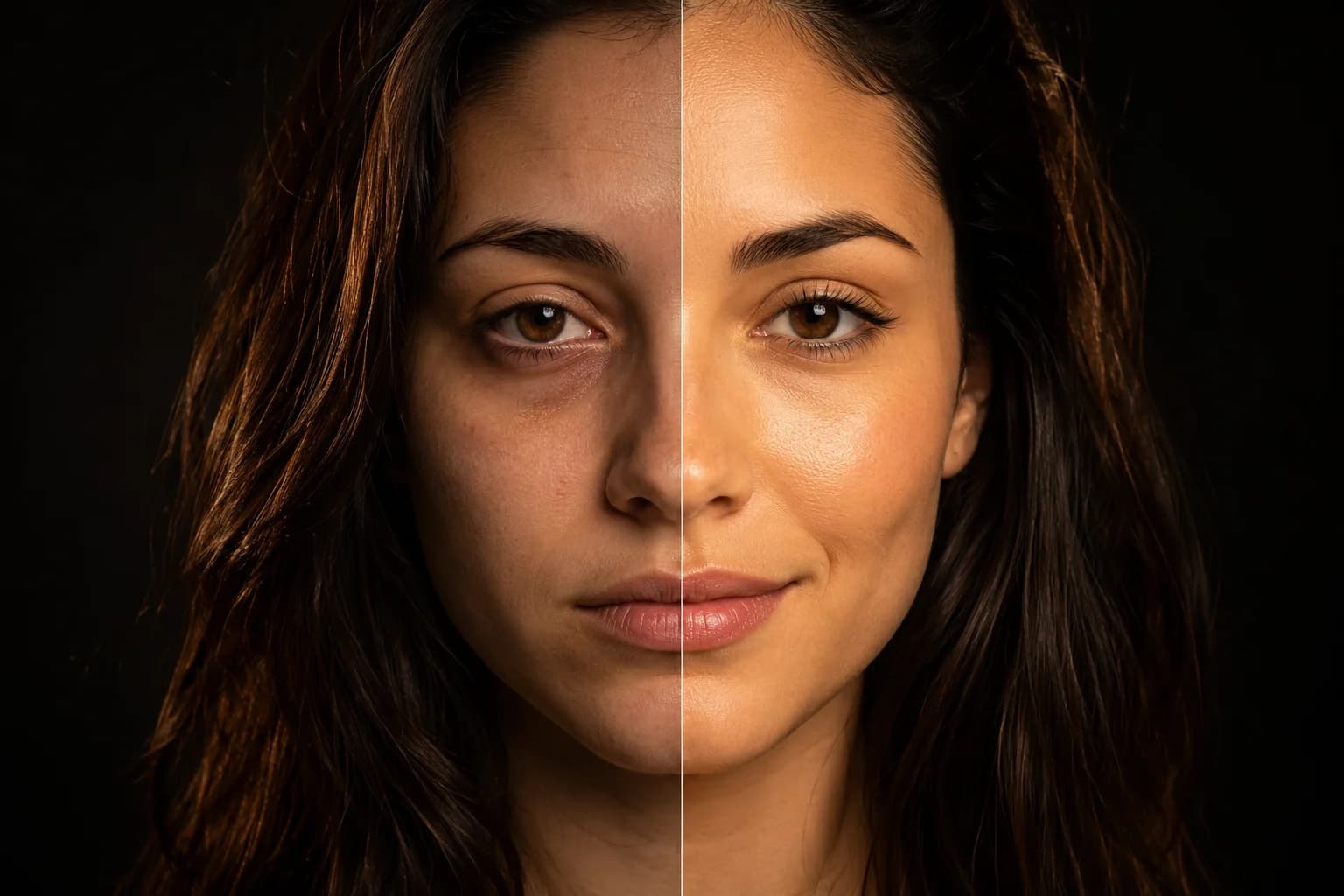
How to Glow Up: The Real Science Behind It
May 2026 · 7 min read
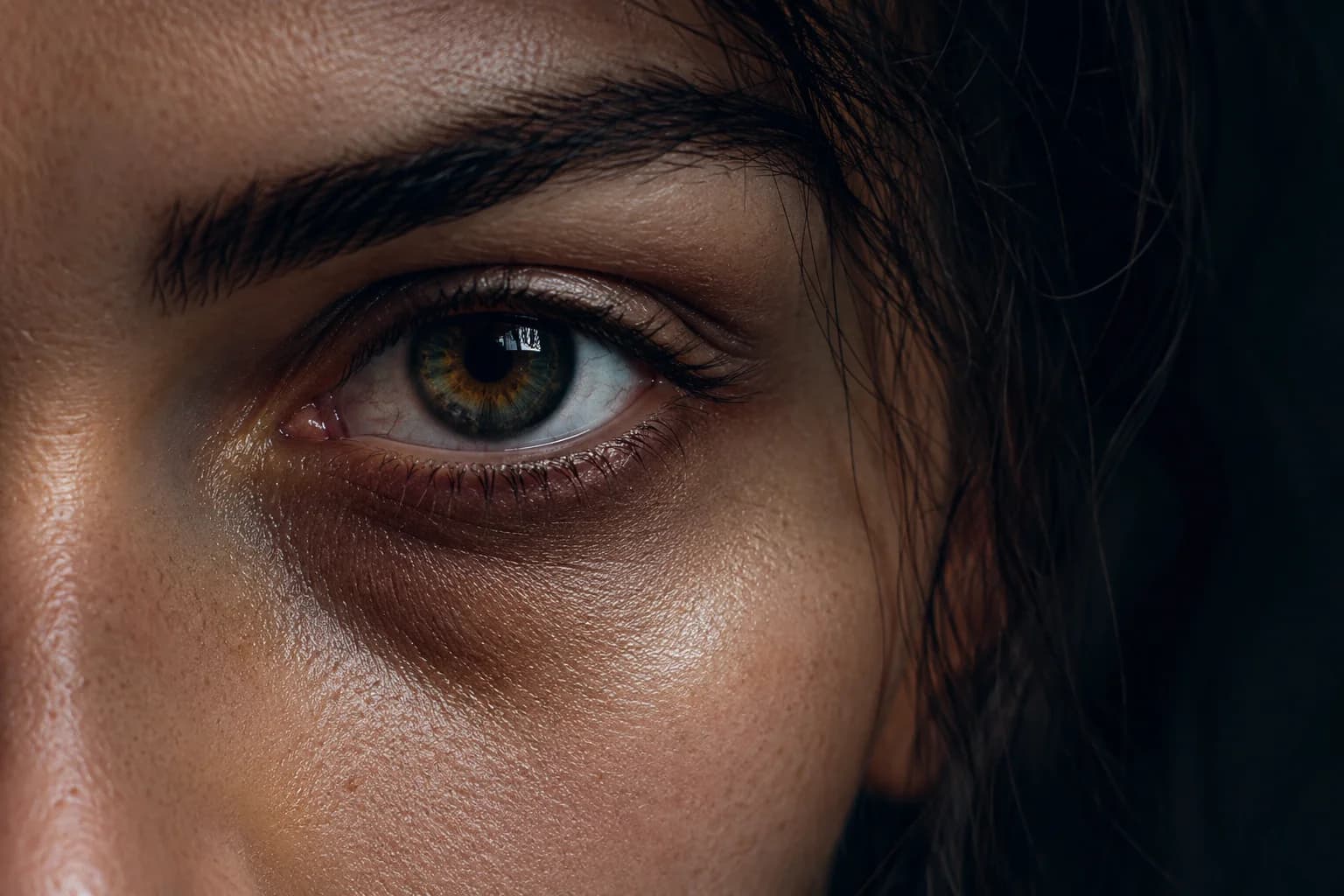
Are Dark Circles Genetic? What Science Says
May 2026 · 6 min read
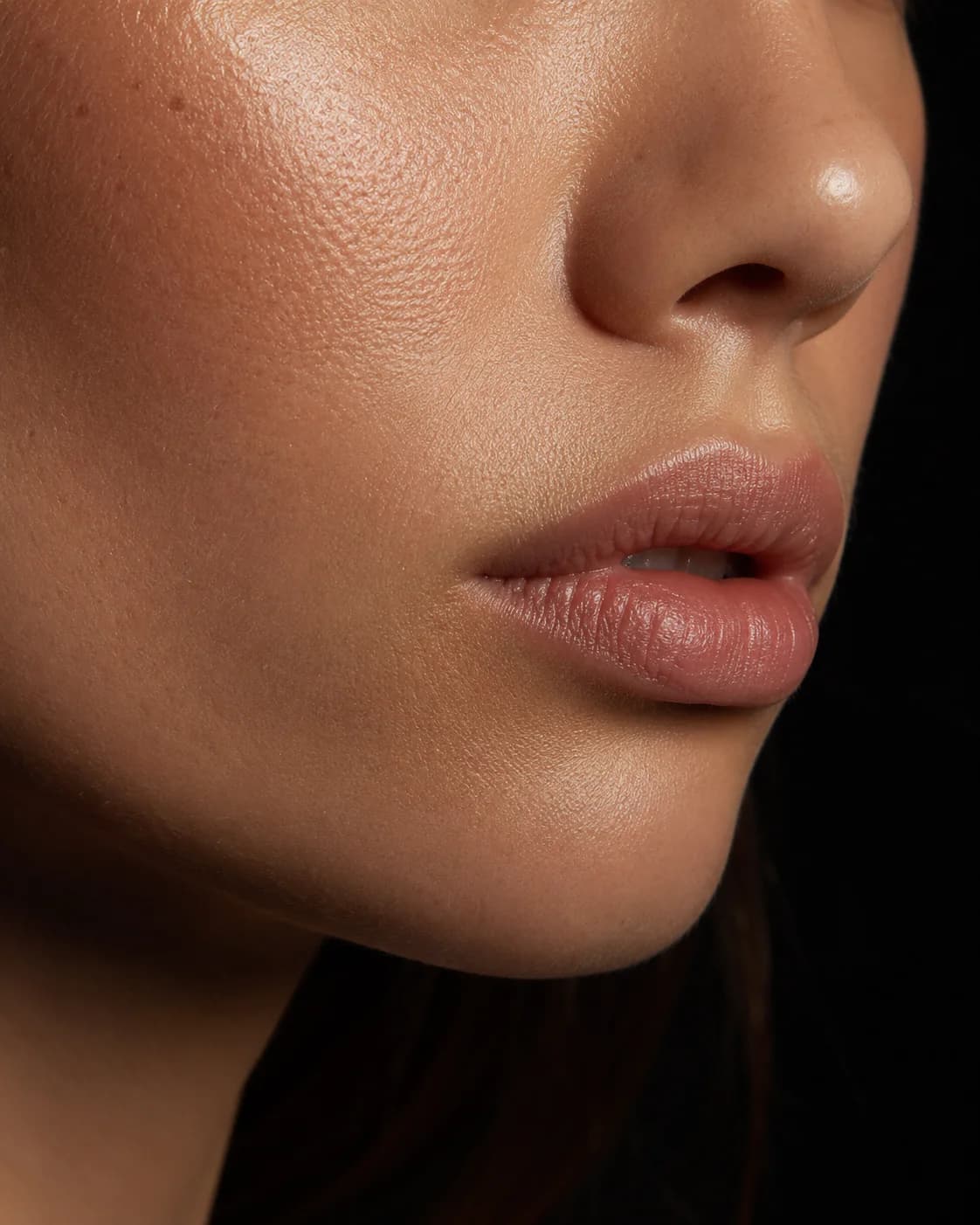
Skin Quality and Attractiveness: Why Skin Matters More Than Features
May 2026 · 7 min read
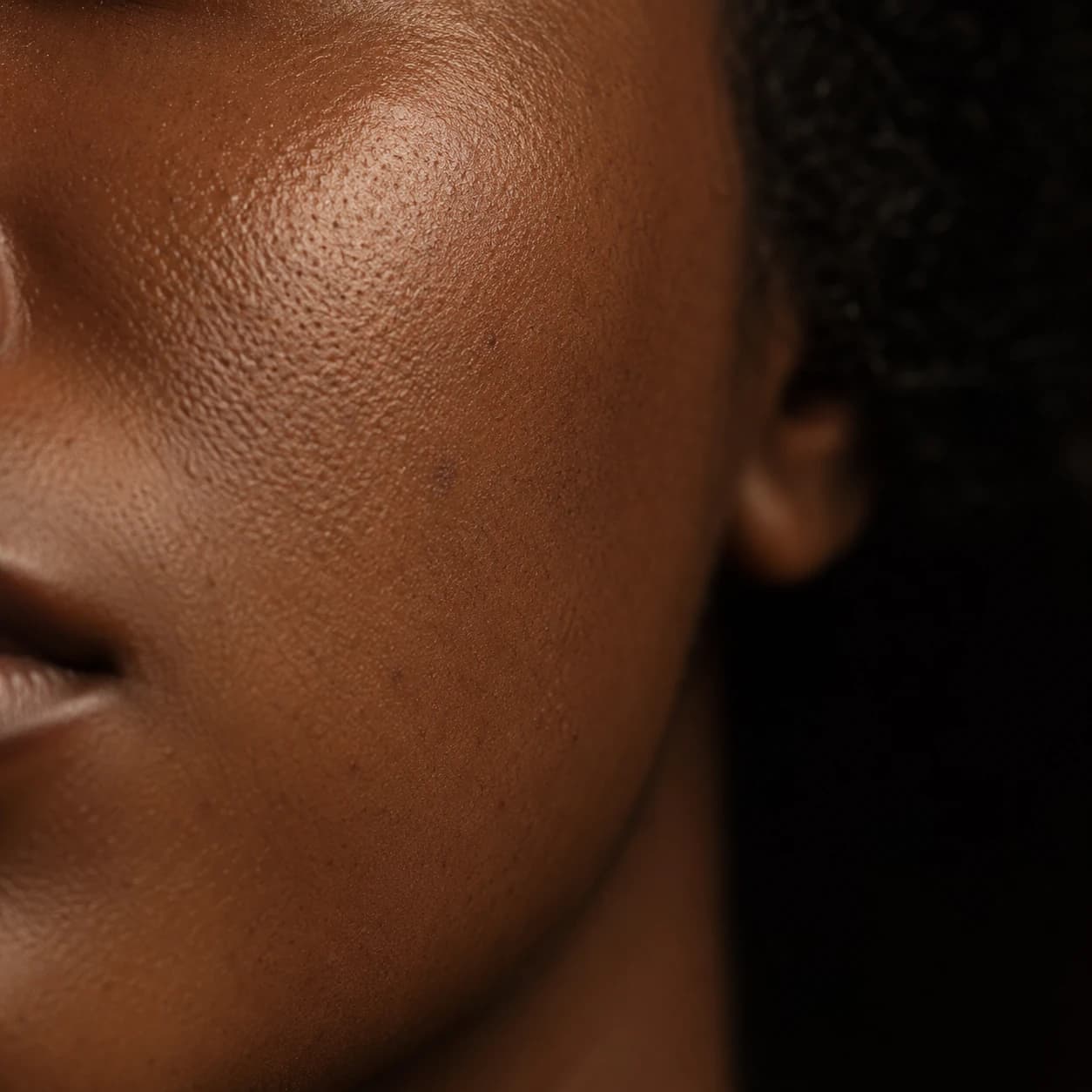
How to Improve Skin Texture: The Science-Backed Guide
June 2026 · 9 min read

How to Boost Collagen in Your Face Naturally (7 Proven Methods)
June 2026 · 9 min read

Facial Massage for Lifting and Glow: Benefits and Techniques
June 2026 · 8 min read